
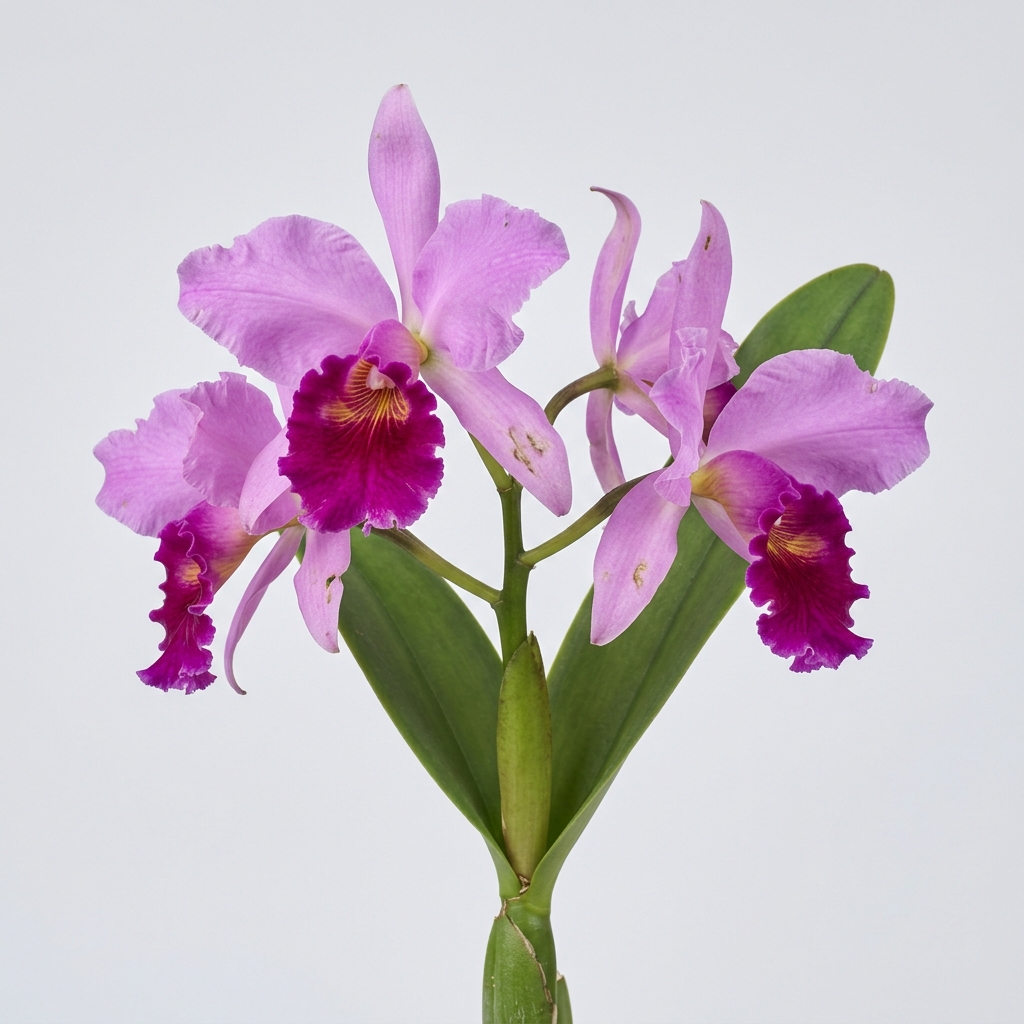
Cattleya labiata, commonly known as the crimson Cattleya or ruby-lipped Cattleya, is a cornerstone species in the orchid world. Highly prized by collectors and growers alike, this epiphytic orchid is celebrated for its large, showy blooms and robust growth habit. As the type species for the Cattleya genus, it has played a monumental role in orchid hybridization, bringing classic elegance and vibrant color to collections worldwide.
Cultivating this iconic orchid requires an understanding of its seasonal rhythms and environmental preferences. With its pseudobulbs producing striking, leathery leaves and magnificent autumn blooms, Cattleya labiata rewards attentive growers with a spectacular display of color and fragrance. Whether grown in a dedicated greenhouse or on a bright windowsill, this species remains a benchmark of orchid beauty.
💡 Did You Know?
Cattleya labiata is often called the lost orchid. After its initial introduction to Europe in 1818, its exact wild habitat in Brazil was lost to botanical collectors for over seventy years before being rediscovered in 1889. This dramatic disappearance and subsequent rediscovery fueled a massive orchid craze across Victorian Europe.
🌿 Botanical Overview
Cattleya labiata is native to northeastern Brazil, where it grows as an epiphyte on trees or occasionally as a lithophyte on rocks. It features club-shaped, slightly compressed pseudobulbs that can reach up to twelve inches in height, each topped with a single, thick, leathery leaf. This vegetative structure is designed to store water and nutrients, helping the plant survive dry spells in its natural habitat.
The growth cycle of this species is highly seasonal. New pseudobulbs emerge in the spring and mature throughout the summer, culminating in the formation of a double sheath from which the flower buds develop. Understanding this growth pattern is essential for timing watering, feeding, and repotting activities to align with the plant’s natural active and dormant phases.
🌸 Flower Characteristics
The blossoms of Cattleya labiata are legendary for their size and dramatic presentation, often measuring five to seven inches across. A single flower spike can produce two to five blooms, which are held elegantly above the foliage. The petals and sepals typically exhibit shades of lavender, rose, or pale pink, though rare color forms ranging from pure white (alba) to blue-toned (coerulea) are highly sought after by collectors.
The defining feature of the bloom is its large, trilobed lip, or labellum. The lip is deeply colored, often featuring a rich magenta or ruby-red midlobe with a yellow or white throat adorned with darker veins. This contrasting coloration serves as a visual guide for pollinators in the wild and creates a striking focal point for growers.
Fragrance & Bloom Profile
Cattleya labiata is renowned for its intense, sweet, and complex floral fragrance. The scent is most pronounced during the morning hours when temperatures begin to rise, filling the growing space with a classic orchid perfume. The blooms are relatively long-lasting for a Cattleya species, typically remaining fresh and vibrant for three to four weeks if kept in cool, stable conditions.
Parentage & Hybrid Lineage
As a naturally occurring species rather than a man-made hybrid, Cattleya labiata does not have a hybrid parentage. However, its historical significance in breeding is unparalleled. It is a primary ancestor of thousands of modern Cattleya hybrids, valued for contributing large flower size, rich lip coloration, and a reliable autumn blooming schedule. While its exact wild origins are documented in historical botanical literature, modern cultivated specimens are typically propagated through seed or tissue culture to preserve desirable color forms.
🌱 Growing Conditions
To thrive, Cattleya labiata requires bright, indirect light. Inadequate light is the most common reason for a failure to bloom; healthy leaves should be a light, grassy green rather than a dark forest green. It prefers intermediate to warm temperatures, ideally ranging from 70°F to 85°F during the day and dropping to 60°F to 65°F at night. High humidity levels of 50% to 80% are ideal, accompanied by strong, continuous air movement to prevent fungal pathogens from settling on the foliage.
💡 Care Tip
Provide strong, continuous air movement around your Cattleya labiata to prevent moisture from pooling on the leaves. Good ventilation is critical in high- environments, as it helps ward off fungal infections and ensures the potting medium dries out efficiently between waterings.
Watering, Feeding & Potting Media
During the active spring and summer growth phases, Cattleya labiata should be watered thoroughly and then allowed to dry out almost completely before the next application. A coarse, fast-draining potting medium, such as medium-to-large fir bark mixed with charcoal and perlite, is essential to prevent root rot. Feed the plant weekly with a balanced orchid fertilizer diluted to quarter or half strength, flushing the pot with pure water once a month to remove accumulated salts.
Blooming Season & Care Notes
This species is a classic autumn bloomer, with flowers emerging as day lengths shorten in the fall. Once the flower sheath appears at the apex of the mature pseudobulb, maintain stable environmental conditions and avoid moving the plant to prevent bud blast. After blooming completes, the orchid enters a semi-dormant winter rest period. During this time, reduce watering and suspend fertilizing until new root and shoot growth emerges in the spring. Repotting should only be performed when new roots begin to push from the base of the newest pseudobulb.
⚠️ Common Issues
⚠️ Common Mistake
Avoid keeping the potting medium constantly wet. Cattleya roots require a distinct wet-dry cycle to remain healthy. Keeping the medium waterlogged or using fine, compacted soil will quickly suffocate the roots, leading to root rot, dehydration, and the eventual decline of the entire plant.
- Root rot caused by overwatering or compacted, decomposing potting media.
- Bud blast, where developing buds yellow and drop, often triggered by sudden changes in temperature or humidity.
- Scale insects and mealybugs hiding under the dry sheaths of the pseudobulbs.
- Leaf scorching or sunburn from direct, unfiltered midday sunlight.
- Dehydration indicated by shriveled pseudobulbs and wrinkled leaves, usually due to a compromised root system.
❓ Frequently Asked Questions
How do I get my Cattleya labiata to rebloom?
To encourage reblooming, ensure the plant receives bright, indirect light throughout the growing season and a distinct drop in night temperatures during the late summer. Additionally, respect the natural shortening of day lengths in autumn, as artificial night lighting can disrupt the plant’s blooming cycle.
Why are the pseudobulbs on my orchid shriveling?
Shriveled pseudobulbs indicate dehydration, which can be caused by underwatering or, paradoxically, by overwatering. Overwatering rots the root system, leaving the orchid unable to absorb moisture. Inspect the roots; if they are mushy and brown, repot the plant in fresh media and reduce watering.
When is the best time to repot Cattleya labiata?
The ideal time to repot is in the spring, just as new root growth begins to emerge from the base of the newest pseudobulb. Avoid repotting while the plant is in spike or during its winter rest period, as this can severely stress the orchid.
Can Cattleya labiata be grown under LED lights?
Yes, this orchid can be grown successfully under high-output LED grow lights. Ensure the lights are positioned close enough to provide adequate intensity (aiming for bright, indirect levels) and maintain a consistent photoperiod that mimics natural seasonal changes.
⭐ Final Growing Notes
Cattleya labiata remains a timeless favorite for a reason, offering a rewarding combination of historical significance, magnificent autumn blooms, and a captivating fragrance. By mimicking its natural seasonal cycle of wet summer growth and drier winter rest, growers of all experience levels can enjoy the majestic beauty of this legendary orchid species for decades.
🌱 Propagation Tip
Propagate Cattleya labiata by division during spring repotting when new root growth is just beginning. Ensure each division has at least three to four healthy, mature pseudobulbs with active lead eyes. This ensures the divided plants have enough stored energy to establish themselves quickly in their new pots.
⭐ Expert Advice
To maximize bloom size and color intensity, expose the plant to cooler night temperatures in the late summer. A distinct drop of ten to fifteen degrees between day and night signals the orchid to initiate strong, healthy flower buds, resulting in a much more dramatic autumn display.

Leave A Comment