Cattleya Chocolate Drop
Cattleya Chocolate Drop is a robust bifoliate orchid hybrid prized for its clusters of glossy, mahogany-to-brown flowers and sweet fragrance. Learn its key care requirements, including light, watering, and potting.


Cattleya Chocolate Drop is a robust bifoliate orchid hybrid prized for its clusters of glossy, mahogany-to-brown flowers and sweet fragrance. Learn its key care requirements, including light, watering, and potting.
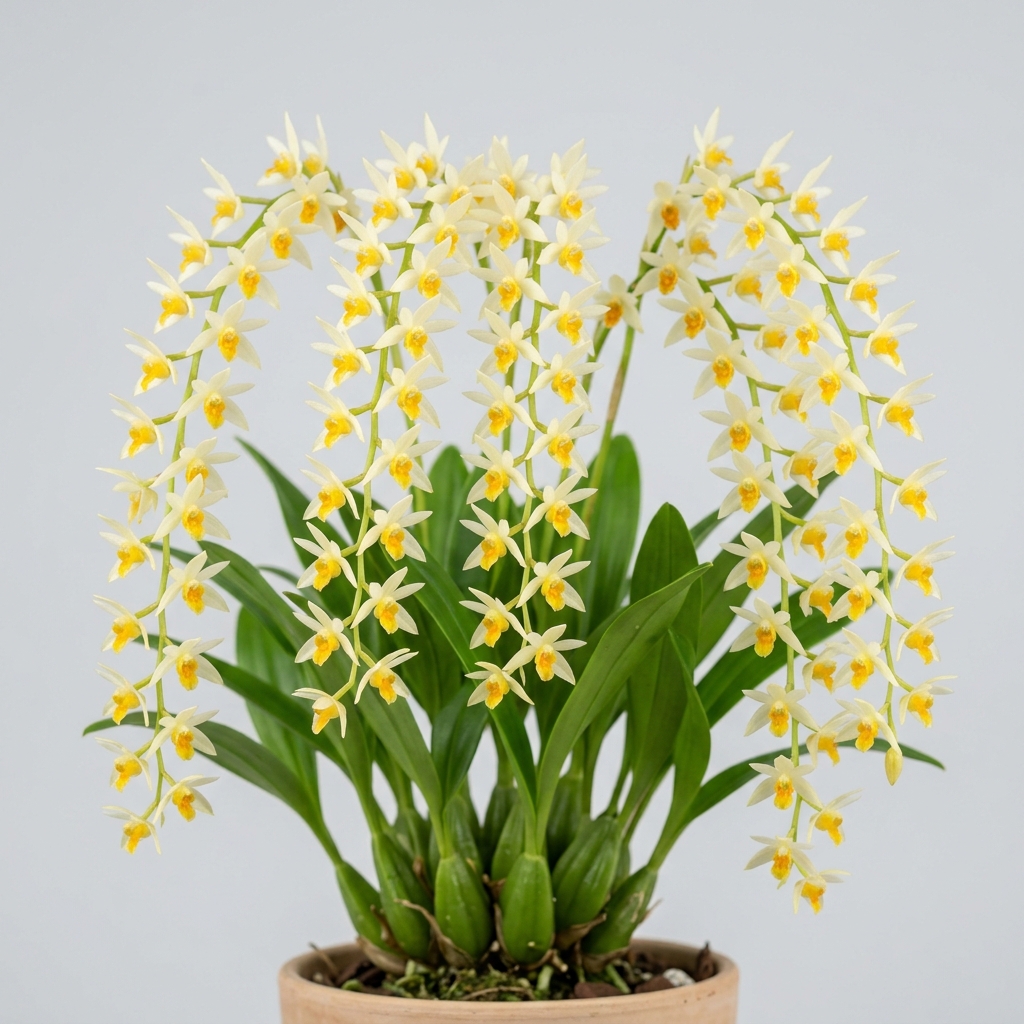
Dendrochilum Cobbianum is a Philippine epiphytic orchid known for its cascading chains of fragrant, star-like flowers. Learn how to provide the right humidity, moisture, and light for this unique species.
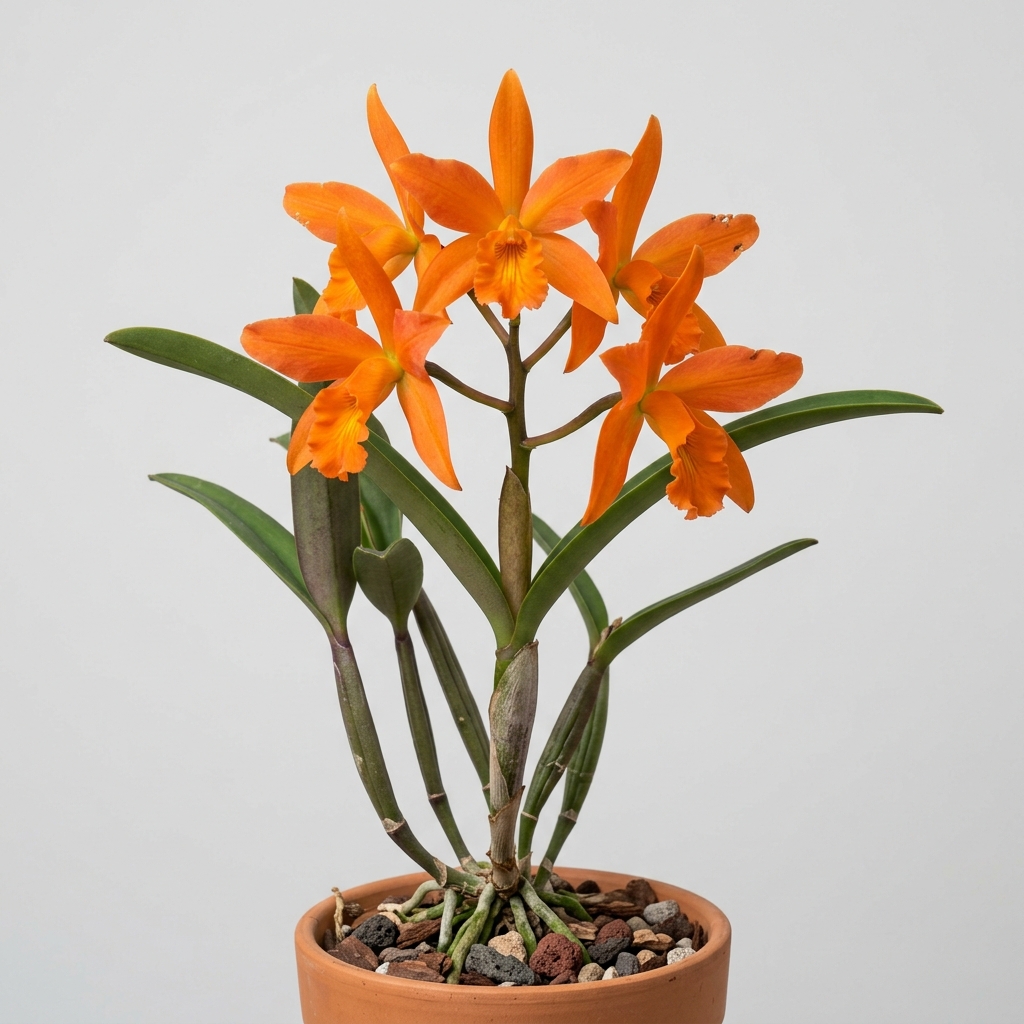
Cattleya Angereri is a striking Brazilian rupicolous orchid known for its vibrant orange, star-shaped blossoms and upright growth habit. Learn how to replicate its natural high-light, rocky environment.
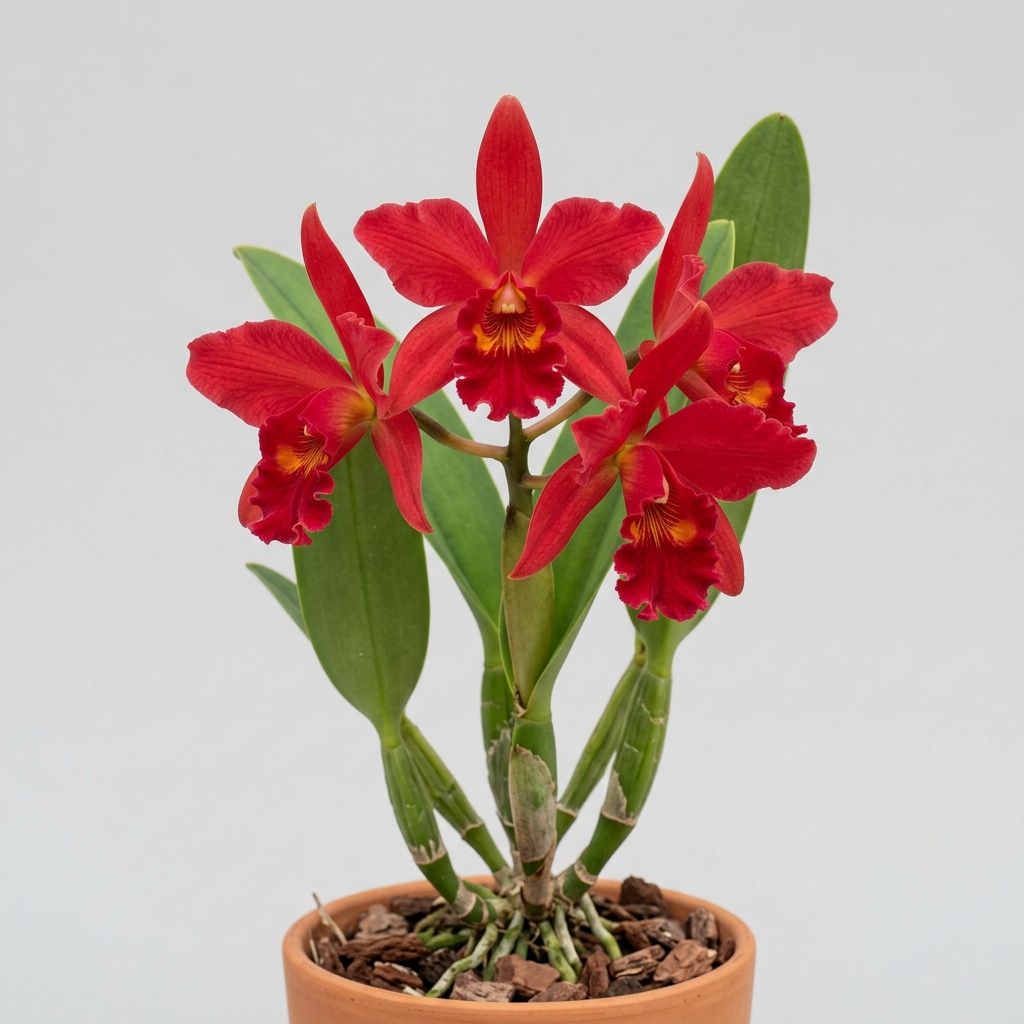
Cattleya Mantiqueirae is a compact epiphytic orchid known for its vibrant red, orange, or magenta blooms and sympodial growth. Learn how to replicate its native montane environment with proper light, temperature, and watering.
Aerides Lawrenceae is a robust monopodial epiphytic orchid native to the Philippines, prized for its highly fragrant, cascading white and purple flower spikes.
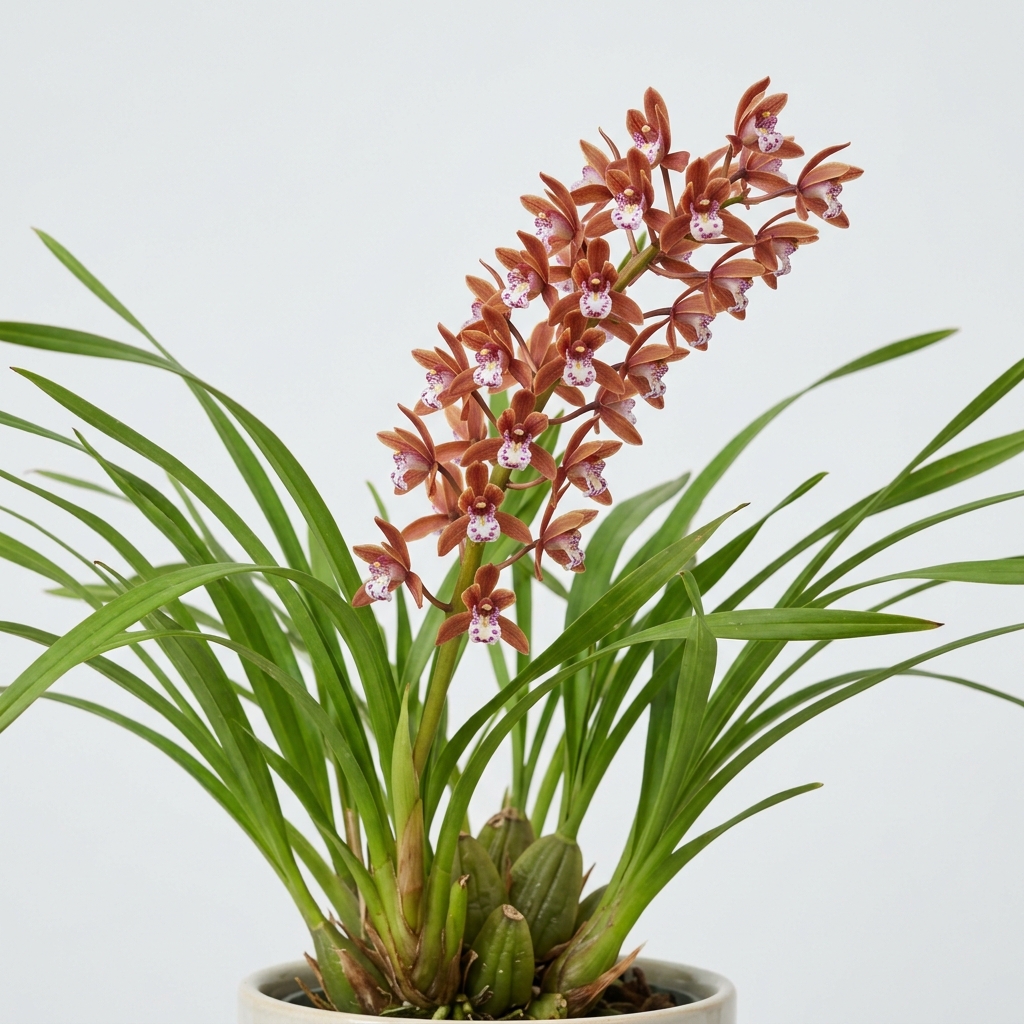
Cymbidium Pumilum is a celebrated miniature orchid species prized for its compact growth habit, grass-like foliage, and dense spikes of reddish-brown flowers.
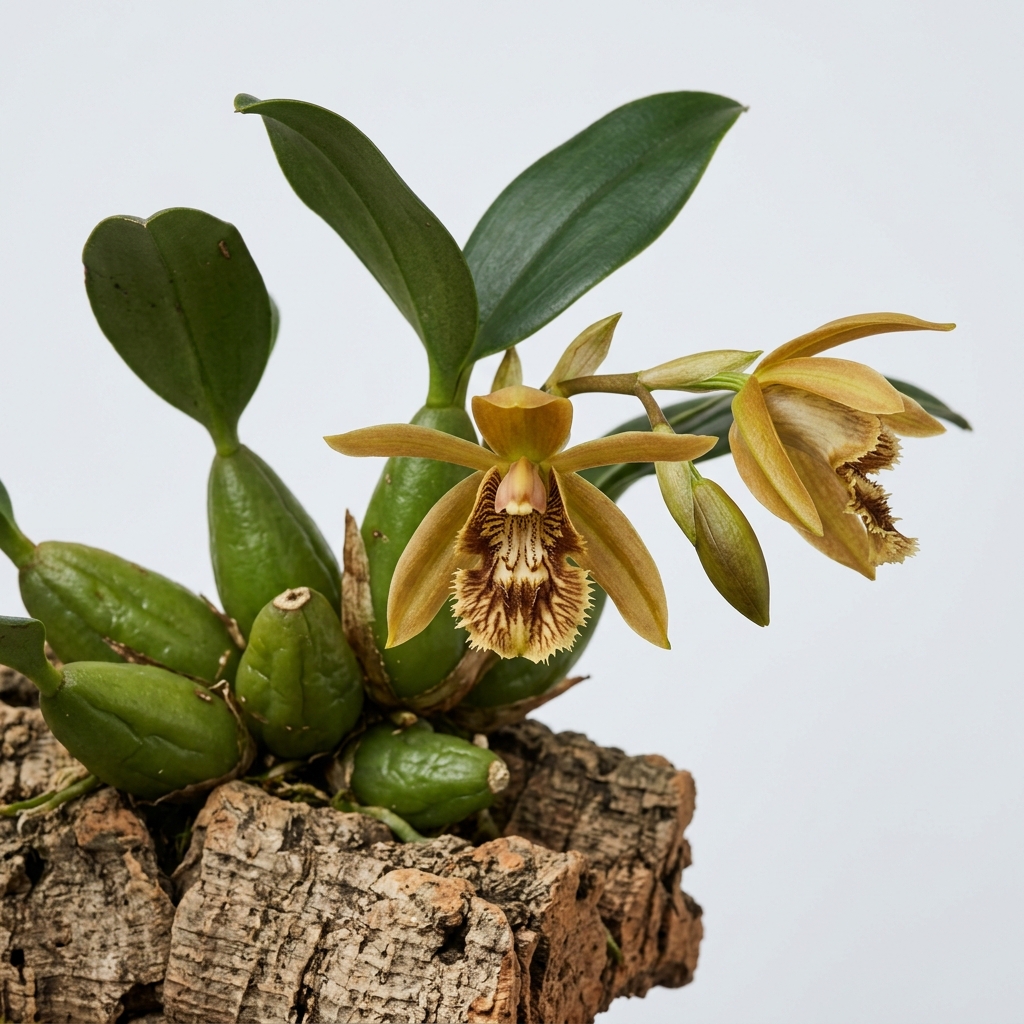
Coelogyne Ovalis is a resilient epiphytic orchid known for its creeping growth habit and fringed, earthy-toned flowers. It thrives when mounted on cork bark or grown in shallow baskets.
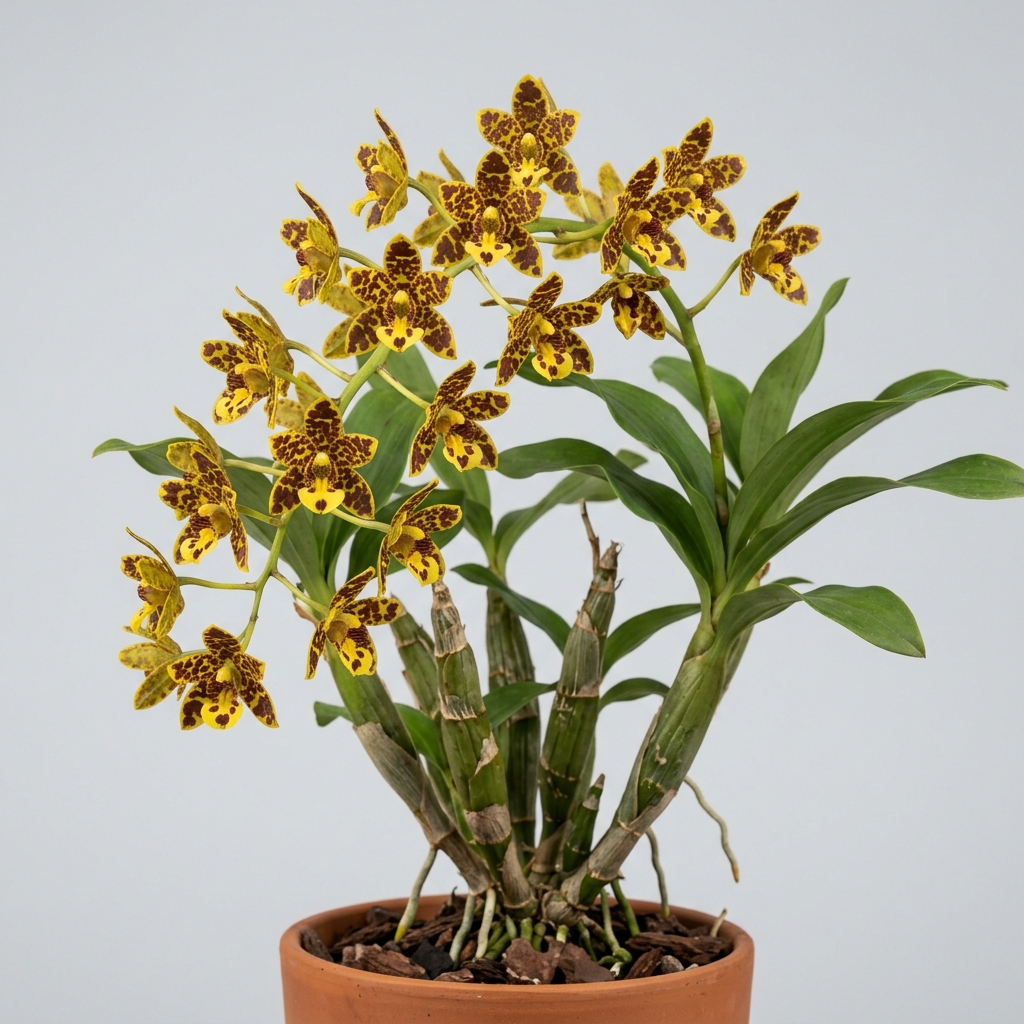
Ansellia Africana, known as the leopard orchid, is a robust African epiphyte featuring spotted yellow flowers and unique upward-pointing roots. Learn how to provide the bright light and dry winter rest it needs to bloom.
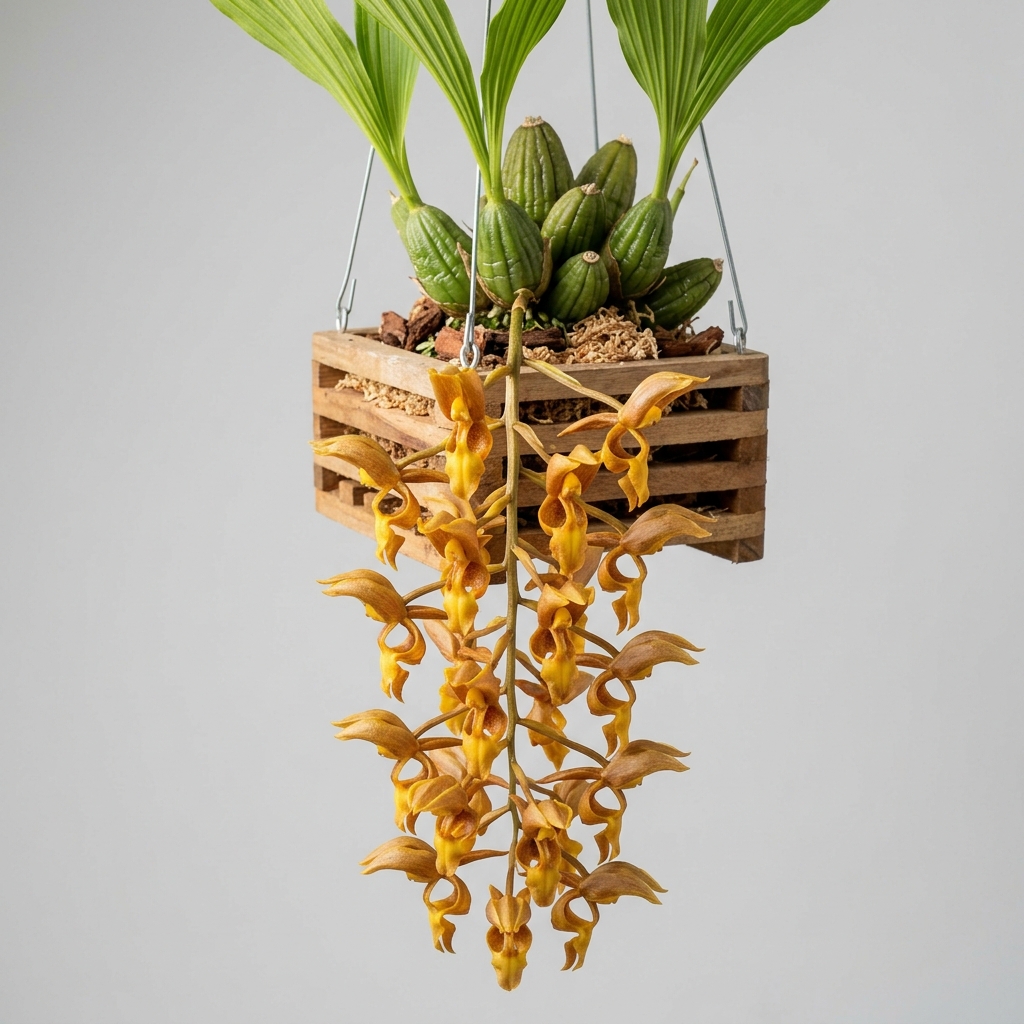
Gongora Galeata is a sympodial orchid native to Mexico, known for its pendulous, bird-like flowers and spicy fragrance. Learn how to grow this unique species in hanging baskets.
This deciduous orchid species features translucent spring blooms and cascading canes. Successful cultivation requires replicating its native Himalayan habitat with a dry winter rest.