
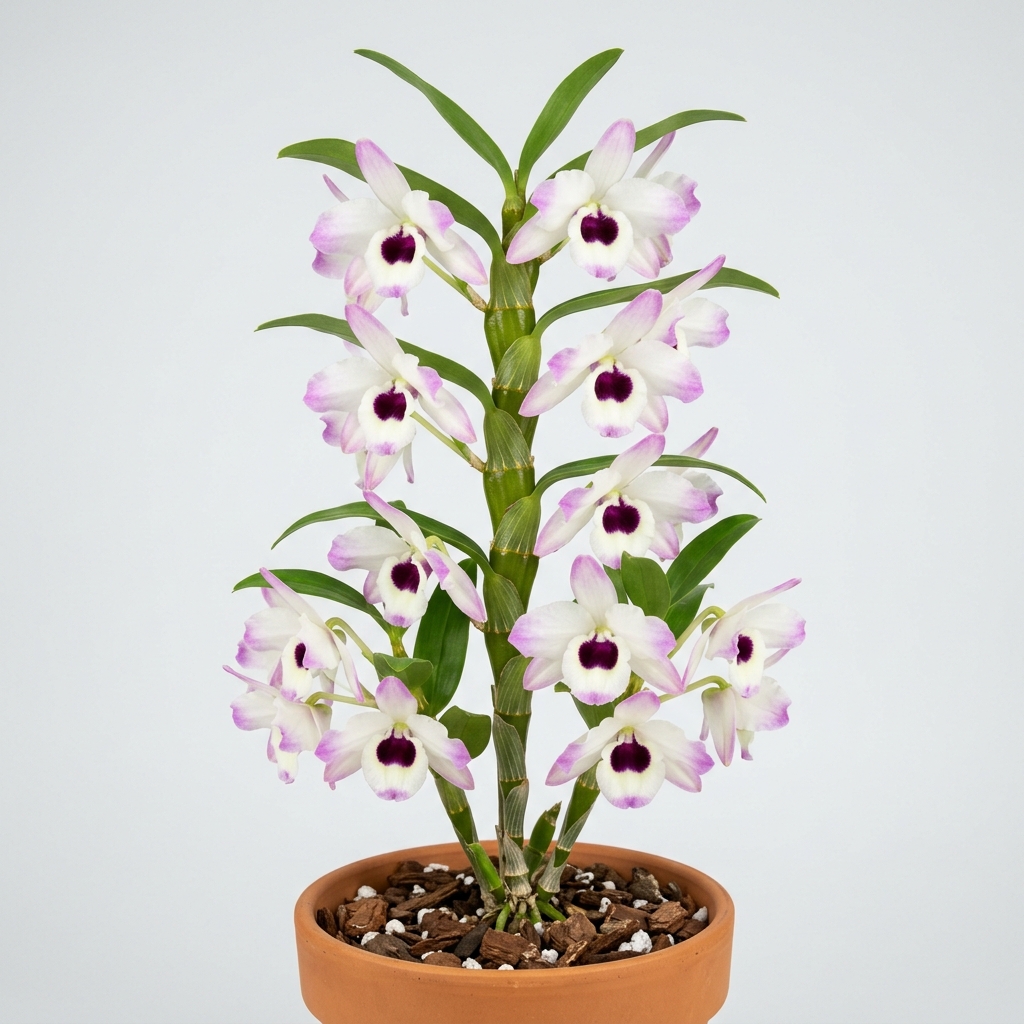
Dendrobium nobile is one of the most popular and widely cultivated members of the Orchidaceae family. Known for its upright, cane-like pseudobulbs and spectacular show of colorful blooms, this epiphytic orchid is highly prized by both novice and experienced growers. Its ability to produce dense clusters of flowers along the length of its mature canes makes it a standout addition to any indoor or greenhouse collection.
Cultivated varieties of this species typically exhibit a robust growth habit, adapting well to temperate and subtropical home environments. Growers value the plant not only for its striking visual appeal during the peak blooming season but also for its resilience and predictable seasonal growth cycle. Understanding its specific cultural requirements, particularly its need for a cool, dry winter rest, is the key to unlocking its full flowering potential year after year.
💡 Did You Know?
Unlike many orchids that flower from a single spike at the top of the plant, Dendrobium nobile produces clusters of blooms directly from the nodes along its mature canes. This unique growth habit can result in dozens of flowers covering almost the entire length of the stem, creating a spectacular pillar of color.
🌿 Botanical Overview
Dendrobium nobile is native to the mountainous regions of Asia, including parts of the Himalayas, India, China, and Southeast Asia. In its natural habitat, it grows as an epiphyte on moss-covered trees or occasionally as a lithophyte on rocky cliffs. This evolutionary background explains its preference for excellent drainage, high humidity, and distinct seasonal temperature fluctuations.
The plant is characterized by its elongated, jointed pseudobulbs, commonly referred to as canes. These upright canes can grow quite tall under optimal conditions and serve as storage organs for water and nutrients. Leaves are strap-like, deciduous or semi-deciduous, and are arranged alternately along the upper portions of the canes, often dropping off before or during the winter rest period.
🌸 Flower Characteristics
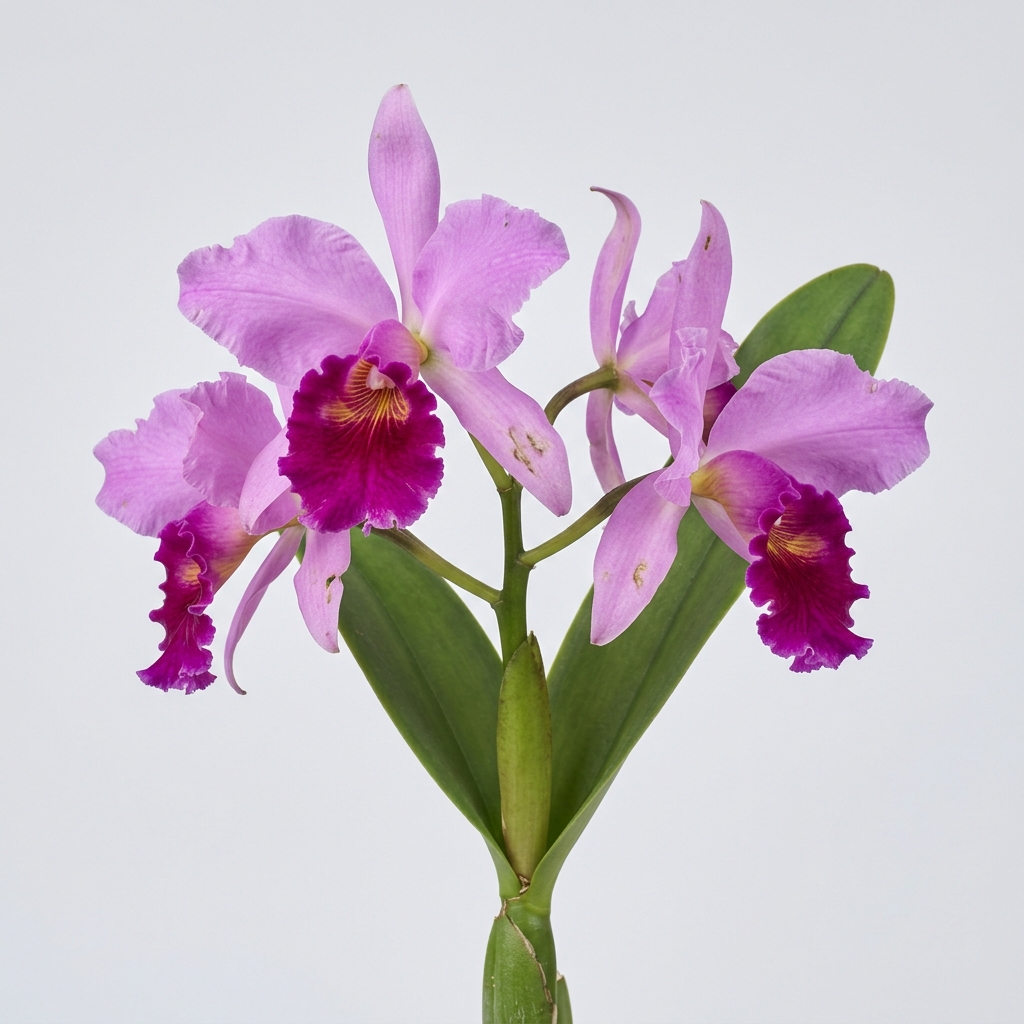
The flowers of Dendrobium nobile are celebrated for their elegant structure and vibrant coloration. Individual blossoms typically measure between two to three inches in diameter, featuring broad petals and sepals that range from pure white to soft lavender, often tipped with deep magenta or violet. The most distinctive feature is the prominent, velvety lip, which usually boasts a rich, dark purple or maroon throat surrounded by a cream-colored band.
Unlike many other orchids that produce flowers on a single terminal spike, this species produces short inflorescences of two to four flowers from the nodes along the upper half of the mature canes. This blooming habit results in a spectacular, column-like display of color that can cover a significant portion of the plant.
Fragrance & Bloom Profile
The fragrance of Dendrobium nobile is generally described as delightfully sweet, with subtle notes of honey, grass, or soft floral perfume. The scent is typically most pronounced during the morning hours when temperatures begin to rise and light levels increase. While some cultivated varieties may have a more muted scent, a well-grown specimen in full bloom can easily fill a small room with its pleasant aroma.
Individual flowers are relatively long-lasting, often remaining in pristine condition for four to six weeks if kept in cool, stable conditions. The overall bloom display can extend for up to two months as different nodes along the canes open progressively.
Parentage & Hybrid Lineage
As a primary species, Dendrobium nobile is the foundational parent for a vast group of modern hybrids collectively known as Nobile-type Dendrobiums. Breeders have utilized this species for over a century to introduce vigor, upright growth habits, and floriferousness into commercial lines.
While the exact parentage of specific cultivated clones is sometimes complex or not consistently documented in common grower references, the influence of the wild species remains unmistakable. Modern selections focus on enhancing flower size, color intensity, and reducing the strictness of the winter cooling requirement, though most still perform best with traditional seasonal care.
🌱 Growing Conditions
To thrive, Dendrobium nobile requires bright, filtered light. In northern climates, some direct morning sun is highly beneficial, while protection from intense afternoon sun is necessary to prevent leaf scorch. A light green leaf color indicates optimal light levels, whereas dark green leaves suggest the plant is receiving insufficient light.
💡 Care Tip
Ensure your orchid receives excellent air circulation, especially during the hot summer months. Good airflow helps dry the potting medium quickly, prevents fungal leaf spot, and keeps the plant cool under bright conditions.
Temperature management is critical for this orchid. During the active growing season in spring and summer, it prefers warm temperatures ranging from 70°F to 85°F (21°C to 29°C). In autumn and winter, the plant must experience a distinct cooling period, with nighttime temperatures dropping to 50°F to 55°F (10°C to 13°C) to trigger bud initiation.
Watering, Feeding & Potting Media
Watering practices must change dramatically with the seasons. During the spring and summer active growth phase, water the plant thoroughly as soon as the potting medium approaches dryness. Apply a balanced orchid fertilizer at quarter-strength with every other watering to support the development of robust new canes.
As autumn approaches, gradually reduce watering and stop fertilizing entirely. During the winter rest, water should be provided sparingly, only enough to prevent the canes from shriveling excessively. A well-draining potting medium, such as medium-grade fir bark mixed with perlite or charcoal, is essential to ensure the roots dry quickly and do not rot.
Blooming Season & Care Notes
The primary blooming season occurs from late winter through early spring, directly following the winter rest period. Once flower buds begin to emerge from the nodes along the canes, growers can slightly increase watering, but should avoid heavy watering or fertilizing until the blooms have fully faded and new growth appears at the base of the plant.
Repotting should only be done every two to three years, immediately after flowering has finished and new vegetative shoots are starting to produce fresh roots. These orchids prefer to be slightly pot-bound, so choose a container that is only slightly larger than the root mass.
⚠️ Common Issues
⚠️ Common Mistake
The most common mistake is continuing to water and fertilize normally during the late autumn and winter. Without a distinct cool, dry rest period, the plant will produce vegetative keikis instead of the desired flower buds.
- Root rot caused by overwatering during the winter rest period.
- Bud blast, where developing buds yellow and drop, often due to sudden temperature swings or low humidity.
- Dehydration, characterized by severely shriveled canes and dry, brittle roots.
- Pests such as spider mites, mealybugs, and scale, which can hide in the leaf axils and bracts.
- Foliar spotting or fungal infections resulting from poor air circulation in high-humidity environments.
❓ Frequently Asked Questions
How do I get my Dendrobium nobile to rebloom?
To trigger blooming, you must provide a cool, dry rest period starting in late autumn. Reduce watering significantly, stop fertilizing, and expose the plant to nighttime temperatures around 50°F to 55°F (10°C to 13°C) for six to eight weeks.
Why is my orchid producing baby plants on the canes instead of flowers?
These baby plants are called keikis. They often develop when the plant is watered or fertilized too heavily during its autumn and winter rest phase, or if temperatures remain too warm to initiate flower buds.
Should I cut down the old canes after they finish flowering?
No, do not cut down old canes unless they are completely dry, brown, and shriveled. Mature canes store vital water and nutrients that support new growth, and they can sometimes produce flowers or keikis in later years.
What type of potting mix is best for this orchid?
A highly porous, fast-draining medium is best. A mix of medium-grade fir bark, horticultural charcoal, and perlite works exceptionally well to provide the roots with plenty of oxygen and rapid drainage.
⭐ Final Growing Notes
Cultivating Dendrobium nobile is a highly rewarding endeavor that connects growers to the rich history of orchid cultivation. By respecting its natural seasonal rhythm of warm, wet summers and cool, dry winters, you will be rewarded with a spectacular annual display of vibrant, fragrant blossoms that bring life and color to the winter home.
🌱 Propagation Tip
If your orchid produces keikis (baby plants) along the canes, wait until they have developed at least three or four healthy roots that are two inches long before gently detaching and potting them in a small container with fine bark.
⭐ Expert Advice
When repotting, choose the smallest pot possible that will accommodate the root system. Dendrobium nobile thrives when slightly pot-bound, and excess can retain too much moisture, leading to root rot.

Leave A Comment