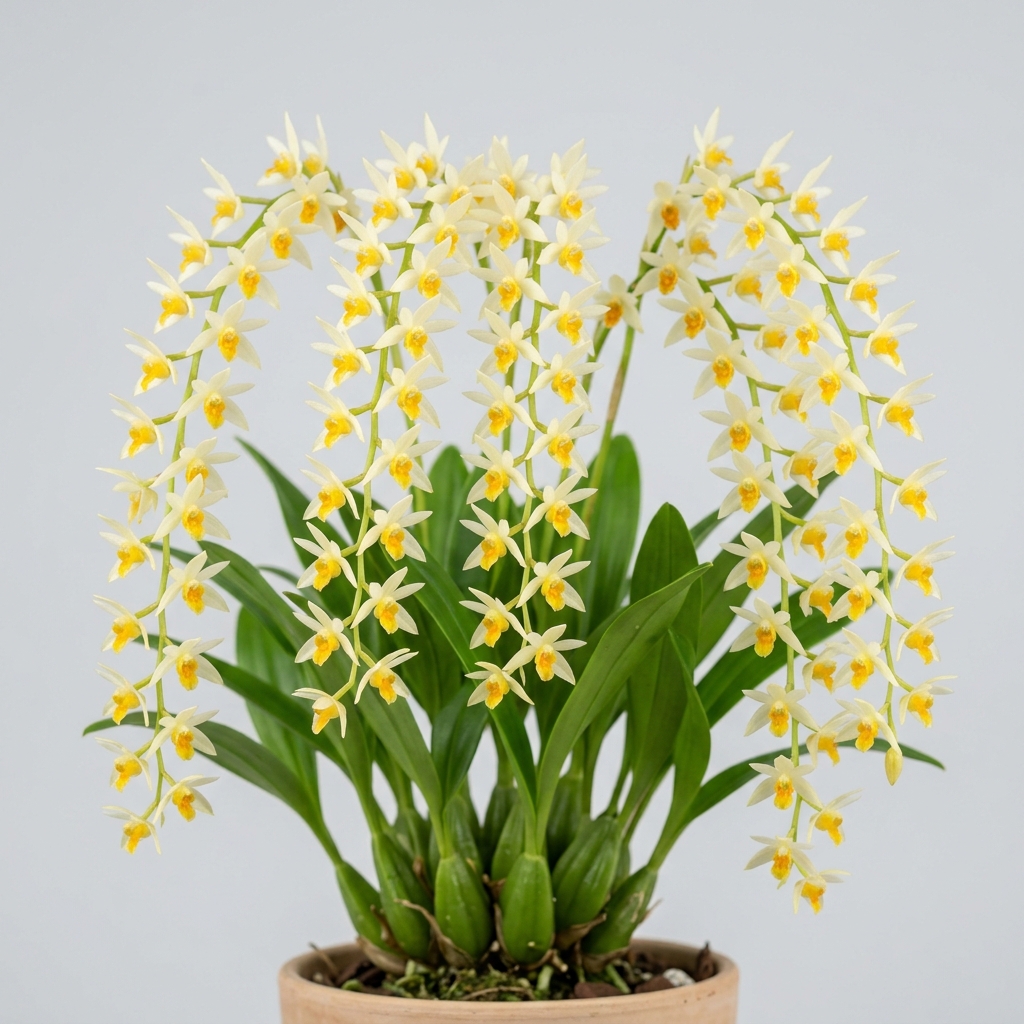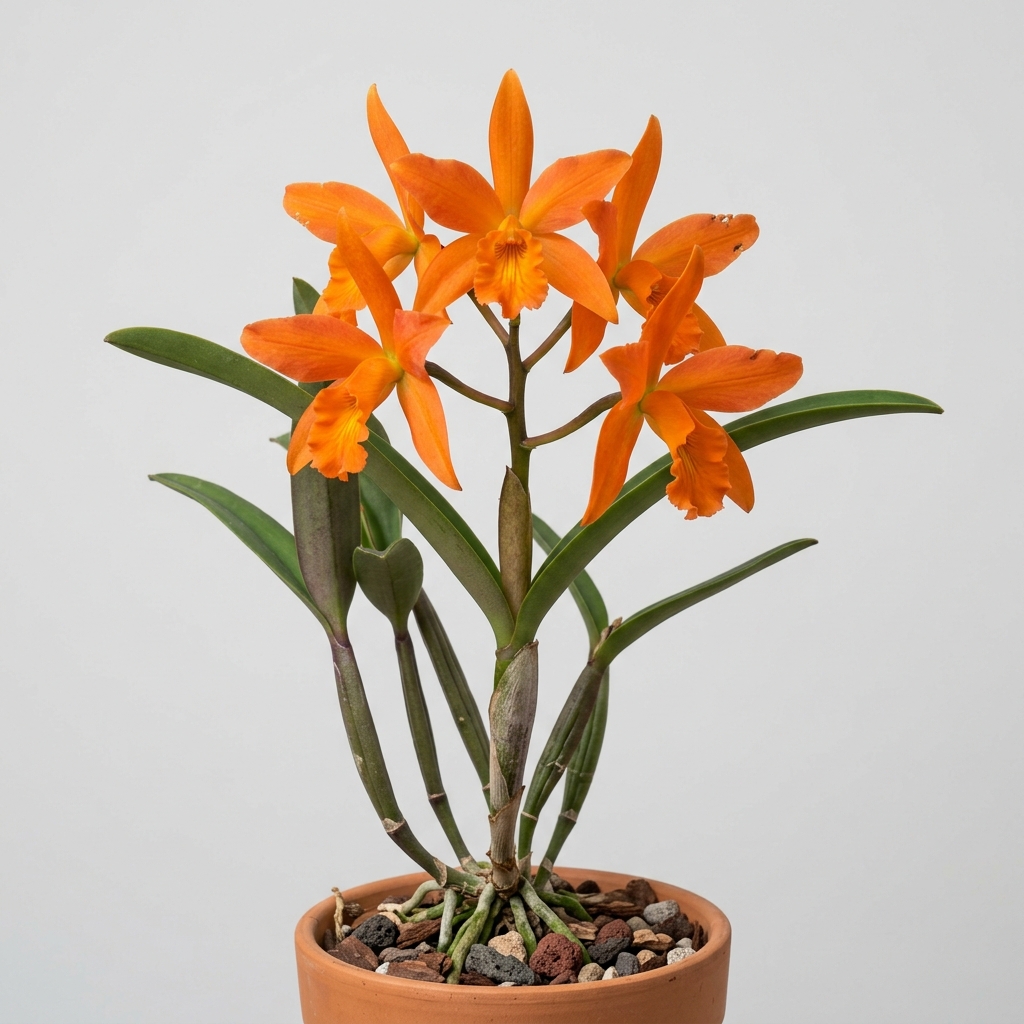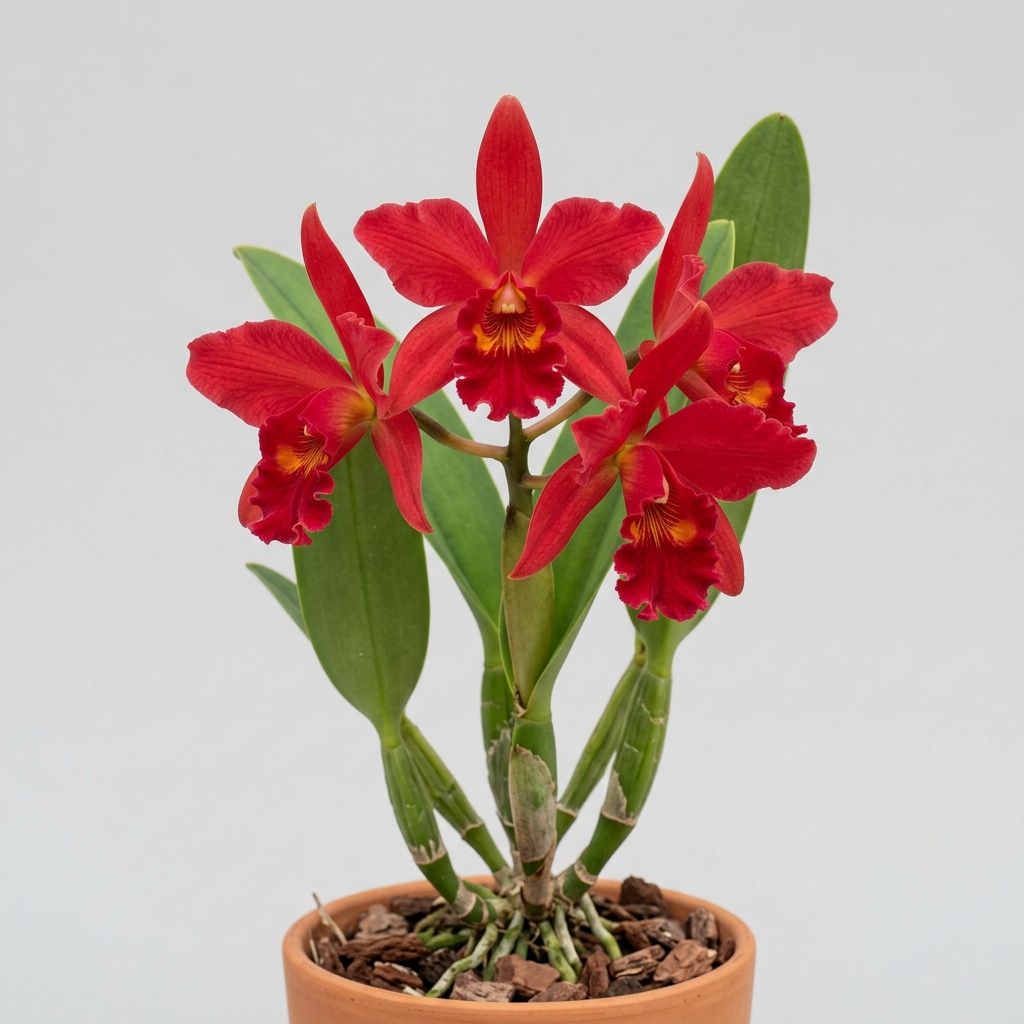

Aerides Lawrenceae is a highly prized monopodial epiphytic orchid native to the Philippines, renowned for its dramatic pendulous flower spikes and robust growth habit. As a member of the Vandeae tribe, this species mimics the growth form of Vandas, producing thick, leathery leaves arranged in a fan-like pattern along a single upright stem. Growers particularly value this orchid for its spectacular, cascading inflorescences that bring a tropical elegance to any collection.
In cultivation, Aerides Lawrenceae is celebrated not only for its striking visual presentation but also for its exceptionally fragrant blossoms. While it requires specific environmental conditions to thrive, including high humidity and bright, filtered light, its resilience and rewarding blooming cycle make it a favorite among intermediate and advanced orchid enthusiasts. When properly cared for, a mature specimen can produce multiple pendulous spikes that fill a growing space with a rich, sweet aroma.
💡 Did You Know?
The name Aerides translates to air plant, which perfectly describes how Aerides Lawrenceae grows in the wild. Its thick, extensive aerial roots are designed to hang completely free in the humid tropical air, absorbing moisture and nutrients directly from passing rain and mist without ever touching soil.
🌿 Botanical Overview
Aerides Lawrenceae is a robust, warm-growing epiphyte indigenous to the canopy of tropical forests in the Philippines, particularly on the island of Mindanao. In its natural habitat, it grows high on tree trunks where it receives abundant air circulation, frequent rainfall, and filtered but intense sunlight. The plant features a monopodial growth habit, meaning it grows upward from a single stem, producing thick, strap-like leaves that are channeled and slightly arched.
The root system of Aerides Lawrenceae is highly adapted to its epiphytic lifestyle. It produces extensive, thick aerial roots covered in velamen, a spongy tissue that rapidly absorbs moisture and nutrients from the air and passing rain. Because of this specialized root structure, the plant cannot tolerate stagnant moisture around its root zone, requiring a setup that allows the roots to dry quickly after watering.
🌸 Flower Characteristics
The flowers of Aerides Lawrenceae are the primary draw for collectors, presented on pendulous, densely packed racemes that can reach up to two feet in length. Each inflorescence can carry between 15 and 30 waxy, long-lasting blossoms, each measuring approximately two inches across. The flowers feature white or cream-colored sepals and petals that are distinctively tipped with rich amethyst-purple or magenta, creating a striking contrast.
The lip, or labellum, of the flower is highly complex and characteristic of the genus Aerides. It is trilobed and extends into a forward-curving, horn-like spur that is often tinted with green or yellow at the tip. The lateral lobes of the lip wrap inward, while the mid-lobe is finely fringed or serrated, adding to the intricate, exotic appearance of each individual bloom.
Fragrance & Bloom Profile
One of the most outstanding attributes of Aerides Lawrenceae is its intense, sweet fragrance, which is often described as a blend of citrus, anise, and warm spices. The scent is most pronounced during the morning and early afternoon hours when temperatures rise, serving to attract natural pollinators in the wild. A single blooming specimen can easily perfume an entire greenhouse or growing room.
The blooms are remarkably long-lasting for an orchid with such a strong fragrance, often remaining pristine for four to six weeks if kept in cool, stable conditions. The flowering spike develops over several weeks, with the buds opening nearly simultaneously to create a dramatic, cascading display of color and scent.
Parentage & Hybrid Lineage
Aerides Lawrenceae is a distinct, naturally occurring species rather than a man-made hybrid. First described in the late 19th century, it has been used extensively in orchid hybridization to introduce its robust growth habit, pendulous flower spikes, and intense fragrance to other genera within the Vanda alliance.
In hybrid registration, crosses between Aerides and Vanda are known as Aeridovanda, while crosses with Rhynchostylis are called Aeridostylis. Because some historical records of specific cultivars and early hybrids can be inconsistent in common grower references, modern collectors often prefer to maintain pure species lines to preserve the unique botanical characteristics of the original Philippine populations.
🌱 Growing Conditions
To successfully cultivate Aerides Lawrenceae, growers must replicate its warm, humid tropical canopy environment. It thrives in bright, indirect light, similar to the light levels required by Vandas. While it can tolerate some direct morning sun, hot afternoon sun must be filtered to prevent the thick leaves from scorching. A light green leaf color indicates optimal light exposure, while dark green leaves suggest the plant requires more light.
💡 Care Tip
To maintain the high Aerides Lawrenceae craves without risking root rot, grow the plant in an open wooden basket hung near a humidifier. Ensure a small fan runs nearby to provide constant, gentle air movement around the foliage.
Temperatures should remain warm year-round, with daytime temperatures ideally ranging between 75°F and 85°F (24°C to 29°C), and night temperatures not dropping below 60°F to 65°F (15°C to 18°C). High humidity is critical, ideally maintained between 70% and 80%. Constant, gentle air movement is essential to prevent fungal pathogens from establishing on the damp foliage or roots.
Watering, Feeding & Potting Media
Watering practices for Aerides Lawrenceae must align with its rapid-drying root system. During the active growing season in spring and summer, the plant should be watered daily, or even twice daily in extremely hot weather. The roots should turn from a silvery-white to a vibrant green when fully hydrated. In winter, watering should be reduced slightly, allowing the plant to dry out between waterings while maintaining high atmospheric humidity.
Because these orchids are typically grown with little to no potting media, frequent feeding is necessary to support their vigorous growth. A balanced, water-soluble orchid fertilizer should be applied weekly at a quarter or half strength during the growing season. Growing the plant in an open, slatted wooden basket or mounted on a large cork slab allows the aerial roots to hang freely, ensuring they receive the rapid wet-dry cycle they require. If potted, use only extremely coarse fir bark or charcoal chunks.
Blooming Season & Care Notes
Aerides Lawrenceae typically initiates its blooming cycle in the autumn or early winter, responding to the subtle seasonal shifts in day length and temperature. As the flower spike begins to emerge from the leaf axils, it is important to keep the plant in a stable position. Rotating the plant during spike development can cause the buds to twist as they orient themselves toward the light source, disrupting the natural symmetry of the cascade.
Once the flowers fade, the spike should be cut back close to the stem using sterilized shears. Repotting or remounting is best done in the spring when new root tips are actively growing. Because this species resents root disturbance, growers should only disturb the root system when the wooden basket decays or when the plant has completely outgrown its mount.
⚠️ Common Issues
⚠️ Common Mistake
The most common mistake is potting Aerides Lawrenceae in standard, fine orchid potting mix. This suffocates the thick aerial roots, leading to rapid root rot. Instead, keep the roots bare in a wooden basket or use only very large chunks of charcoal and bark.
- Root Rot: Occurs when the orchid is grown in dense, water-retaining media or when air circulation is inadequate.
- Leaf Spotting: Fungal or bacterial spots can develop on the leaves if water is allowed to sit in the crown or leaf axils overnight.
- Bud Blast: Sudden changes in temperature, low humidity, or drafts can cause developing buds to yellow and drop before opening.
- Dehydration: Characterized by shriveled, leathery leaves and dry, brittle roots, usually caused by insufficient watering or low humidity.
- Pests: Mealybugs and scale insects can hide in the tight crevices of the leaf axils and should be treated promptly with horticultural soap or neem oil.
❓ Frequently Asked Questions
How often should I water Aerides Lawrenceae?
During the warm summer months, Aerides Lawrenceae grown in baskets or on mounts should be watered daily. The goal is to thoroughly drench the roots until they turn green, then allow them to dry completely within a few hours. In winter, reduce watering to every two to three days, depending on your indoor humidity levels.
Can I grow Aerides Lawrenceae indoors under artificial lights?
Yes, but it requires high-intensity LED grow lights to simulate the bright canopy light it prefers. Additionally, because it demands high humidity (above 70%) and frequent watering, growing it in a dedicated orchid case, indoor greenhouse, or tent is often more successful than growing it in a standard living room.
Why are the leaves on my Aerides Lawrenceae turning yellow?
Yellowing leaves can indicate several issues. If the lower leaves yellow and drop gradually, it may be natural aging. However, widespread yellowing can be caused by excessive direct sunlight, root rot from poor drainage, or a sudden drop in temperature.
Does Aerides Lawrenceae require a winter rest period?
Aerides Lawrenceae does not require a strict, dry winter rest like some other orchid genera. However, it does benefit from a slight reduction in watering and fertilizer during the cooler, darker winter months when its growth naturally slows down.
⭐ Final Growing Notes
Aerides Lawrenceae remains one of the most rewarding species for collectors who can accommodate its size and environmental preferences. Its spectacular cascading spikes, combined with an unforgettable sweet fragrance, make it a true showpiece in any warm-growing orchid collection. By focusing on high humidity, bright light, and a free-draining root environment, growers can enjoy the dramatic annual display of this magnificent Philippine treasure for decades.
⚕️ Health, Safety & Edibility
Understanding how a plant interacts with people, pets, and the surrounding environment is part of responsible cultivation. This section uses conservative, general guidance and does not replace professional medical or veterinary advice.
Human Safety: No published evidence currently identifies species-specific toxicity concerns for Aerides Lawrenceae during normal handling. As with most ornamental plants, it should not be intentionally consumed.
Pet Safety: Published information does not indicate that this orchid commonly poses a toxicity concern for cats or dogs. However, chewing leaves, flowers, roots, or potting media may still cause mild digestive upset.
Edibility: This orchid is cultivated for ornamental display rather than food. Ornamental plants may carry fertilizers, pesticides, or other horticultural treatments that make them unsuitable for consumption.
Skin Contact: Routine handling is not generally associated with skin irritation. Gardeners with sensitive skin may prefer wearing gloves when repotting, pruning, or handling potting media.
🌱 Propagation Tip
While monopodial orchids like Aerides Lawrenceae are typically not divided, mature plants may occasionally produce offshoots, known as keikis, near the base of the stem. Allow the keiki to develop several robust roots of its own before carefully detaching and mounting it.
⭐ Expert Advice
When , observe the color of the roots. Silvery-white roots are dry and ready for water, while bright green roots are fully hydrated. Drenching the roots until they turn completely green ensures the plant receives adequate moisture before it dries out.