

Epidendrum Ibaguense, commonly known as the reed-stem Epidendrum or crucifix orchid, is a robust and highly adaptable terrestrial or lithophytic orchid species native to Central and South America. Highly valued by both novice and experienced growers, this species is celebrated for its tall, cane-like stems and dense, spherical clusters of vibrant flowers that can bloom almost continuously under optimal conditions. Its resilient nature makes it an excellent introductory orchid for those transitioning from common houseplants to the diverse world of Orchidaceae.
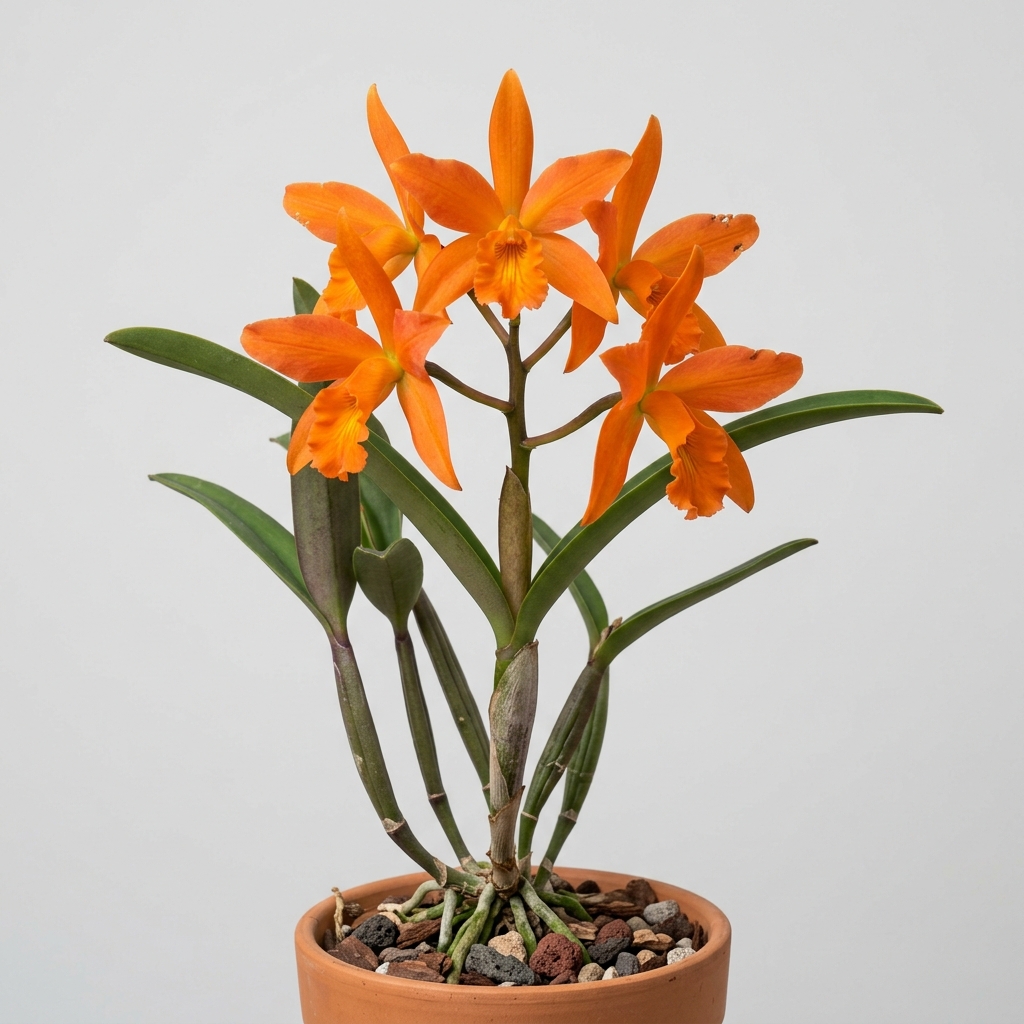
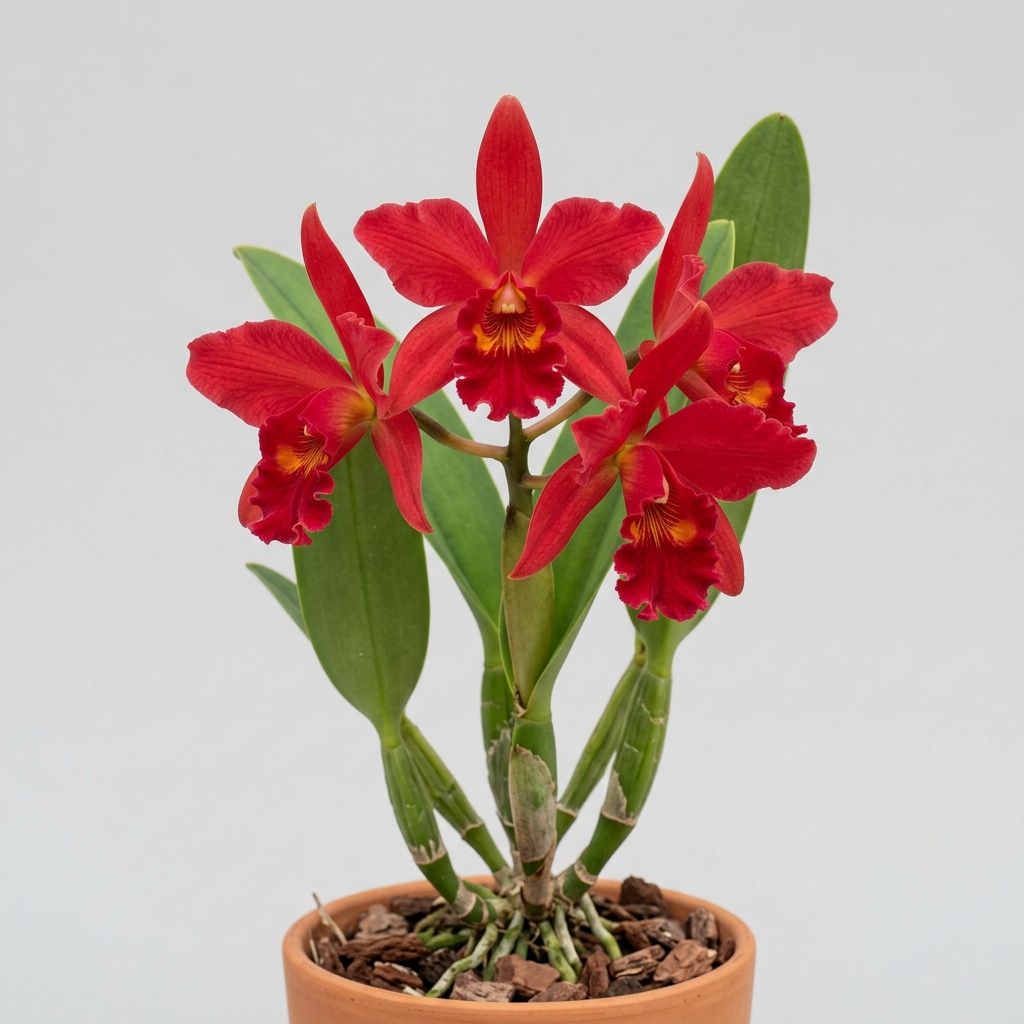
Unlike many delicate epiphytic orchids, this species shows a vigorous, upright growth habit resembling wild reeds or grasses. The terminal flower clusters present a striking display of bright orange, red, or yellow blooms, each featuring a distinctive fringed lip that resembles a small cross. This structural hardiness, combined with a remarkable tolerance for varied environmental conditions, has secured its place as a staple in warm-climate landscapes and indoor collections alike.
💡 Did You Know?
Epidendrum Ibaguense is commonly called the crucifix orchid because the central three-lobed lip of each flower closely resembles a small, detailed cross. In its native Central and South American habitats, this unique floral structure has evolved to attract specific butterfly pollinators, which land on the sturdy lip to sip nectar while transferring pollen.
🌿 Botanical Overview
Epidendrum Ibaguense is a prominent member of the vast Epidendrum genus, which comprises over a thousand species distributed throughout the neotropics. In its native habitats of Colombia, Venezuela, and Central America, it frequently grows as a terrestrial plant in sandy, nutrient-poor soils or as a lithophyte clinging to rocky outcroppings exposed to bright sunlight. This terrestrial adaptation distinguishes it from many of its strictly epiphytic relatives, giving it a more robust root system capable of anchoring in denser substrates.
The vegetative structure of this orchid is characterized by slender, reed-like pseudobulbs or stems that can reach heights of three to six feet in ideal conditions. These stems are densely clothed in alternating, leathery, lanceolate leaves that provide a lush green backdrop. Along the length of the mature stems, the plant frequently produces adventitious roots and offshoots, known as keikis, which aid in its natural vegetative spread across its native habitat.
🌸 Flower Characteristics
The inflorescence of Epidendrum Ibaguense is a terminal raceme or umbel-like cluster that emerges from the apex of the mature reed-stems. Each cluster can bear dozens of small, star-shaped flowers, typically measuring about one inch in diameter. The flowers open sequentially from the outer edges inward, ensuring a prolonged and highly visible display that can last for several months on a single spike.
The individual blooms are characterized by narrow, spreading sepals and petals that frame a highly modified, three-lobed lip. This lip, or labellum, is deeply fringed or lacerated and is fused to the column, a signature trait of the genus Epidendrum. The resemblance of this central lip to a small, ornate crucifix has given rise to its common name, the crucifix orchid. While wild specimens are most frequently brilliant orange or red, cultivated varieties display a broader spectrum, including clear yellows and lavender tones.
Fragrance & Bloom Profile
Unlike some of its highly aromatic relatives within the orchid family, Epidendrum Ibaguense is generally not grown for its scent. Most cultivated specimens are reported to be completely unscented, or at best, possess a very faint, grassy fragrance detectable only under warm, humid conditions at midday. Growers seeking highly fragrant orchids may find this species lacking in olfactory appeal, but its exceptional bloom duration more than compensates for the absence of perfume.
The bloom profile of this species is exceptionally long-lived. Because the flowers open in a slow, sequential manner along the terminal cluster, a single inflorescence remains attractive for weeks or even months. In warm climates or stable indoor environments, mature plants can produce new flower spikes throughout the year, leading to an almost perpetual blooming cycle.
Parentage & Hybrid Lineage
As a naturally occurring species rather than a man-made hybrid, Epidendrum Ibaguense possesses a clean botanical lineage. However, within the horticultural trade, there is significant historical confusion surrounding its classification. It is a member of the Epidendrum secundum complex, a group of closely related, intergrading species that frequently hybridize in nature and in cultivation. Consequently, many plants sold as E. ibaguense may actually be natural hybrids or closely related species such as E. radicans or E. secundum.
In modern hybridization programs, this species and its close relatives have been used extensively to introduce color intensity, upright growth habits, and cold tolerance into reed-stem Epidendrum hybrids. These efforts have resulted in a wide array of colorful cultivars that exhibit improved flower size and more compact growth habits suitable for container culture.
🌱 Growing Conditions
To cultivate Epidendrum Ibaguense successfully, replicating its bright, airy native environment is key. This species thrives in bright, indirect light and can easily tolerate several hours of direct morning sun once acclimated. Insufficient light is the most common cause of weak, floppy stems and a failure to initiate flower buds. If grown indoors, a south- or west-facing window is highly recommended, or supplemental LED grow lights may be utilized.
💡 Care Tip
Provide this orchid with the brightest possible without burning the leaves. If the foliage develops a slight reddish or purple tint, it indicates the plant is receiving the maximum safe amount of , which often triggers the most abundant and vibrant blooms.
Temperature: wise, this orchid is highly adaptable, classifying as a warm-to-intermediate grower. It prefers daytime temperatures between 70°F and 85°F (21°C to 29°C) and night temperatures that do not consistently drop below 50°F (10°C). While it can survive brief, light frosts if kept relatively dry, prolonged exposure to freezing temperatures will damage or kill the foliage and stems. Moderate humidity levels of 50% to 70% are ideal, coupled with excellent air circulation to prevent fungal pathogens.
Watering, Feeding & Potting Media
Unlike epiphytic orchids that require their roots to dry out completely between waterings, Epidendrum Ibaguense prefers consistent moisture. The potting medium should remain damp but never waterlogged. During the active growing season in spring and summer, water the plant thoroughly as soon as the top inch of the medium feels dry. In the winter months, watering should be scaled back slightly, allowing the medium to dry out more between applications.
Because of its semi-terrestrial nature, this orchid is less demanding regarding potting media than delicate epiphytes. It can be grown successfully in a coarse, well-draining orchid mix consisting of medium fir bark, perlite, and charcoal, or even a highly porous terrestrial mix containing peat moss and coarse sand. Regular feeding is essential to support its rapid growth and continuous blooming. Apply a balanced, water-soluble orchid fertilizer diluted to quarter or half strength every two weeks during the active growing season, flushing the pot with pure water once a month to prevent salt buildup.
Blooming Season & Care Notes
While Epidendrum Ibaguense can bloom at almost any time of the year, its primary flowering flush typically occurs from late winter through summer. Once a flower spike has finished blooming, do not rush to cut the stem back to the base. The old flower spike may produce secondary branches with additional blooms, or it may develop adventitious plantlets (keikis) along the nodes. Only prune the flower stem back to the main cane once it has completely dried and turned brown.
Repotting is best performed in the spring, just as new growth begins to emerge from the base of the plant. Because these orchids can grow quite tall and top-heavy, choosing a heavy clay pot can provide necessary stability. Ensure the new container has ample drainage holes, and gently secure the tall canes with stakes until the root system establishes itself in the new medium.
⚠️ Common Issues
⚠️ Common Mistake
Avoid treating this semi-terrestrial orchid like a strictly epiphytic species. Allowing the potting medium to dry out completely for extended periods will stall growth and cause the lower leaves to yellow and drop prematurely. Keep the medium evenly moist.
- Floppy or Weak Canes: Usually caused by insufficient light, leading the plant to stretch toward the light source.
- Root Rot:
Occurs when the potting medium is too dense, lacks drainage, or is kept constantly saturated without adequate airflow. - Scale and Mealybugs: These common pests often hide in the tight leaf sheaths along the reed-stems; treat promptly with insecticidal soap or neem oil.
- Lack of Blooms: Typically a result of inadequate light levels or a lack of nutrients during the active growing phase.
- Fungal Leaf Spotting: Can develop if water is allowed to sit on the foliage overnight in stagnant air; ensure watering is done in the morning and maintain good air movement.
❓ Frequently Asked Questions
How do I propagate Epidendrum Ibaguense?
This orchid is easily propagated by removing and potting the small plantlets, known as keikis, that naturally form along the mature stems. Once a keiki has developed several roots that are at least two inches long, gently twist or cut it away from the parent stem and pot it in a small container with a fine orchid bark mix.
Can this orchid be grown outdoors year-round?
Yes, in USDA hardiness zones 10 and 11, Epidendrum Ibaguense can be grown outdoors year-round. It is often used as a landscape plant in frost-free climates, where it can be planted directly in well-draining garden beds or large patio containers. In colder zones, it must be brought indoors for the winter.
Why is my crucifix orchid not blooming?
The most common reason for a lack of blooms is insufficient light. These orchids require very bright, indirect light or even partial direct morning sun to trigger flowering. If your plant is producing lush green leaves but no flower spikes, try gradually moving it to a brighter location.
How often should I repot my reed-stem Epidendrum?
Generally, repotting is required every two to three years, or when the potting medium begins to break down and retain too much moisture. It is also necessary when the plant becomes too top-heavy for its current container. Always repot in the spring when active new root growth is visible.
⭐ Final Growing Notes
Epidendrum Ibaguense remains one of the most rewarding and resilient orchids available to modern horticulturists. Its combination of structural endurance, vibrant and long-lasting floral displays, and straightforward care requirements makes it an exceptional choice for both indoor windowsill growers and warm-climate landscapers. By providing ample light, consistent moisture, and a well-draining medium, growers can enjoy the cheerful, crucifix-shaped blooms of this remarkable species for many years to come.
⚕️ Health, Safety & Edibility
Understanding how a plant interacts with people, pets, and the surrounding environment is part of responsible cultivation. This section uses conservative, general guidance and does not replace professional medical or veterinary advice.
Human Safety: No published evidence currently identifies species-specific toxicity concerns for Epidendrum Ibaguense during normal handling. As with most ornamental plants, it should not be intentionally consumed.
Pet Safety: Published information does not indicate that this orchid commonly poses a toxicity concern for cats or dogs. However, chewing leaves, flowers, roots, or potting media may still cause mild digestive upset.
Edibility: This orchid is cultivated for ornamental display rather than food. Ornamental plants may carry fertilizers, pesticides, or other horticultural treatments that make them unsuitable for consumption.
Skin Contact: Routine handling is not generally associated with skin irritation. Gardeners with sensitive skin may prefer wearing gloves when repotting, pruning, or handling potting media.
🌱 Propagation Tip
Look for small plantlets, or keikis, that form along the mature reed-stems. Wait until these offsets have developed several healthy roots at least two inches long before carefully detaching them with a sterile blade and potting them up individually.
⭐ Expert Advice
Because these orchids can grow quite tall and top-heavy, plant them in heavy terracotta pots rather than lightweight plastic ones. Use bamboo stakes to secure the tall canes, preventing them from tipping over and damaging the roots.

Leave A Comment