

Cattleya Crispata, formerly classified under the genus Laelia, is a striking rupicolous orchid species native to the high-altitude rocky regions of Brazil. Highly prized by collectors for its star-shaped blossoms and distinctive ruffled lip, this orchid brings a touch of rugged elegance to any specialized collection. Its ability to thrive in environments that would challenge more delicate epiphytes makes it a fascinating subject for growers interested in montane orchid species.
Cultivating this species successfully requires an understanding of its natural habitat, where it grows directly on sun-baked rocks rather than nestled in shady tree canopies. With its upright growth habit, rigid foliage, and vibrant lavender-to-purple blooms, Cattleya Crispata offers a rewarding challenge for intermediate to advanced orchid enthusiasts. Providing the correct balance of intense light, rapid drainage, and seasonal moisture variation is key to unlocking its spectacular flowering potential.
💡 Did You Know?
In its native Brazilian habitat, Cattleya Crispata is a rupicolous orchid, meaning it grows directly on sun-baked sandstone rocks rather than on trees. To protect itself from the intense, unfiltered mountain sunlight, the plant naturally produces a reddish-purple pigment in its leaves, which acts as a biological sunscreen while it photosynthesizes.
🌿 Botanical Overview
Cattleya Crispata is historically celebrated as one of the classic rupicolous Laelia species before modern DNA sequencing reclassified it into the genus Cattleya. In its native habitats of Minas Gerais, Brazil, it grows on exposed sandstone ledges at elevations ranging from 800 to 1,500 meters. These harsh environments subject the plant to intense daytime solar radiation, strong winds, and significant temperature drops at night.
To survive these conditions, the plant has evolved a highly specialized morphology. It features clustered, cylindrical pseudobulbs that support a single, erect, leathery leaf. The foliage often develops a reddish or purplish pigmentation when exposed to optimal high-light levels, a natural adaptation that acts as a built-in sunscreen to protect the plant’s photosynthetic machinery.
🌸 Flower Characteristics
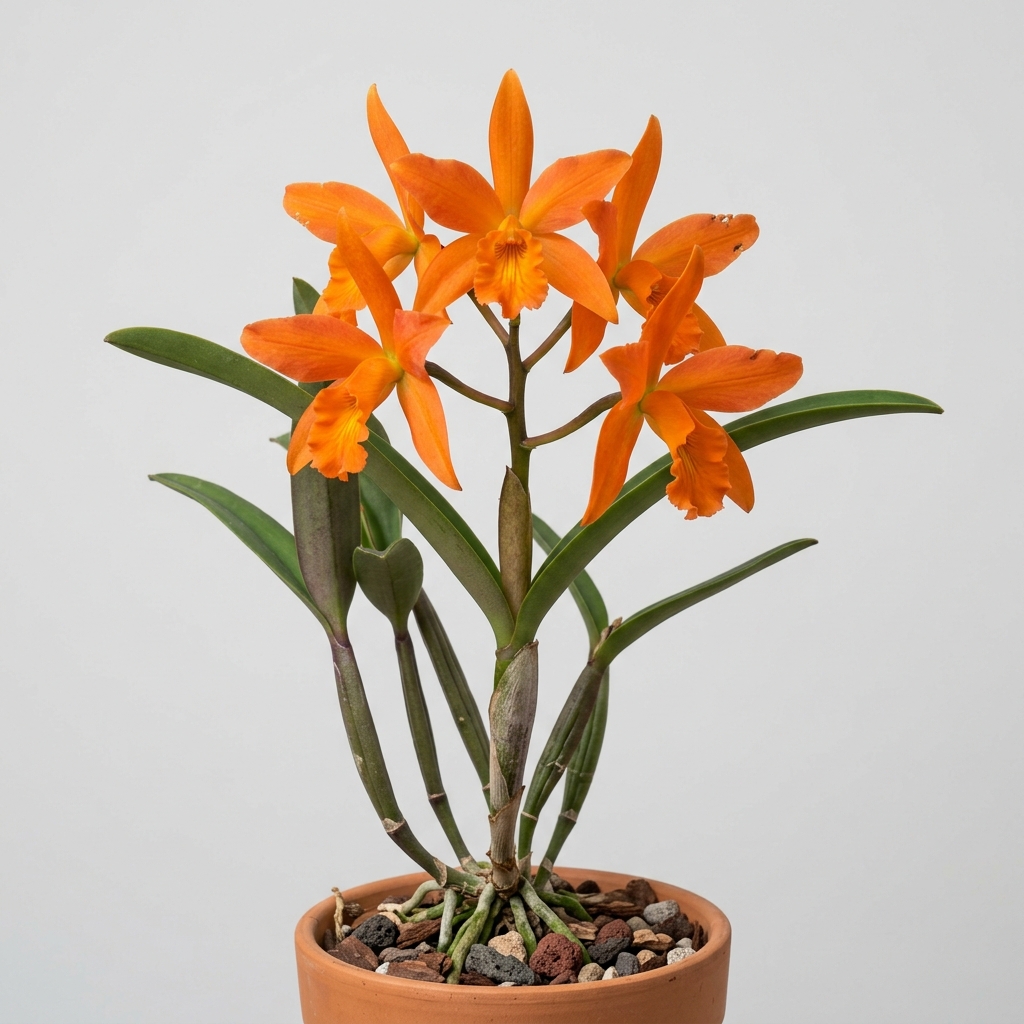
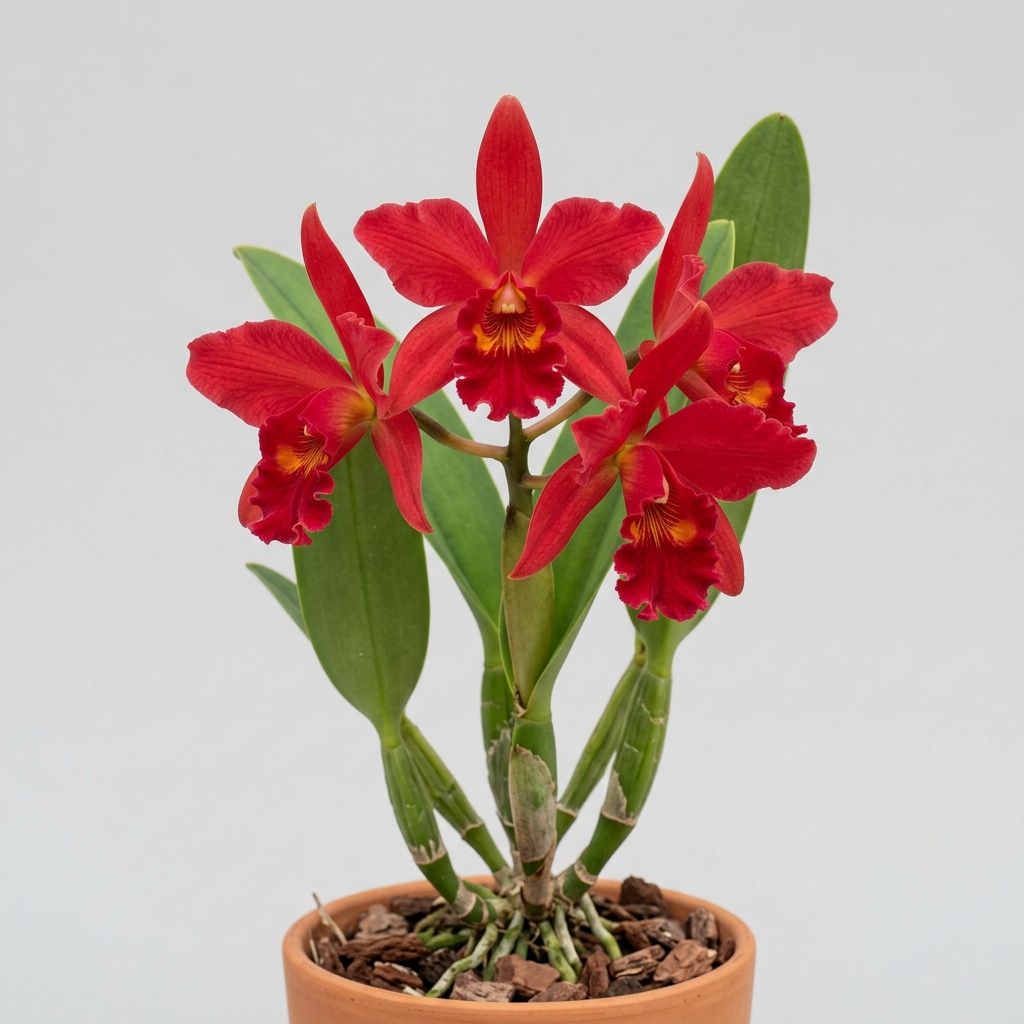
The blooms of Cattleya Crispata are renowned for their starry, crystalline texture and striking color contrast. Each inflorescence emerges from a green sheath at the apex of the pseudobulb, carrying several flowers held well above the foliage. The sepals and petals are typically narrow and spread wide, displaying shades ranging from pale lilac to deep magenta.
The defining feature of this species is its highly modified lip, or labellum. The lip is deeply three-lobed, with side lobes that wrap tightly around the column, while the mid-lobe flares outward with intensely ruffled, or crispate, margins. The throat of the lip often features a contrasting bright yellow or cream-colored disc, which serves as a visual guide for natural pollinators in the wild.
Fragrance & Bloom Profile
While some growers report a delicate, sweet fragrance during the warmest hours of the day, the scent profile of Cattleya Crispata is not consistently prominent or universally documented across all specimens. The primary appeal of this orchid remains its visual presentation rather than an intense perfume.
Individual flowers typically last between two to three weeks, provided they are kept in a cool, draft-free environment once fully open. The blooming cycle is highly dependent on the quality of light the plant received during its active growth phase in the preceding months.
Parentage & Hybrid Lineage
As a distinct naturally occurring species rather than a man-made hybrid, Cattleya Crispata possesses a stable genetic profile shaped by natural selection. However, its taxonomic history is complex, and it is frequently referenced in older literature as Laelia crispata or Sophronitis crispata.
In orchid hybridization, this species has been utilized to introduce star-like flower shapes, ruffled lips, and temperature tolerance into complex Cattleya alliance hybrids. When evaluating hybrid progeny, growers should note that the dominant rupicolous traits, such as the preference for inorganic media and high light, are often passed down to first-generation offspring.
🌱 Growing Conditions
Replicating the montane habitat of Cattleya Crispata is essential for long-term cultivation success. This orchid demands exceptionally bright light, significantly higher than what is recommended for standard epiphatic Cattleya hybrids. A bright south- or west-facing window, supplemented with high-output LED grow lights, is often necessary for indoor cultivation.
💡 Care Tip
Position this orchid in your brightest window or directly under high-intensity LED grow lights. The foliage should maintain a green hue with a slight reddish tint; solid dark green leaves indicate the plant is not receiving enough to trigger blooming.
Temperature management is equally critical. The plant thrives with warm daytime temperatures between 75 and 85 degrees Fahrenheit, coupled with a distinct nighttime drop to 55 or 60 degrees Fahrenheit. This diurnal temperature fluctuation mimics the cool mountain nights of its native habitat and is a primary trigger for flower bud development. Good air movement must be maintained at all times to prevent heat stress and fungal pathogens.
Watering, Feeding & Potting Media
Because Cattleya Crispata grows naturally on rocks with virtually no organic soil, its roots are adapted to dry out almost immediately after a rain shower. Consequently, traditional bark mixes that retain moisture for extended periods can quickly lead to root rot. Instead, growers should use highly porous, inorganic media such as lava rock, growstone, granite chips, or clay pellets, often housed in unglazed terracotta pots that facilitate rapid evaporation.
During the active spring and summer growing season, water the plant thoroughly, allowing the media to dry completely between applications. Apply a highly diluted, balanced orchid fertilizer weekly, or every two weeks, ensuring the salts are thoroughly flushed out with plain water periodically. In the winter, significantly reduce watering to a light misting to prevent the pseudobulbs from shriveling, and suspend all fertilizing until new growth emerges in spring.
Blooming Season & Care Notes
The typical blooming season for Cattleya Crispata spans from late spring to early summer. As the new pseudobulb matures, a green sheath will form at the base of the leaf. It is crucial to monitor this sheath; if humidity is too high or air circulation is poor, moisture can collect inside, causing the emerging buds to rot.
Once flowering is complete, allow the plant a brief period of rest. Repotting should only be performed when new root tips begin to emerge from the base of the newest pseudobulb. Because rupicolous orchids resent root disturbance, handle the root system with extreme care, and avoid repotting unless the potting medium has degraded or the plant has completely outgrown its container.
⚠️ Common Issues
⚠️ Common Mistake
The most frequent error is potting this orchid in standard, moisture-retentive sphagnum moss or fine bark. Because its roots are adapted to dry out almost instantly on exposed rock faces, excess moisture around the root zone will rapidly lead to fatal root rot.
- Root Rot:
Caused by overwatering or using a dense, organic potting medium that retains moisture too long. - Dehydration:
Indicated by severely shriveled pseudobulbs and leathery leaves, often due to a compromised root system that can no longer absorb water. - Bud Blast:
The sudden yellowing and dropping of flower buds before they open, usually triggered by rapid changes in temperature, low humidity, or drafts. - Scale and Mealybugs: Pests that hide in the dry sheaths surrounding the pseudobulbs; these sheaths should be gently peeled away once dry to eliminate hiding spots.
- Foliage Burn: Bleached or black spots on the leaves caused by sudden exposure to direct, unacclimated sunlight.
❓ Frequently Asked Questions
Why is my Cattleya Crispata not blooming?
The most common reason for a lack of blooms is insufficient light. This species requires very high light levels, often to the point where the leaves develop a slight reddish-purple tint. Additionally, ensure the plant experiences a distinct day-to-night temperature drop of 15 to 20 degrees Fahrenheit to trigger bud initiation.
What is the best potting medium for this orchid?
Unlike epiphytic orchids, this rupicolous species thrives in inorganic media such as lava rock, pumice, or granite chips mixed with a very small amount of coarse tree fern or bark. Excellent drainage and rapid drying are absolutely essential to keep the root system healthy.
How often should I water Cattleya Crispata during winter?
During its winter dormancy, watering should be severely restricted. Water only enough to prevent the pseudobulbs from shriveling excessively, which usually translates to a light watering or misting every two to three weeks, depending on your indoor humidity levels.
Can I grow this orchid under artificial LED lights?
Yes, but you must use high-output LED grow lights positioned relatively close to the plant to meet its high light requirements. Monitor the leaf color; a healthy Cattleya Crispata grown under proper light intensity should have light green leaves with a subtle reddish pigmentation along the margins.
⭐ Final Growing Notes
Cultivating Cattleya Crispata is a deeply rewarding endeavor for growers willing to accommodate its specialized montane requirements. By providing intense light, a distinct winter rest, and an inorganic, fast-draining growing medium, you can successfully replicate the rugged Brazilian highlands in your own home. The reward of its star-shaped, ruffled blossoms is well worth the disciplined care this unique rupicolous orchid demands.
⚕️ Health, Safety & Edibility
Understanding how a plant interacts with people, pets, and the surrounding environment is part of responsible cultivation. This section uses conservative, general guidance and does not replace professional medical or veterinary advice.
Human Safety: No published evidence currently identifies species-specific toxicity concerns for Cattleya Crispata during normal handling. As with most ornamental plants, it should not be intentionally consumed.
Pet Safety: Published information does not indicate that this orchid commonly poses a toxicity concern for cats or dogs. However, chewing leaves, flowers, roots, or potting media may still cause mild digestive upset.
Edibility: This orchid is cultivated for ornamental display rather than food. Ornamental plants may carry fertilizers, pesticides, or other horticultural treatments that make them unsuitable for consumption.
Skin Contact: Routine handling is not generally associated with skin irritation. Gardeners with sensitive skin may prefer wearing gloves when repotting, pruning, or handling potting media.
🌱 Propagation Tip
Propagate this species only by division when the plant has at least six to eight mature pseudobulbs. Ensure each division has at least three healthy pseudobulbs and active new root growth, as rupicolous orchids can be highly sensitive to root disturbance.
⭐ Expert Advice
Gently peel away the dry, paper-like sheaths from mature pseudobulbs. These sheaths can trap moisture against the plant and provide a prime hiding spot for pests like scale and mealybugs, which can damage emerging flower spikes.

Leave A Comment