
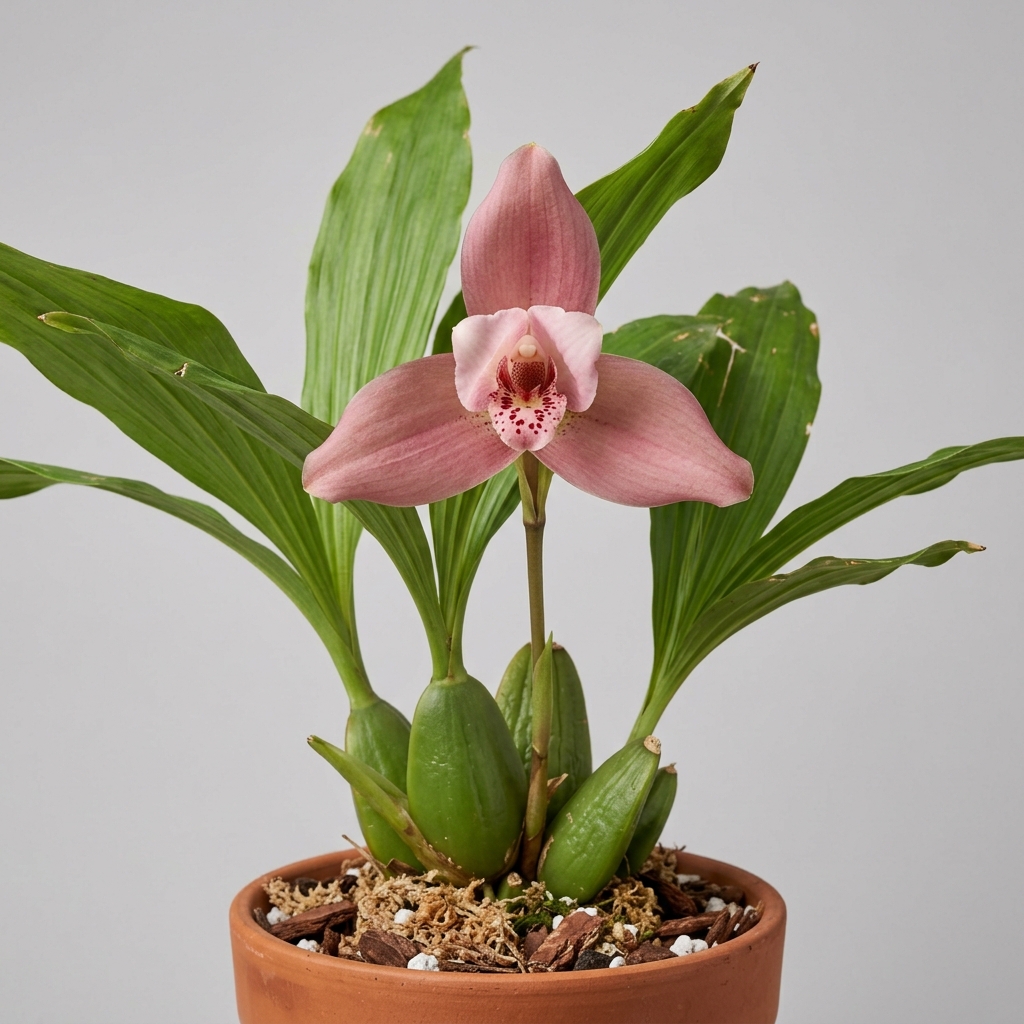
Lycaste Skinneri is a highly prized orchid species native to the cool, montane cloud forests of Central America. Renowned for its striking, triangular flowers and robust growth habit, this orchid features large, egg-shaped pseudobulbs topped with broad, pleated leaves. Collectors and enthusiasts value this species for its dramatic floral displays, which bring a touch of classic elegance to any specialized orchid collection.
While Lycaste Skinneri requires careful attention to seasonal moisture variations and humidity, its rewarding blooms make it a standout specimen. Understanding its natural habitat is key to successful cultivation, as this species thrives when its distinct growth and rest cycles are respected. Whether grown in a dedicated greenhouse or a carefully managed indoor space, it remains a favorite among intermediate and advanced orchid growers.
💡 Did You Know?
Lycaste Skinneri, particularly its pure white form known as the Monja Blanca or White Nun, holds a revered place in Central American culture and is celebrated as the national flower of Guatemala. This orchid has been protected by law in its native habitats for decades due to historical over-collection and its high ecological significance in montane cloud forests.
🌿 Botanical Overview
Lycaste Skinneri is characterized by its large, ovoid pseudobulbs that store water and nutrients, allowing the plant to survive seasonal dry spells in its native environment. These pseudobulbs are typically topped with two to three large, plicate (pleated) leaves that can grow up to two feet long. The leaves are semi-deciduous, often shedding naturally as the pseudobulbs mature and the plant enters its winter dormancy.
In the wild, this species grows as an epiphyte on moss-covered tree branches or as a lithophyte on steep, shaded rocky cliffs. These habitats are constantly bathed in mist and cool breezes, which keeps the root zone aerated and humid. Replicating these conditions in cultivation requires a balance of moisture, excellent drainage, and consistent air movement to prevent stagnant conditions around the root system.
🌸 Flower Characteristics
The flowers of Lycaste Skinneri are celebrated for their impressive size and heavy, waxy texture. Each inflorescence typically carries a single, large bloom that can measure up to six inches across. The sepals are broad and spreading, forming a distinct, elegant triangle that dominates the visual presentation. The petals are smaller, pointing forward to form a protective hood over the central column.
Coloration is highly variable but generally ranges from pale rose to deep pink, with some rare specimens exhibiting a pure, crystalline white. The three-lobed lip, or labellum, is often adorned with intricate spotting in shades of ruby red, yellow, or deep purple. This contrast adds depth and complexity to the flower, making it a highly photogenic subject for collectors.
Fragrance & Bloom Profile
The fragrance of Lycaste Skinneri is generally described as soft, sweet, and slightly spicy, reminiscent of lemon or clover. The scent is typically most pronounced during the morning hours when temperatures begin to rise and light levels increase. However, fragrance intensity can vary significantly depending on the specific clone, light intensity, and ambient humidity levels.
The blooms are remarkably long-lasting, often remaining in pristine condition for six to eight weeks if the plant is kept in cool, dry conditions. Because the flowers emerge from the base of the pseudobulbs on individual upright spikes, a mature plant with multiple leads can produce a spectacular, multi-flowered display over several weeks in late winter or early spring.
Parentage & Hybrid Lineage
Lycaste Skinneri is a distinct natural species rather than a man-made hybrid. However, its exceptional floral size and heavy substance have made it an invaluable parent in orchid breeding. It has been used extensively to create a wide array of popular intergeneric and intrageneric hybrids, passing on its desirable triangular form and pastel color palette to its offspring.
Because wild populations are protected and trade is strictly regulated, most plants available to hobbyists today are the result of line-breeding programs. These nursery-grown specimens often exhibit improved vigor and more symmetrical flower forms than their wild ancestors. When purchasing, growers should look for established, seed-grown plants from reputable nurseries to ensure conservation compliance.
🌱 Growing Conditions
To grow Lycaste Skinneri successfully, provide medium to bright indirect light. Filtered sunlight, such as that found under a sheer curtain or a shaded greenhouse bench, is ideal. Avoid direct midday sun, which can quickly scorch the thin, pleated leaves. If the leaves begin to turn a light yellow-green, the plant is receiving maximum tolerable light; dark green leaves indicate a need for slightly more light.
💡 Care Tip
Ensure your growing area has continuous, gentle air movement. The broad, pleated leaves of this orchid are highly susceptible to fungal leaf spot if moisture is allowed to sit on the foliage in stagnant air conditions.
Temperature control is critical for this cool-to-intermediate grower. Daytime temperatures should ideally range between 70°F and 75°F, with a distinct drop at night to 50°F or 55°F, especially during the autumn and winter months. High humidity of 60% to 80% must be maintained, coupled with constant, gentle air movement to prevent fungal pathogens from colonizing the foliage.
Watering, Feeding & Potting Media
During the active growing season in spring and summer, Lycaste Skinneri requires abundant water. The potting medium should be kept consistently damp but never waterlogged. Apply a balanced, highly diluted orchid fertilizer weekly to support the rapid development of new pseudobulbs and leaves. Flushing the pot with pure water once a month is recommended to prevent salt buildup.
As the new pseudobulbs reach maturity in late autumn, gradually reduce watering and stop fertilizing. During the winter rest period, water only enough to prevent the pseudobulbs from shriveling excessively. A well-draining potting mix is essential; a blend of medium-grade fir bark, perlite, and a small amount of sphagnum moss works well to retain light moisture while ensuring excellent root aeration.
Blooming Season & Care Notes
The primary blooming season for Lycaste Skinneri occurs between late winter and early spring. Flower spikes emerge from the base of the most recently matured pseudobulbs, often just as the plant is finishing its winter rest. During this time, take extra care not to get water on the developing buds, as trapped moisture can cause them to rot or drop prematurely.
Repotting should be performed in the spring, just as new growth begins to emerge from the base of the pseudobulbs but before new roots grow too long. This minimizes transplant shock. Use clean, sterilized tools and select a pot that allows for two years of growth, as Lycaste roots dislike frequent disturbance.
⚠️ Common Issues
⚠️ Common Mistake
A frequent error is continuing to water heavily during the winter months. Lycaste Skinneri requires a distinct dry rest period after its pseudobulbs mature; failing to reduce water can lead to rapid root rot and loss of blooms.
- Fungal leaf spot: The broad, pleated leaves are highly susceptible to black spots if water sits on the foliage or if air circulation is inadequate.
- Root rot: Overwatering during the cool winter rest period can quickly destroy the root system, leading to dehydrated pseudobulbs.
- Bud blast: Sudden changes in temperature, low humidity, or water droplets on developing buds can cause them to yellow and fall off before opening.
- Spider mites: These pests can infest the undersides of the thin leaves, particularly in dry indoor environments during the winter.
❓ Frequently Asked Questions
How do I know if my Lycaste Skinneri is getting enough water?
During the active growing season, the pseudobulbs should remain plump and firm. If you notice the pseudobulbs beginning to shrivel while the plant is actively growing, it is a sign that the root system is dry or has been damaged by overwatering. Adjust your watering schedule to ensure the medium stays evenly moist but not soggy.
Why does my orchid lose its leaves in the winter?
Lycaste Skinneri is a semi-deciduous species. It is entirely natural for the leaves on older pseudobulbs to turn yellow and drop off during the autumn and winter rest period. This leaf loss allows the plant to conserve energy and prepare for its upcoming blooming cycle from the base of the mature pseudobulbs.
Can I grow Lycaste Skinneri under LED grow lights?
Yes, this orchid can be grown successfully under LED lights, provided the light spectrum is appropriate for flowering plants and the intensity is kept at a moderate level. Ensure the fixtures do not generate excess heat, as maintaining cool night temperatures is vital for the health and bloom initiation of this species.
What should I do if the pseudobulbs shrivel during the winter rest?
Slight shriveling of the pseudobulbs during the winter rest is normal and should not cause alarm. However, if they become severely wrinkled or flattened, give the plant a light watering to hydrate the root zone slightly. Avoid heavy watering, as the roots are semi-dormant and cannot absorb large amounts of moisture.
⭐ Final Growing Notes
Lycaste Skinneri remains one of the most rewarding cool-growing orchids for dedicated hobbyists. By respecting its seasonal cycles of robust summer growth and cool, dry winter rest, you will be rewarded with spectacular, long-lasting blooms year after year. Its unique triangular form and classic elegance make it a true crown jewel of the orchid world.
⚕️ Health, Safety & Edibility
Understanding how a plant interacts with people, pets, and the surrounding environment is part of responsible cultivation. This section uses conservative, general guidance and does not replace professional medical or veterinary advice.
Human Safety: Species-specific human toxicity data for Lycaste Skinneri is limited. Use conservative handling practices and avoid intentional consumption.
Pet Safety: Pet-specific safety information for Lycaste Skinneri is limited, so keep it away from animals that commonly chew plants.
Edibility: Lycaste Skinneri should not be treated as edible. Ornamental specimens may contain natural irritants or horticultural residues that make them unsuitable for consumption.
Skin Contact: Skin irritation is not well documented for this plant, but gloves are sensible when repotting, pruning, or handling potting media.
🌱 Propagation Tip
This orchid is best propagated by division during the spring repotting cycle. Ensure each division contains at least three healthy, mature pseudobulbs with an active lead growth to guarantee successful establishment in the new container.
⭐ Expert Advice
To encourage robust blooming, aim for a significant drop of 10 to 15 degrees Fahrenheit between day and night during the autumn months. This thermal shift mimics its native cloud forest environment and triggers flower spike initiation.

Leave A Comment