
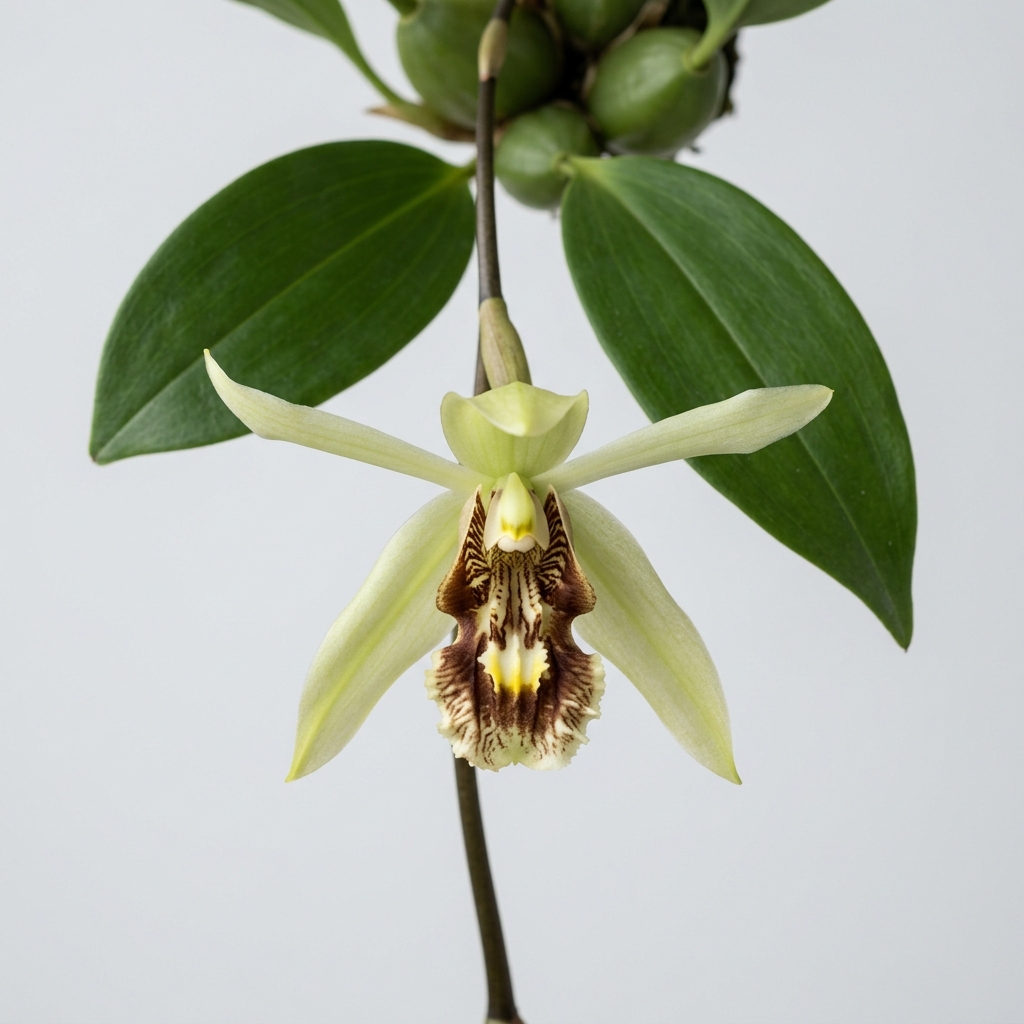
Coelogyne Speciosa is a captivating epiphytic orchid species highly prized by collectors for its large, exotic blooms and relatively compact growth habit. Native to the damp, montane forests of Southeast Asia, particularly Indonesia and Malaysia, this orchid features prominent, rounded pseudobulbs topped with single, lush green leaves. Its distinctive pendulous flowering habit allows the heavy, intricate blossoms to hang gracefully, making it an useful selection for hanging baskets or elevated mounts where the flowers can be appreciated from below.
Growers are particularly drawn to this species because of its reliable blooming nature and the striking contrast of its floral parts. Unlike many orchids that demand highly specialized greenhouse conditions, Coelogyne Speciosa adapts reasonably well to intermediate home or intermediate-to-warm grow room environments. Its moderate care requirements, combined with its fascinating, textured lip and subtle fragrance, make it an excellent choice for orchid enthusiasts looking to expand their collection beyond more common genera.
💡 Did You Know?
Coelogyne Speciosa is notable for its sequential blooming habit on a single inflorescence. While some orchids open all their flowers at once, this species often produces one flower after another. This adaptation extends the overall blooming period of a single spike, allowing growers to enjoy the exotic, highly detailed blossoms over several consecutive weeks.
🌿 Botanical Overview
Coelogyne Speciosa is characterized by its sympodial growth pattern, producing clustered, ovoid to globose pseudobulbs that store water and nutrients. Each pseudobulb typically supports a single, plicate (pleated) leaf that is leathery and deep green. This structural adaptation helps the plant survive brief dry spells in its natural habitat, where it grows as an epiphyte on mossy tree trunks or occasionally as a lithophyte on damp rocks.
The root system of this orchid is relatively fine but extensive, spreading through moss and organic debris. In cultivation, maintaining a healthy root system is paramount, as the plant relies on consistent moisture without becoming waterlogged. The overall growth habit is robust yet tidy, allowing it to fit comfortably on windowsills or under artificial lights.
🌸 Flower Characteristics
The flowers of Coelogyne Speciosa are remarkably large relative to the size of the plant, often measuring up to ten centimeters across. The sepals and petals are typically a translucent pale green, cream, or light yellow, providing a soft backdrop for the highly dramatic labellum (lip). The lip is the defining feature of the bloom, showcasing intricate ridges, fringes, and deep coloration that ranges from rich chocolate brown and burnt orange to pure white and yellow.
Each short, arching inflorescence usually produces one to three flowers sequentially or simultaneously. The heavy, fleshy texture of the blooms gives them a sculptural quality, and they are presented in a nodding or pendulous fashion that invites close inspection of the complex interior markings.
Fragrance & Bloom Profile
The fragrance of Coelogyne Speciosa is a subject of much appreciation among growers, though its intensity and profile can vary based on environmental conditions and individual plant clones. It is most commonly described as a mild, sweet, or slightly musky scent that is most noticeable during the morning hours when temperatures begin to rise.
Individual flowers can last for several weeks if kept in cool, stable conditions. Because the plant can bloom at various times throughout the year, a mature specimen can provide multiple flushes of flowers, ensuring that the grower is rarely without a display of these unique, fragrant blossoms.
Parentage & Hybrid Lineage
As a naturally occurring species rather than a man-made hybrid, Coelogyne Speciosa possesses a stable genetic lineage documented across its native range in Sumatra, Java, and Borneo. However, variations within the species do exist, leading to different recognized varieties or forms with slight differences in flower size and lip coloration.
In orchid hybridization, this species has been used as a parent to introduce large flower size, robust growth, and intricate lip patterns to its offspring. When researching hybrids derived from this species, growers should note that parentage records in older literature can sometimes be inconsistent, and modern DNA sequencing continues to refine the classification of the genus Coelogyne.
🌱 Growing Conditions
To cultivate Coelogyne Speciosa successfully, growers should aim to replicate its native montane forest environment. It thrives in medium to bright indirect light, similar to the conditions preferred by many Phalaenopsis or light-loving Paphiopedilum species. Direct afternoon sun should be avoided to prevent the pleated leaves from scorching.
💡 Care Tip
Maintain high levels of sixty to eighty percent around your orchid by using a humidifier or placing the pot on a tray filled with wet pebbles. Adequate is crucial for preventing the pleated leaves from sticking together as they emerge and for ensuring the large, heavy flower buds open fully without blasting.
Temperature: wise, this orchid prefers intermediate to warm conditions, with daytime temperatures ranging from twenty-one to twenty-eight degrees Celsius, and a slight drop at night to stimulate healthy growth and blooming. High humidity of sixty to eighty percent is ideal, coupled with constant, gentle air movement to prevent fungal pathogens from settling on the damp foliage.
Watering, Feeding & Potting Media
Coelogyne Speciosa requires a potting medium that retains moisture while offering excellent drainage. A mix of medium-grade fir bark, sphagnum moss, and perlite or charcoal works exceptionally well. Some growers prefer to mount the plant on cork bark or tree fern slabs, provided they can maintain the necessary high humidity and water frequently enough to prevent dehydration.
Watering should be frequent and thorough during the active growing season, keeping the medium evenly moist but never soggy. Reduce watering slightly during the cooler winter months, allowing the medium to approach dryness between waterings without letting the pseudobulbs shrivel excessively. Feed with a balanced, diluted orchid fertilizer every two to three weeks during active growth, flushing the pot with pure water periodically to prevent salt buildup.
Blooming Season & Care Notes
Unlike orchids with a strict annual blooming cycle, Coelogyne Speciosa is known for its opportunistic blooming habit. Flowers can emerge from the center of newly developing leads at almost any time of the year, though peak activity often occurs in spring and autumn.
When a new growth begins to mature, avoid getting water trapped in the emerging leaf sheath, as this can cause the developing flower bud to rot. After blooming is complete, leave the flower spike intact until it turns brown and dry, as cutting it too early can open pathways for infection. Repotting is best done immediately after flowering when new root growth is just beginning from the base of the newest pseudobulb.
⚠️ Common Issues
⚠️ Common Mistake
A frequent error is allowing water to collect and sit in the center of new, emerging leaf growths. Because the leaves are deeply pleated and form a tight cup when young, trapped water can easily lead to crown rot or cause the developing flower buds to decay before they can emerge.
- Root Rot: Caused by overwatering or a compacted, decomposing potting medium that suffocates the roots.
- Leaf Spotting: Fungal or bacterial spots can develop if water sits on the pleated leaves overnight or if air circulation is poor.
- Bud Blast: Developing buds may yellow and drop prematurely due to sudden changes in temperature, low humidity, or drafty conditions.
- Pseudobulb Shriveling: A sign of underwatering or root loss; if the roots have rotted, the plant cannot absorb moisture, leading to shriveled bulbs.
- Pests: Spider mites, mealybugs, and scale can occasionally hide in the crevices of the pseudobulbs or on the undersides of the leaves.
❓ Frequently Asked Questions
How often should I water my Coelogyne Speciosa?
Water your orchid when the potting medium is nearly dry but still retains a touch of moisture. During the active growing season, this typically translates to once or twice a week, depending on your home’s humidity and temperature. Always check the moisture level of the medium rather than watering on a strict calendar schedule.
Why are the pseudobulbs on my orchid shriveling?
Shriveling pseudobulbs usually indicate dehydration, which can stem from two opposite causes: underwatering or root rot. If the potting medium is dry, increase watering frequency. If the medium is wet, unpot the plant to check for soft, brown, rotted roots that are preventing water absorption, and repot into fresh media.
Can I grow Coelogyne Speciosa under artificial LED lights?
Yes, this species adapts very well to indoor cultivation under LED grow lights. Position the plant so it receives moderate light levels, ensuring the leaves do not feel hot to the touch. Adjust the light height or intensity if you notice the leaves turning yellow or developing scorched patches.
What is the best potting medium for this orchid?
A well-draining yet moisture-retentive mix is ideal. A combination of medium-grade orchid bark, long-fiber sphagnum moss, and perlite provides the perfect balance of aeration and moisture retention. Ensure the pot has ample drainage holes to prevent water from pooling at the bottom.
⭐ Final Growing Notes
Coelogyne Speciosa remains a highly rewarding species for both intermediate and advanced orchid growers. By providing consistent moisture, moderate light, and high humidity, you will be rewarded with a steady display of dramatic, intricately detailed flowers throughout the year. Its unique pendulous blooms and manageable growth habit make it a standout addition to any indoor orchid collection or greenhouse display.
⚕️ Health, Safety & Edibility
Understanding how a plant interacts with people, pets, and the surrounding environment is part of responsible cultivation. This section uses conservative, general guidance and does not replace professional medical or veterinary advice.
Human Safety: This orchid is generally considered non-toxic to humans.
Pet Safety: It is widely regarded as safe for cats and dogs, with no known toxic compounds.
Edibility: Ornamental orchids are not intended for consumption, and edibility is not well documented.
Skin Contact: Handling the plant rarely causes irritation, though sensitive individuals should wash their hands after repotting.
Eye Contact: Avoid contact with eyes, as plant sap or potting dust.
Pet Safety: keep plant material away from.
🌱 Propagation Tip
Propagate this orchid by division during repotting, ensuring each new division has at least three to four healthy, mature pseudobulbs with active root systems. Avoid dividing the plant into too many small pieces, as larger specimens recover much faster and return to blooming size far more quickly than single-bulb divisions.
⭐ Expert Advice
To encourage optimal blooming, provide a slight drop in of about five degrees Celsius between day and night. This natural fluctuation mimics the montane forest conditions of its native habitat and acts as a powerful trigger for the plant to initiate new flower spikes from its developing pseudobulbs.




Leave A Comment