
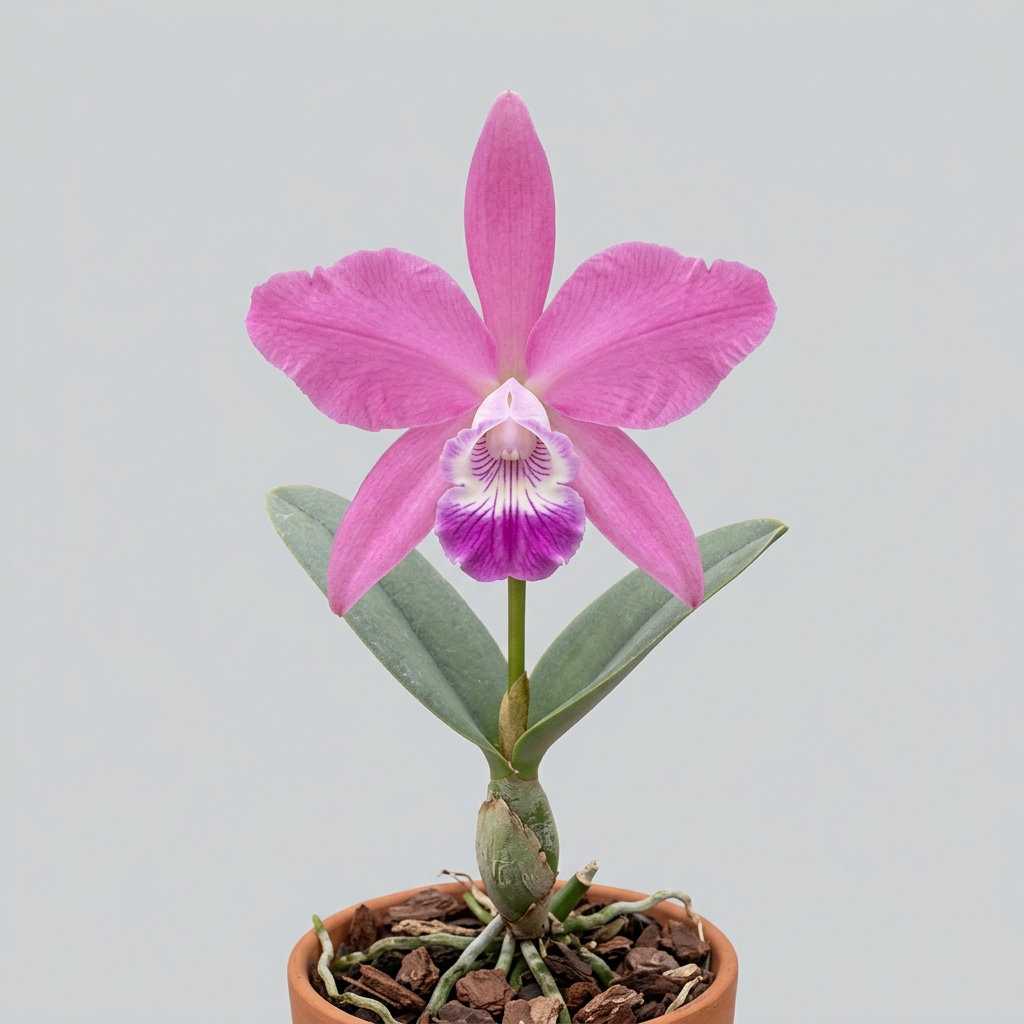
Laelia Speciosa, commonly known as the showy Laelia, is a highly prized orchid species native to the high-altitude oak forests of Mexico. Renowned for its exceptionally large, vibrant blossoms relative to its compact pseudobulbs, this orchid has captured the admiration of collectors and growers worldwide. Its striking appearance and resilient nature in its native habitat make it a standout representative of the genus Laelia.
Cultivating this species successfully requires an understanding of its distinct seasonal growth cycle, which transitions from a dry, cool winter rest to a warm, moist summer growing period. While it can present challenges for beginners, providing the correct balance of intense light, sharp drainage, and seasonal watering rewards the grower with some of the most spectacular flowers in the orchid family.
💡 Did You Know?
In its native Mexican habitats, Laelia Speciosa is traditionally known as Flor de Mayo (May Flower) because its spectacular blooms reliably open in late spring. Local communities have historically used the mucilage from its pseudobulbs as a natural adhesive and in traditional crafts, highlighting its cultural significance beyond modern horticulture.
🌿 Botanical Overview
Laelia Speciosa is a sympodial epiphyte characterized by its clustered, egg-shaped to globose pseudobulbs, which are typically topped by one or two leathery, grey-green leaves. In the wild, these plants grow on the rough bark of deciduous oak trees at elevations ranging from 1,400 to 2,400 meters above sea level. This high-altitude habitat exposes the plants to intense sunlight, cool temperatures, and significant seasonal variations in moisture.
The evolutionary adaptations of Laelia Speciosa allow it to withstand prolonged periods of drought. Its thick, water-storing pseudobulbs and tough, waxy leaves are designed to conserve moisture during the dry winter months when rainfall is virtually non-existent in its native range. Understanding these natural conditions is key to replicating its environment in a greenhouse or indoor growing space.
🌸 Flower Characteristics
The flowers of Laelia Speciosa are remarkably large, often reaching up to 10 to 15 centimeters in diameter, which is exceptionally large compared to the modest size of the plant itself. The petals and sepals are typically a soft rose-pink to deep lilac-purple, displaying a delicate, almost translucent texture. The prominent lip, or labellum, is three-lobed with a white or pale yellow throat, beautifully marked with purple veins and a wavy, darker margin.
Flowers are produced on short, upright inflorescences that emerge from the center of the newly developing growth. Each spike usually carries one to three blossoms, which are presented proudly above the foliage. The sheer scale and vivid coloration of the flowers make a blooming specimen an unforgettable sight.
Fragrance & Bloom Profile
This species is widely celebrated for its sweet, floral fragrance, which many growers liken to the scent of violets or sweet plums. The perfume is most pronounced during the morning hours when temperatures begin to rise and light levels increase. A single blooming plant can easily fill a small greenhouse or grow room with its pleasant aroma.
The blooms typically last for two to three weeks, depending on environmental conditions. Cooler temperatures and moderate humidity during the flowering period can help extend the life of the blossoms, while excessive heat or dry drafts may cause them to fade prematurely.
Parentage & Hybrid Lineage
As a distinct, naturally occurring species rather than a man-made hybrid, Laelia Speciosa possesses a pure genetic lineage. It has been used selectively in orchid breeding programs to introduce its large flower size, vibrant pink-purple coloration, and cold tolerance to intergeneric hybrids, particularly within the Cattleya alliance.
However, hybridizing with Laelia Speciosa can be challenging due to its specific growth cycle and slow growth rate. Consequently, registered hybrids featuring this species as a direct parent are relatively uncommon compared to other Laelia species, making pure specimens highly sought after by species purists and collectors.
🌱 Growing Conditions
To thrive, Laelia Speciosa demands high light intensity, comparable to that required by many Cattleya species. Bright, filtered sunlight with some direct morning sun is ideal, though protection from intense midday summer sun is necessary to prevent leaf scorch. Inadequate light is the most common reason for a failure to bloom.
💡 Care Tip
Position your orchid where it receives maximum air movement and bright, filtered . If growing indoors, a south- or west-facing window with a sheer curtain is ideal, supplemented by a small fan to keep air circulating constantly around the foliage.
Temperature management is critical. The orchid prefers warm to intermediate temperatures during its summer active growth phase, ranging from 20°C to 28°C (68°F to 82°F). In winter, it requires a distinct cool period, with night temperatures dropping to 8°C to 12°C (46°F to 54°F). Good air circulation is essential at all times to prevent stagnant air and reduce the risk of fungal infections.
Watering, Feeding & Potting Media
Watering must strictly follow the plant’s seasonal rhythm. During the active growing season in spring and summer, water copiously, allowing the potting medium to dry out slightly between waterings. Apply a balanced, diluted orchid fertilizer weekly or bi-weekly during this active phase to support new pseudobulb development.
Because of its epiphytic nature, Laelia Speciosa requires an extremely free-draining medium. Coarse fir bark, tree fern fiber, or charcoal mixtures in clay pots are highly effective. Alternatively, mounting the plant on cork bark or oak branches replicates its natural growth habit beautifully, though mounted plants will require more frequent watering during the summer.
Blooming Season & Care Notes
The primary blooming season for Laelia Speciosa occurs in late spring to early summer, coinciding with the emergence of new growth. As the new shoot begins to develop, the flower spike emerges from its center before the pseudobulb is fully formed.
Once flowering is complete, the plant enters its main vegetative growth phase, during which it produces new roots and matures its pseudobulbs. Repotting or remounting should only be performed during this post-bloom period when active new root tips are visible, minimizing transplant shock.
⚠️ Common Issues
⚠️ Common Mistake
The most common error is the plant during its winter dormancy. Keeping the medium wet when temperatures are cool and the plant is inactive will rapidly lead to root rot, which can be fatal to this dry-loving species.
- Root rot: Caused by overwatering during the winter rest period or using a degraded, water-retentive medium.
- Failure to bloom: Usually a result of insufficient light during the growing season or a lack of a cool, dry winter rest.
- Pests: Scale insects and mealybugs can hide in the dry sheaths of the pseudobulbs; inspect regularly and treat with horticultural soap.
- Bud blast: Sudden changes in temperature, humidity, or drafts can cause developing buds to yellow and drop.
- Dehydration: Shriveled pseudobulbs during the summer indicate underwatering or a compromised root system.
❓ Frequently Asked Questions
How do I trigger blooming in Laelia Speciosa?
Triggering blooms requires providing a strict, dry winter rest with cool temperatures and high light. Reduce watering significantly from late autumn until new growth appears in spring, only misting occasionally to prevent extreme shriveling.
Can Laelia Speciosa be grown mounted?
Yes, mounting on cork bark or hardwood plaques is highly recommended. This method mimics its natural epiphytic habit on oak trees, ensuring excellent drainage and air circulation around the roots, though it requires more frequent watering in summer.
Why are the pseudobulbs on my orchid shriveling?
Slight shriveling during the winter rest is normal and expected. However, severe shriveling during the summer active growth phase indicates either underwatering or root loss due to overwatering and poor drainage.
What type of fertilizer is best for this species?
Use a balanced, water-soluble orchid fertilizer diluted to one-quarter or one-half strength. Apply only during the active spring and summer growing season, and flush the medium with pure water periodically to prevent salt buildup.
⭐ Final Growing Notes
Laelia Speciosa remains one of the most rewarding species for dedicated orchid enthusiasts. By respecting its evolutionary need for a dry winter rest and providing bright, airy conditions, growers can enjoy the spectacular contrast of delicate, fragrant, oversized blossoms emerging from compact, rugged foliage year after year.
⚕️ Health, Safety & Edibility
Understanding how a plant interacts with people, pets, and the surrounding environment is part of responsible cultivation. This section uses conservative, general guidance and does not replace professional medical or veterinary advice.
Human Safety: No published evidence currently identifies species-specific toxicity concerns for Laelia Speciosa during normal handling. As with most ornamental plants, it should not be intentionally consumed.
Pet Safety: Published information does not indicate that this orchid commonly poses a toxicity concern for cats or dogs. However, chewing leaves, flowers, roots, or potting media may still cause mild digestive upset.
Edibility: This orchid is cultivated for ornamental display rather than food. Ornamental plants may carry fertilizers, pesticides, or other horticultural treatments that make them unsuitable for consumption.
Skin Contact: Routine handling is not generally associated with skin irritation. Gardeners with sensitive skin may prefer wearing gloves when repotting, pruning, or handling potting media.
🌱 Propagation Tip
Propagation is best achieved by division of mature clumps during repotting. Ensure each division has at least three to four healthy, mature pseudobulbs with active eye buds. Avoid dividing the plant too frequently, as larger specimens bloom much more reliably.
⭐ Expert Advice
To achieve the best bloom quality, mimic the high-altitude drops of its native habitat. A differential of 10 degrees Celsius (15 to 20 degrees Fahrenheit) between day and night during the autumn and winter months is highly effective at initiating flower buds.

Leave A Comment