
Cattleya Guatemalensis is a highly celebrated orchid within the horticultural community, prized for its striking clusters of vibrant blossoms and exceptionally robust growth habit. As a naturally occurring hybrid, this bifoliate orchid combines the most desirable traits of its parent species, resulting in a plant that is both visually captivating and remarkably resilient. Orchid enthusiasts value it for its ability to produce dense heads of flowers that display a beautiful spectrum of warm tones, making it a standout specimen in any collection.
In cultivation, this orchid is widely regarded as an excellent choice for intermediate growers looking to expand their collection of classic Cattleya-type orchids. Its adaptable nature allows it to thrive in a variety of home and greenhouse environments, provided its basic requirements for light, humidity, and wet-to-dry watering cycles are met. With proper care, Cattleya Guatemalensis rewards growers with a spectacular seasonal display that embodies the lush beauty of its native Central American habitats.
💡 Did You Know?
Cattleya Guatemalensis is a famous natural hybrid resulting from the wild cross-pollination of Cattleya aurantiaca and Cattleya skinneri. Because its parent species can exhibit a wide range of colors from bright orange to deep lavender, individual plants of this hybrid can display incredibly diverse floral hues, ranging from soft peach and bronze to vibrant coral.
🌿 Botanical Overview
Botanically recognized as a natural hybrid, Cattleya Guatemalensis represents a spontaneous cross that occurs where the ranges of its parent species overlap in the wild. It shows a classic sympodial growth pattern, producing upright, club-shaped pseudobulbs that are typically topped by two thick, leathery, oblong leaves. This bifoliate leaf structure is characteristic of many robust Cattleya species and helps the plant conserve moisture in its native canopy environments.
In its native habitats throughout Central America, particularly in Guatemala, this orchid grows epiphytically on tree trunks and large branches, where it is exposed to excellent air circulation and dappled sunlight. The root system is highly adapted to this lifestyle, featuring a thick layer of velamen that rapidly absorbs atmospheric moisture and nutrients before drying out quickly in the surrounding breeze.
🌸 Flower Characteristics
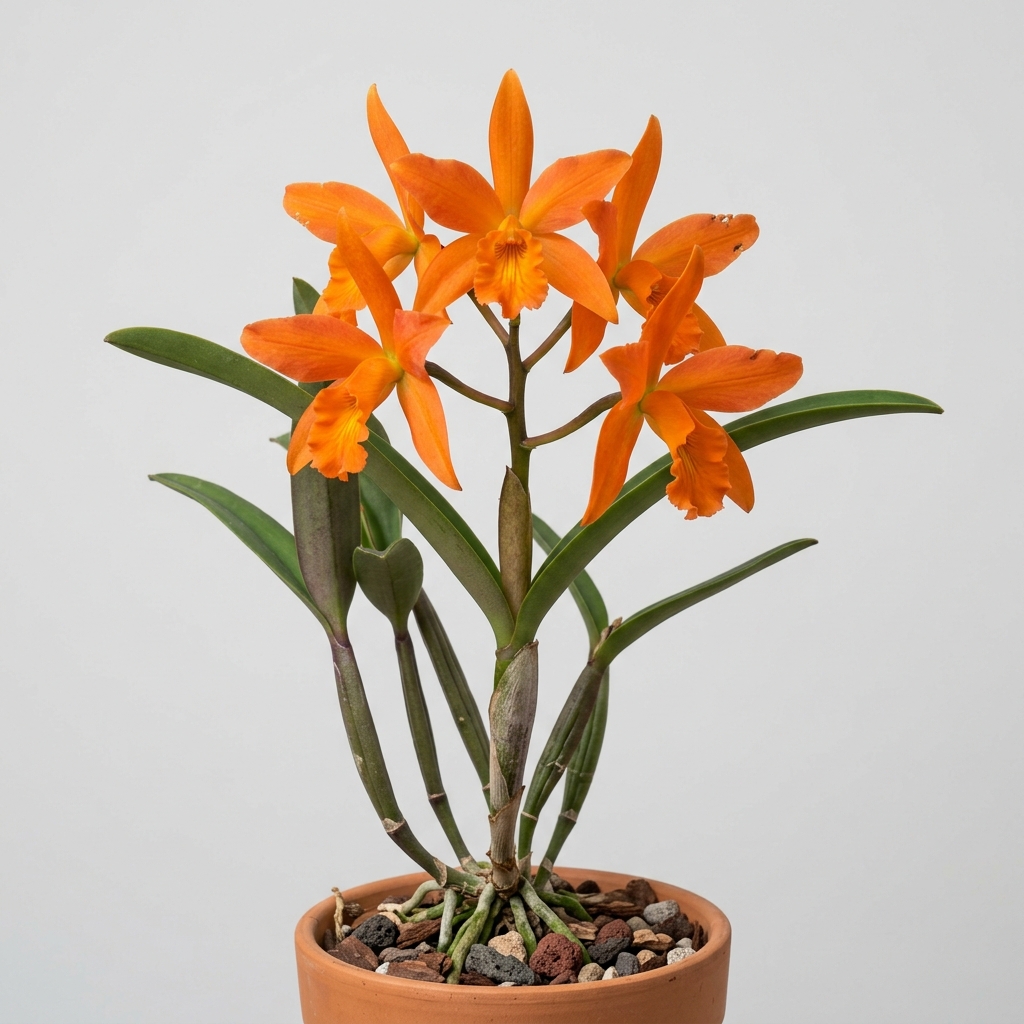
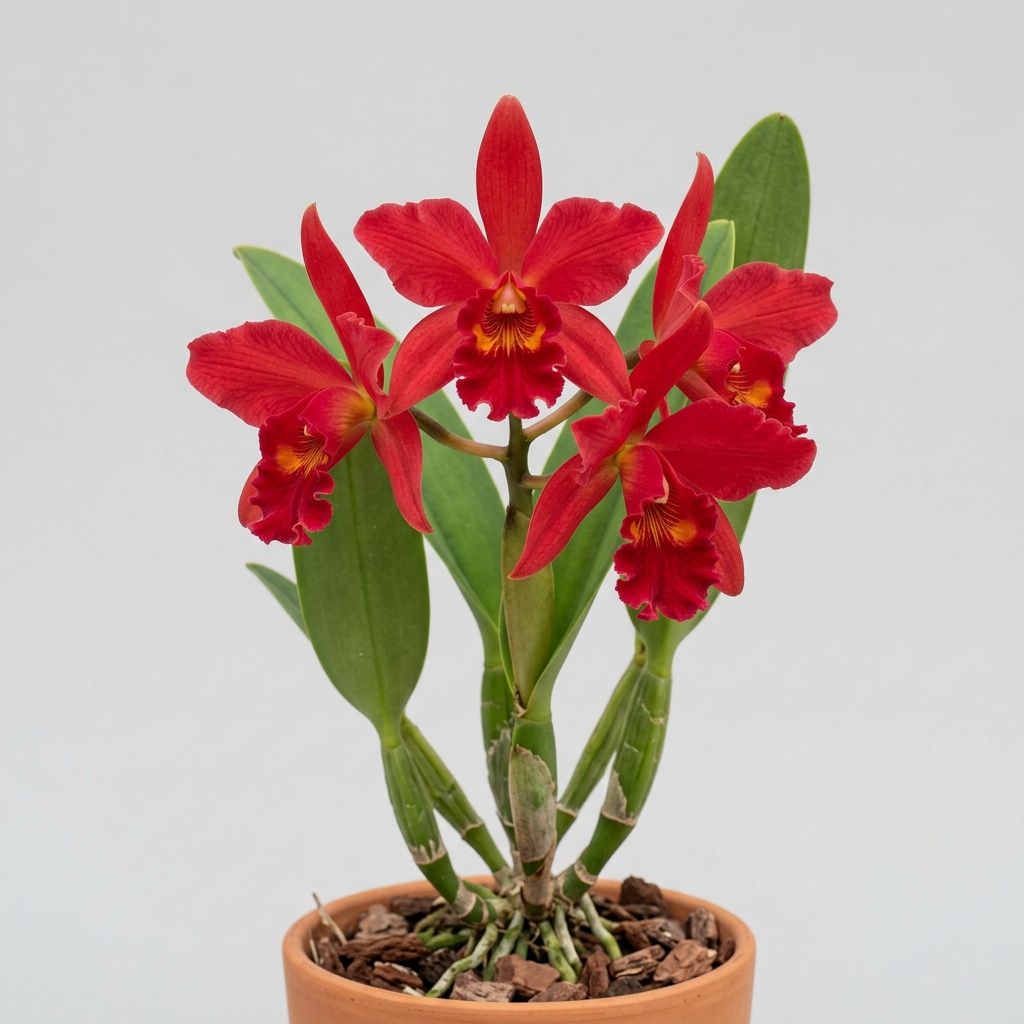
The flowers of Cattleya Guatemalensis are borne in spectacular, crowded clusters on terminal spikes that emerge from a protective sheath at the apex of mature pseudobulbs. Each inflorescence can carry anywhere from a few to over a dozen medium-sized blossoms, creating a dense head of color. The petals and sepals are typically slender and elegant, spreading wide to showcase the central lip.
One of the most fascinating aspects of this orchid is its color variability. Because it is a natural hybrid, the floral coloration can range from soft pastel peaches and bronzes to intense corals, oranges, and purples. The lip, or labellum, is moderately trumpet-shaped, often featuring a contrasting yellow or gold throat with delicate veining, which serves as a visual guide for natural pollinators.
Fragrance & Bloom Profile
While some Cattleya species are famous for their overpowering perfumes, the fragrance of Cattleya Guatemalensis is generally more refined and subtle. Many growers report a delicate, sweet, floral scent that is most noticeable during the morning hours when temperatures begin to rise. However, because individual plants can vary significantly due to their hybrid nature, some specimens may possess a stronger fragrance while others are virtually unscented.
The blooms are relatively long-lasting for a Cattleya, often remaining fresh and vibrant for three to five weeks under optimal environmental conditions. To maximize the lifespan of the flowers, it is advisable to keep the plant in a slightly cooler location with stable humidity once the buds have fully opened, avoiding direct drafts or sudden temperature fluctuations.
Parentage & Hybrid Lineage
Cattleya Guatemalensis is widely documented as the natural hybrid between Cattleya aurantiaca and Cattleya skinneri. In recent botanical reclassifications, both parent species have been moved by some taxonomists to the genus Guarianthe, which would technically make this plant Guarianthe x guatemalensis. However, in the commercial orchid trade and among hobbyists, the name Cattleya Guatemalensis remains highly prevalent and widely accepted.
This parentage explains the orchid’s exceptional vigor and floriferousness. Cattleya aurantiaca contributes its bright orange coloration, compact flower shape, and hardy constitution, while Cattleya skinneri brings larger flower size, cluster-blooming habits, and shades of rose-purple. The resulting hybrid beautifully bridges these traits, offering a unique color palette that is rarely seen in pure species.
🌱 Growing Conditions
To cultivate Cattleya Guatemalensis successfully, growers should strive to replicate its bright, airy canopy home. It requires bright, filtered light to thrive and bloom consistently. A southern or eastern exposure protected by a sheer curtain is often ideal. Healthy leaves should maintain a light, grassy green color; dark green leaves suggest insufficient light, while yellowing or scorched patches indicate excessive direct sun.
💡 Care Tip
Provide this orchid with bright, filtered , aiming for a green leaf color. If the leaves turn dark green, the plant is not receiving enough to bloom, while yellowing leaves indicate excessive exposure.
Temperature: wise, this orchid prefers intermediate to warm conditions. Ideal daytime temperatures range from 70 to 85 degrees Fahrenheit, with a nighttime drop of about 10 to 15 degrees to help stimulate flower bud development. High humidity between 50% and 70% is highly beneficial, but it must always be accompanied by strong, continuous air movement to prevent stagnant air pockets and fungal issues.
Watering, Feeding & Potting Media
Watering should be approached with a “soak and dry” strategy. During the active growing season in spring and summer, water the orchid thoroughly, allowing water to run freely through the pot, and then allow the medium to dry out almost completely before watering again. In the winter, when growth slows, reduce the watering frequency significantly, providing just enough moisture to keep the pseudobulbs from shriveling.
A highly porous, fast-draining potting medium is essential for this epiphytic species. A mix composed primarily of medium to coarse fir bark, blended with horticultural charcoal and perlite, works exceptionally well. Alternatively, experienced growers in humid environments often successfully mount this orchid on cork bark or tree fern plaques, which allows the roots to dry rapidly and mimic their natural growth habit.
Blooming Season & Care Notes
The primary blooming season for Cattleya Guatemalensis occurs from late winter through spring, aligned with the natural increase in day length and temperature. As the new pseudobulbs mature in the autumn, they will develop a green sheath at their apex. It is crucial to monitor this sheath; if moisture becomes trapped inside, it can cause the emerging buds to rot, so some growers carefully slit the top of the sheath if condensation is observed.
After the blooming cycle is complete, the orchid will enter a brief period of rest before initiating new root and shoot growth. This active growth phase, typically in late spring or early summer, is the absolute best time to repot the plant if the potting medium has begun to break down or if the plant has outgrown its container. Avoid repotting when the plant is in bud or during its winter rest.
⚠️ Common Issues
⚠️ Common Mistake
The most common mistake is overwatering or potting in a heavy, water-retaining medium. This orchid requires excellent drainage and its roots must dry out rapidly to prevent root rot.
- Root Rot:
Caused by overwatering or a degraded, compacted potting medium that retains too much moisture around the roots. - Bud Blast:
The sudden yellowing and dropping of flower buds before they open, usually triggered by rapid changes in temperature, low humidity, or drafts. - Scale and Mealybugs: Common pests that hide in the crevices of pseudobulbs and under the dry sheaths; treat promptly with insecticidal soap or horticultural oil.
- Leaf Sunburn: Bleached or black, dry patches on the leaves resulting from sudden exposure to intense, direct sunlight without acclimation.
- Pseudobulb Shrinking: A sign of dehydration, which can be caused either by underwatering or by root loss due to rot, leaving the plant unable to absorb water.
❓ Frequently Asked Questions
How often should I water my Cattleya Guatemalensis?
Watering frequency depends heavily on your home’s temperature, humidity, and the potting medium used. As a general rule, water thoroughly once every 7 to 10 days during the growing season, ensuring the medium dries out almost completely between applications. Always check the moisture level deep in the pot before watering.
What causes the flower buds to turn yellow and drop?
This phenomenon, known as bud blast, is typically caused by environmental stress. Common culprits include sudden temperature drops, dry indoor air, cold drafts from heating or cooling vents, or moving the orchid to a drastically different location while the buds are developing.
Can I grow Cattleya Guatemalensis under LED grow lights?
Yes, this orchid adapts very well to artificial lighting. High-output LED grow lights designed for plants can provide the bright light intensity required for blooming. Position the orchid about 12 to 18 inches below the light source, adjusting the distance based on leaf color and growth response.
When is the best time to repot this orchid?
The ideal time to repot is immediately after flowering has finished and just as new green root tips begin to emerge from the base of the newest pseudobulbs. Repotting at this stage allows the orchid to establish itself quickly in the fresh medium with minimal transplant shock.
⭐ Final Growing Notes
Cattleya Guatemalensis remains a timeless favorite among orchid hobbyists due to its stunning, multi-hued floral displays and forgiving nature. By providing bright, filtered light, maintaining a disciplined watering routine that allows the roots to breathe, and ensuring excellent air circulation, growers of all experience levels can enjoy the rewarding experience of cultivating this magnificent natural hybrid year after year.
⚕️ Health, Safety & Edibility
Understanding how a plant interacts with people, pets, and the surrounding environment is part of responsible cultivation. This section uses conservative, general guidance and does not replace professional medical or veterinary advice.
Human Safety: No published evidence currently identifies species-specific toxicity concerns for Cattleya Guatemalensis during normal handling. As with most ornamental plants, it should not be intentionally consumed.
Pet Safety: Published information does not indicate that this orchid commonly poses a toxicity concern for cats or dogs. However, chewing leaves, flowers, roots, or potting media may still cause mild digestive upset.
Edibility: This orchid is cultivated for ornamental display rather than food. Ornamental plants may carry fertilizers, pesticides, or other horticultural treatments that make them unsuitable for consumption.
Skin Contact: Routine handling is not generally associated with skin irritation. Gardeners with sensitive skin may prefer wearing gloves when repotting, pruning, or handling potting media.
🌱 Propagation Tip
Propagate Cattleya Guatemalensis by division during the repotting process, ensuring each new division has at least three to four healthy, mature pseudobulbs with an active lead growth.
⭐ Expert Advice
To trigger a robust spring bloom, slightly reduce and fertilizer during the cooler winter months, allowing the plant a semi-rest period while maintaining high and bright .

Leave A Comment