
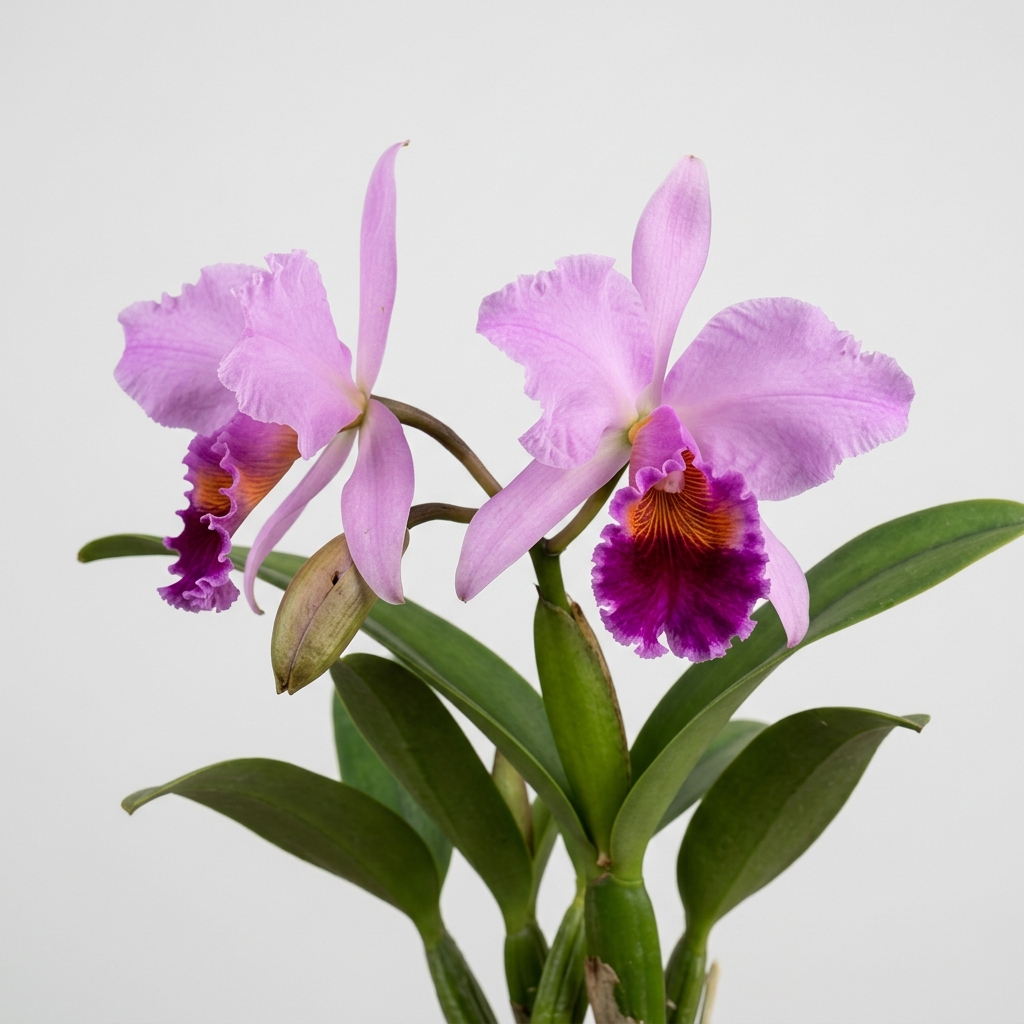
Cattleya percivaliana is a highly prized species orchid within the Cattleya genus, celebrated for its reliable mid-winter blooming cycle and striking floral presentation. Often referred to as the Christmas Cattleya, this compact sympodial epiphyte produces elegant flowers that bring vibrant color to collections when many other orchids remain dormant. Its manageable size and robust growth habit make it an exceptional choice for both intermediate hobbyists and seasoned orchid collectors.
Growers particularly value this orchid for its rich, complex lip coloration and its tendency to produce multiple flowers per inflorescence. While its fragrance is a subject of friendly debate among enthusiasts—often described as spicy or musky—there is no denying its visual appeal. Understanding its specific cultural requirements, from seasonal moisture adjustments to bright light levels, ensures a rewarding display of winter blooms year after year.
💡 Did You Know?
Cattleya percivaliana is affectionately known as the Christmas Cattleya because of its highly reliable habit of blooming in late December. Discovered in Venezuela in the late nineteenth century, it quickly became a seasonal favorite in Victorian glasshouses, prized for delivering vibrant, velvety color during the darkest days of winter.
🌿 Botanical Overview
Cattleya percivaliana is native to the mountainous regions of Venezuela, where it typically grows as an epiphyte or lithophyte on rocky cliffs at elevations ranging from 1,400 to 2,000 meters. This elevation profile gives the plant a slightly higher tolerance for cooler night temperatures compared to some of its lowland Cattleya relatives, making it adaptable to standard home environments.
The plant features club-shaped, slightly compressed pseudobulbs, each topped with a single, leathery, oblong leaf. This compact growth habit allows it to fit comfortably on windowsills or under grow lights, making it highly manageable for indoor cultivation. Its root system is vigorous, producing thick, velamen-covered roots designed to cling to bark or rock faces and absorb moisture rapidly from passing rain showers.
🌸 Flower Characteristics
The blossoms of Cattleya percivaliana are moderately sized, typically measuring between 8 to 12 centimeters in diameter. The sepals and petals are generally a soft lavender-pink to pale rose hue, providing a delicate backdrop for the star of the show: the labellum. The lip is highly frilled and features an incredibly rich, velvety coloration, combining deep crimson-purple with striking veins of golden yellow and burnt orange in the throat.
Flowers are borne on a short, erect inflorescence that emerges from a green sheath at the apex of the mature pseudobulb. A healthy pseudobulb can produce two to four flowers, which are held well above the foliage for an eye-catching presentation. The crystalline texture of the petals catches the light beautifully, enhancing their luminous quality under proper display lighting.
Fragrance & Bloom Profile
The fragrance of Cattleya percivaliana is one of its most defining and discussed attributes. Unlike the sweet, vanilla-like perfume of many other Cattleya species, this orchid produces a unique, spicy, and somewhat musky scent that some growers liken to black pepper, cloves, or myrrh. The scent is typically most pronounced during the morning hours when temperatures begin to rise.
The blooms are relatively long-lasting for a Cattleya species, often remaining pristine for four to six weeks if kept in cool, stable conditions. Because it naturally initiates buds during the autumn as day lengths shorten, it reliably opens its flowers during the holiday season, earning its common moniker among international growers.
Parentage & Hybrid Lineage
As a naturally occurring species rather than a man-made hybrid, Cattleya percivaliana possesses a pure genetic lineage that has been utilized extensively in orchid breeding. It has served as a parent for numerous classic and modern Cattleya hybrids, valued for imparting its compact growth habit, winter-blooming schedule, and intense lip coloration to its offspring.
While several select cultivars and color forms exist—such as the pure white “alba” forms or the semi-alba varieties with white petals and colored lips—the standard lavender-pink form remains the benchmark for the species. In historical literature, its discovery is attributed to Wilhelm Micholitz in the late 19th century, and it was named in honor of RP Percival, an English orchid enthusiast.
🌱 Growing Conditions
To thrive, Cattleya percivaliana requires bright, filtered light. A south- or east-facing window with sheer curtains is ideal, or high-output LED grow lights designed for orchids. The leaves should be a light, grassy green; dark green leaves indicate insufficient light, while yellowing or reddish-purple tinting suggests the light is too intense.
💡 Care Tip
Provide this orchid with bright, filtered , aiming for green leaves. If the foliage turns dark green, it is not receiving enough to produce blooms, while yellowing leaves indicate too much direct sun.
Temperature: wise, this species prefers intermediate conditions. Daytime temperatures should ideally range between 75°F and 85°F (24°C to 29°C), with a night drop to 55°F to 62°F (13°C to 17°C). This diurnal temperature fluctuation is crucial for triggering successful bud development. Maintain moderate humidity levels between 50% and 70%, supported by good air movement to prevent fungal pathogens.
Watering, Feeding & Potting Media
During the active growing season in spring and summer, water the plant thoroughly, allowing the potting medium to dry out almost completely between applications. When watering, flush the pot copiously to wash away accumulated fertilizer salts. In the winter, after blooming, significantly reduce watering frequency, providing just enough moisture to prevent the pseudobulbs from shriveling.
Feed with a balanced, water-soluble orchid fertilizer diluted to quarter or half strength every two weeks during periods of active growth. Use a high-quality, free-draining medium such as medium-to-coarse fir bark mixed with charcoal and perlite. Clay pots are highly recommended as they allow the roots to breathe and dry out evenly.
Blooming Season & Care Notes
The primary blooming season occurs from late November through January. As the new pseudobulb matures in late summer, it will develop a green sheath at its apex. Buds will slowly form inside this sheath during the autumn. During this critical period, avoid moving the plant to a different location with different light or temperature levels, as sudden environmental changes can cause the buds to blast.
Repotting should only be performed when new root growth is initiated, which typically occurs immediately after the winter flowering cycle or in early spring. Avoid disturbing the root system unless the potting medium has begun to decompose or the plant has completely outgrown its container.
⚠️ Common Issues
The following issues are commonly encountered by growers and should be monitored closely:
⚠️ Common Mistake
The most common mistake is overwatering during the winter rest period. After the orchid finishes blooming, its metabolic rate slows down significantly. Excess water at this stage leads to rapid root rot, which can destroy the plant before spring growth begins.
- Root rot: Caused by overwatering or a degraded, compacted potting medium that retains too much moisture.
- Bud blast: Occurs when developing buds inside the sheath turn yellow and die, often triggered by sudden temperature drops, low humidity, or drafts.
- Scale and mealybugs: Common pests that hide in the crevices of the pseudobulb sheaths and under leaves; treat promptly with insecticidal soap or horticultural oil.
- Pseudobulb shriveling: Indicates severe dehydration, either due to underwatering or a loss of functional roots from rot.
❓ Frequently Asked Questions
How do I encourage my Cattleya percivaliana to bloom?
To initiate blooming, ensure the plant receives bright, filtered light throughout the summer and a distinct drop in night temperatures (around 10 to 15 degrees Fahrenheit) during the autumn. Reducing water slightly as the days shorten also mimics its natural habitat and encourages bud development inside the sheath.
Why are the buds on my orchid turning yellow and failing to open?
This phenomenon, known as bud blast, is typically caused by environmental stress. Common culprits include sudden drafts, low humidity levels, extreme temperature fluctuations, or moving the plant to a new location while the buds are actively developing inside the sheath.
What is the best potting medium for Cattleya percivaliana?
A coarse, highly porous medium is essential. A mix of medium-to-coarse fir bark, horticultural charcoal, and perlite works exceptionally well. This combination allows water to drain rapidly and ensures excellent airflow around the thick, air-loving roots.
How often should I water Cattleya percivaliana during the winter?
During its winter rest period, which coincides with and immediately follows its blooming cycle, watering should be significantly reduced. Water only when the pseudobulbs show slight signs of wrinkling, typically once every 10 to 14 days, depending on your home’s humidity.
⭐ Final Growing Notes
Cattleya percivaliana remains a cornerstone species for any serious orchid collection, offering a spectacular and reliable winter display when outdoor gardens are bare. By providing bright light, intermediate temperatures, and a distinct winter rest, growers can enjoy the rich, velvety colors and unique fragrance of the Christmas Cattleya for decades.
🌱 Propagation Tip
Propagate Cattleya percivaliana by division only when the plant has outgrown its pot and has at least six healthy pseudobulbs. Divide the rhizome carefully, ensuring each new division retains at least three active pseudobulbs and a strong lead growth.
⭐ Expert Advice
To achieve spectacular specimen-sized plants, grow Cattleya percivaliana in a clay pot with coarse bark. The clay allows the roots to dry rapidly and evenly, mimicking their natural lithophytic habitat, which encourages a massive, healthy root system over time.




Leave A Comment