

Disa Uniflora, commonly known as the Pride of Table Mountain, is an iconic terrestrial orchid native to the stream banks and wet cliffs of South Africa. Highly prized by specialist growers for its vibrant, intensely colored blooms, this species represents a unique challenge and reward in the orchid-growing community.
Unlike typical epiphytic orchids, this species thrives in cool, constantly moist, and nutrient-poor environments. Its striking floral display, featuring large, hood-like sepals in shades of brilliant scarlet, orange, or pink, makes it a centerpiece of specialized collections, though its exacting cultural requirements demand careful attention.
💡 Did You Know?
Disa Uniflora is known as the Pride of Table Mountain because it grows wild along the streams and wet cliffs of this famous South African landmark. It relies on a single species of butterfly, the mountain pride butterfly, for pollination in the wild. The butterfly is uniquely attracted to the bright red color of the flowers, which is rare among South African orchids.
🌿 Botanical Overview
Disa Uniflora is a deciduous or semi-evergreen terrestrial orchid that spreads via stolons and produces small underground tubers. In its native habitat of the Western Cape, it grows in acidic, nutrient-poor sandstone soils alongside fast-flowing streams and wet rock faces. This unique ecological niche dictates its highly specialized care requirements in cultivation.
The plant produces upright, leafy stems with lanceolate, bright green leaves that form a basal rosette. During the active growing season, the vegetative growth is robust, relying on a continuous supply of cool, oxygen-rich water to sustain its root system. Understanding its native riparian habitat is key to successfully maintaining this species over multiple seasons.
🌸 Flower Characteristics
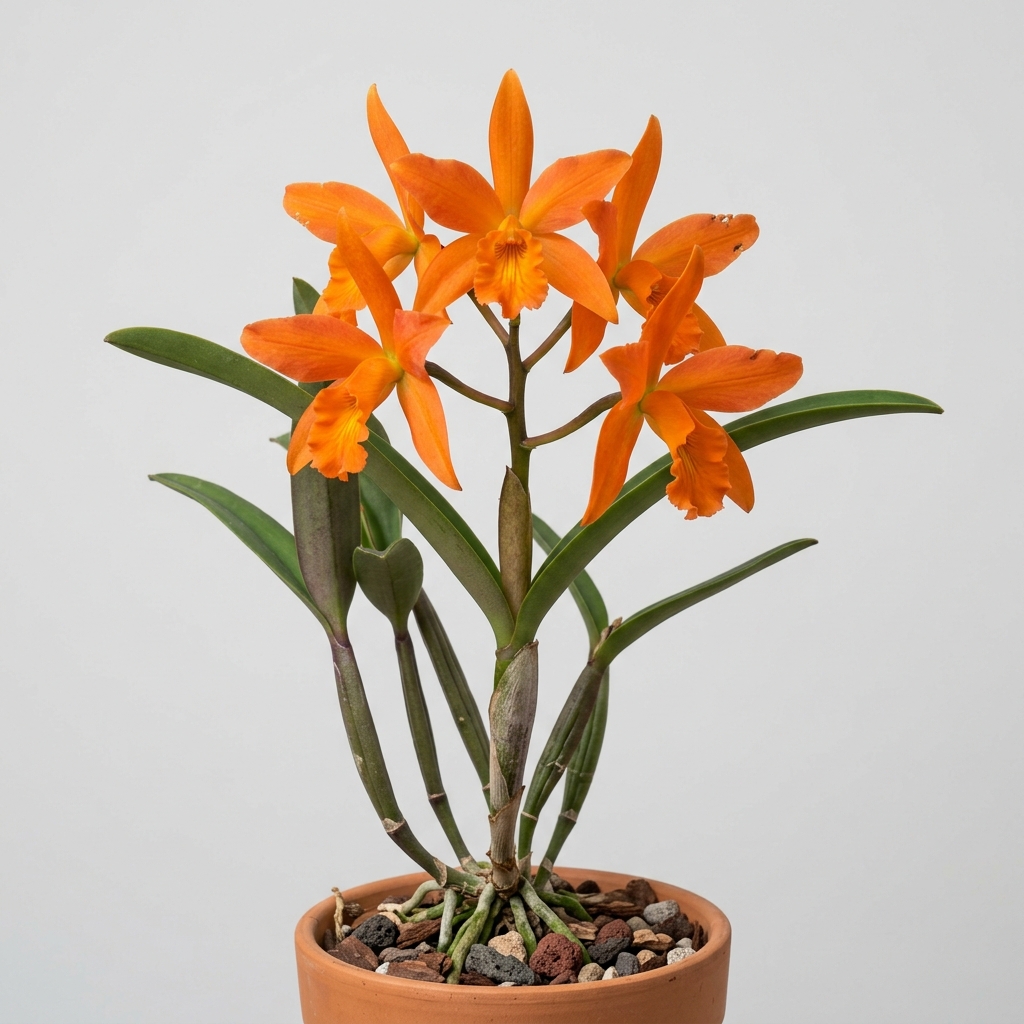
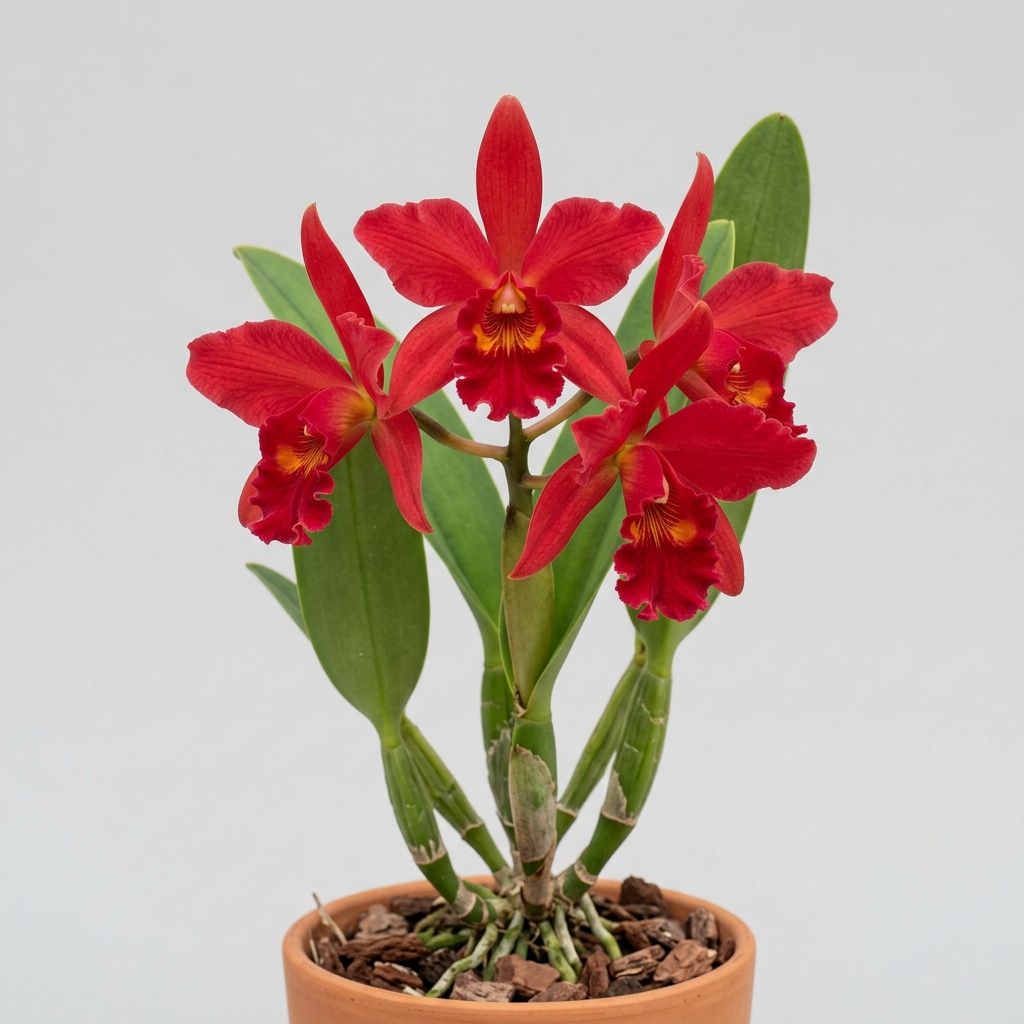
The inflorescence of Disa Uniflora is spectacular, producing one to several large, showy flowers on an upright spike that can reach up to 60 centimeters in height. The flowers are dominated by three large sepals rather than the petals. The dorsal sepal forms a prominent, hood-like structure, often marked with delicate yellow or red veins on the interior, while the two lateral sepals spread widely to showcase the brilliant scarlet or orange coloration.
In contrast to many other orchid genera, the petals and the lip of Disa Uniflora are relatively small and inconspicuous, tucked inside the hooded dorsal sepal. The sheer size of the sepals, which can measure up to 10 centimeters across, creates a dramatic visual impact that has earned the species its legendary status among orchid enthusiasts.
Fragrance & Bloom Profile
While Disa Uniflora is celebrated for its breathtaking visual presentation, it is not known for producing a strong fragrance. Any scent is generally considered faint or non-existent, as the species relies primarily on its vivid coloration to attract its primary pollinator, the mountain pride butterfly.
The blooms are remarkably long-lasting, often remaining fresh on the plant for several weeks if kept in cool, humid conditions. The peak blooming period typically occurs during the mid-to-late summer months, aligning with the flight period of its natural pollinator in the Southern Hemisphere.
Parentage & Hybrid Lineage
As a distinct species rather than a man-made hybrid, Disa Uniflora is the foundational parent for the vast majority of modern Disa hybrids. Its genetic influence is dominant in introducing the intense red and orange pigments, as well as the large flower size, to its progeny.
In horticultural records, crosses involving Disa Uniflora are highly documented, though individual cultivar selections within the species itself may vary in color intensity and ease of culture. When purchasing, growers should note that pure species plants require stricter adherence to cool, wet conditions than some of the more resilient complex hybrids derived from them.
🌱 Growing Conditions
Replicating the cool, breezy, and bright conditions of Table Mountain is essential for the survival of Disa Uniflora. The plant requires bright, indirect light or filtered sunlight; excessive shade will lead to weak growth and poor flowering, while direct, hot midday sun can quickly overheat the foliage and roots.
💡 Care Tip
Always use pure rainwater, distilled water, or reverse osmosis water for your Disa Uniflora. This species is highly sensitive to dissolved minerals and salts found in tap water, which can quickly damage its delicate root system and cause leaf tips to die back.
Temperature control is perhaps the most critical factor. This orchid prefers cool to intermediate conditions, with daytime temperatures ideally remaining below 25 degrees Celsius (77 degrees Fahrenheit) and a distinct drop at night. Excellent air movement is mandatory to prevent stagnant air pockets, which can lead to fungal infections in high-humidity environments.
Watering, Feeding & Potting Media
Unlike epiphytic orchids that require a wet-dry cycle, Disa Uniflora must never be allowed to dry out. The root system must remain constantly moist, mimicking the wet stream banks of its native habitat. However, the water must be extremely pure, such as rainwater, distilled water, or reverse osmosis water, with a very low total dissolved solids count.
The potting medium must be acidic, open, and completely free of heavy nutrients. Popular mixes include a combination of long-fibered sphagnum moss and perlite, or a mix of peat moss, perlite, and coarse silica sand. Fertilization must be extremely sparse and highly diluted; a weak, low-nitrogen fertilizer applied at a fraction of the recommended strength during the active growing season is sufficient, as excessive salts will quickly burn the sensitive roots.
Blooming Season & Care Notes
The primary blooming season occurs in summer, after which the plant enters a brief period of semi-dormancy or slowed growth. During this post-flowering phase, watering should be maintained, but fertilization should be suspended. Old flowering spikes should be cut back to the base once they have completely withered.
Repotting is typically performed annually in late autumn or early winter, just as new vegetative shoots begin to emerge from the base. This timing allows the plant to establish its delicate root system in fresh, clean media before the heat of the following summer.
⚠️ Common Issues
⚠️ Common Mistake
The most common mistake is allowing the potting medium to dry out completely. Unlike epiphytic orchids, Disa Uniflora is a terrestrial wetland plant that requires constant moisture around its roots. Letting the media dry even once can cause irreversible damage to the plant.
- Root rot caused by stagnant, oxygen-deprived water or compacted potting media.
- Leaf spotting and fungal pathogens arising from inadequate air circulation in high-humidity environments.
- Crown rot if water is allowed to sit in the center of the leaf rosette during cool periods.
- Mineral burn on root tips, characterized by blackening and dieback, caused by using tap water or over-fertilizing.
- Pests such as aphids and spider mites, which can target the tender new growth and flower buds.
❓ Frequently Asked Questions
Can I grow Disa Uniflora in standard orchid bark?
No, standard orchid bark is not suitable for Disa Uniflora. This terrestrial species requires a media that retains constant moisture while remaining acidic and low in nutrients, such as a mix of sphagnum moss, peat, and perlite.
What kind of water does Disa Uniflora require?
Disa Uniflora is extremely sensitive to dissolved minerals and salts. You must use pure water, such as rainwater, distilled water, or reverse osmosis water. Standard tap water will quickly damage the root system.
Why are the leaves of my Disa Uniflora turning yellow?
Yellowing leaves can indicate several issues, including heat stress, mineral buildup from improper water, or root rot due to compacted, oxygen-poor media. Ensure the plant is kept cool and watered only with pure water.
How do I propagate Disa Uniflora?
Disa Uniflora is typically propagated by division during the repotting process in late autumn. The plant naturally produces new tubers and stolons, which can be carefully separated from the parent plant once they have developed their own roots.
⭐ Final Growing Notes
Cultivating Disa Uniflora is a highly rewarding endeavor for the dedicated orchid grower willing to meet its specific environmental demands. By prioritizing pure water, cool temperatures, constant moisture, and excellent air circulation, you can successfully replicate the mountain streams of South Africa and enjoy one of the most spectacular floral displays in the botanical world.
⚕️ Health, Safety & Edibility
Understanding how a plant interacts with people, pets, and the surrounding environment is part of responsible cultivation. This section uses conservative, general guidance and does not replace professional medical or veterinary advice.
Human Safety: Species-specific human toxicity data for Disa Uniflora is limited. Use conservative handling practices and avoid intentional consumption.
Pet Safety: Pet-specific safety information for Disa Uniflora is limited, so keep it away from animals that commonly chew plants.
Edibility: Disa Uniflora should not be treated as edible. Ornamental specimens may contain natural irritants or horticultural residues that make them unsuitable for consumption.
Skin Contact: Skin irritation is not well documented for this plant, but gloves are sensible when repotting, pruning, or handling potting media.
🌱 Propagation Tip
Propagate Disa Uniflora by carefully dividing the tubers during the annual repotting process in late autumn. Ensure each division has at least one healthy growth point and a portion of the root system, then pot them immediately into fresh, moist media.
⭐ Expert Advice
To keep your Disa Uniflora thriving long-term, focus on keeping the root zone cool during hot summer days. You can achieve this by using clay pots, which allow for evaporative cooling, or by with chilled, pure water during peak afternoon temperatures.

Leave A Comment