
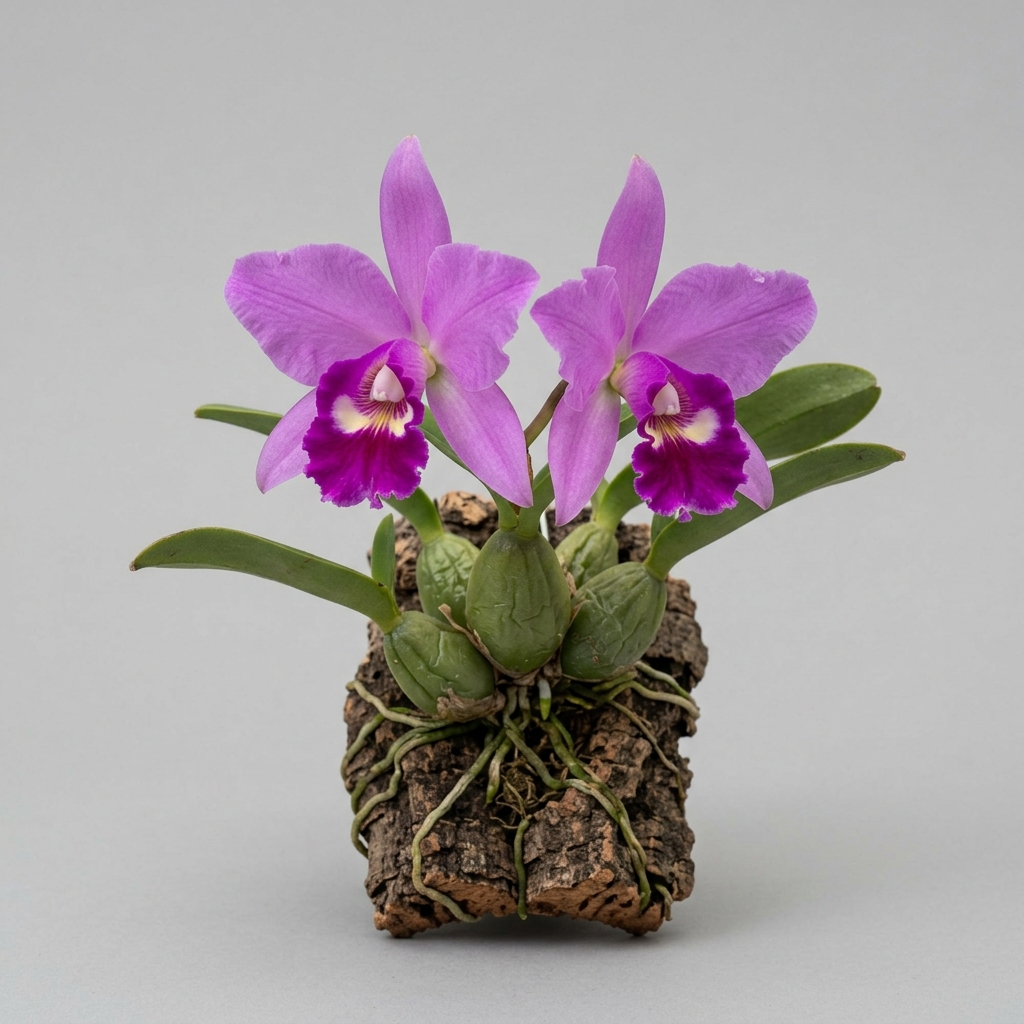
Cattleya Sincorana is a highly prized miniature orchid species celebrated for its remarkably large, vibrant blossoms relative to its diminutive vegetative size. Native to the elevated rocky regions of Brazil, this charming species captures the attention of orchid enthusiasts with its compact growth habit and striking floral display. Growers value it particularly for its ability to produce show-stopping flowers without requiring the extensive bench space of larger Cattleya relatives.
In its natural habitat, this resilient orchid thrives under intense light and experiences distinct seasonal moisture variations. Cultivating Cattleya Sincorana successfully in a home or greenhouse environment requires replicating these conditions, balancing bright light with careful watering practices. For collectors seeking a rewarding miniature orchid with classic Cattleya elegance, this species represents an exceptional addition to any collection.
💡 Did You Know?
In its native Brazilian habitat, Cattleya Sincorana often grows as a rupicolous orchid directly on sandstone cliffs. It endures harsh, baking sun and strong winds, relying on its thick, globose pseudobulbs and leathery leaves to store water during extended dry periods.
🌿 Botanical Overview
Cattleya Sincorana, historically known to many growers as Laelia sincorana, is a miniature rupicolous and epiphytic orchid native to the Serra da Sincora region in Bahia, Brazil. In the wild, it is frequently found growing on sandstone rocks or clinging to the stems of hardy Vellozia shrubs at elevations ranging from 1,100 to 1,500 meters. This high-altitude habitat exposes the plant to intense sunlight, strong winds, and significant temperature fluctuations between day and night.
The growth habit of this species is characterized by small, globose or egg-shaped pseudobulbs that rarely exceed a few centimeters in height. Each pseudobulb is topped by a single, thick, leathery leaf that is deeply channeled and designed to conserve moisture during dry spells. This compact morphology makes the plant exceptionally drought-tolerant and well-suited for mounting or small pot culture.
🌸 Flower Characteristics
The flowers of Cattleya Sincorana are famously disproportionate to the size of the plant, often measuring between 7 and 10 centimeters across. The sepals and petals are typically a striking shade of rose-purple, lavender, or magenta, presenting a flat, open form that stands out. The lip, or labellum, is three-lobed and wraps around the column, featuring a deeper purple coloration with white or yellow markings in the throat.
Flowers emerge from a short inflorescence arising from the apex of the mature pseudobulb, usually bearing one to two blossoms per spike. The sheer size of the blooms against the tiny, hugging leaves creates a dramatic visual contrast that is highly sought after by orchid judges and hobbyists alike.
Fragrance & Bloom Profile
The fragrance of Cattleya Sincorana is often described as mildly sweet, spicy, or floral, though the intensity can vary significantly depending on the individual specimen and environmental conditions. The scent is typically most noticeable during the morning hours when temperatures begin to rise and light levels increase.
A single bloom cycle generally lasts between two to three weeks, provided the plant is kept in a cool, draft-free location away from direct heat sources. While not the longest-lasting orchid bloom, the intensity of the color and the impressive size of the flowers more than compensate for the relatively brief display.
Parentage & Hybrid Lineage
As a true species rather than a man-made hybrid, Cattleya Sincorana possesses a pure genetic lineage shaped by its natural environment. It belongs to the Hadrolaelia section of the genus, which is characterized by miniature growth habits and large flowers.
In hybridizing programs, Cattleya Sincorana has been highly valued for its ability to pass down its compact size and large, colorful flowers to its offspring. It has been crossed with various other Cattleya and Laelia species to create compact, free-flowering hybrids that are easier for casual hobbyists to grow. When purchasing, growers should look for reputable nursery documentation to ensure they are acquiring a true species or a verified hybrid.
🌱 Growing Conditions
To cultivate Cattleya Sincorana successfully, growers must provide bright, high-intensity light. In a greenhouse setting, this orchid can tolerate light levels similar to those required by standard Cattleyas, often requiring 3,000 to 4,000 foot-candles. If grown indoors, a south-facing window with light sheer curtains or high-output LED grow lights is highly recommended to prevent the plant from becoming leggy and failing to bloom.
💡 Care Tip
Provide strong air movement around your Cattleya Sincorana, especially if you grow it mounted. Excellent ventilation mimics its windy mountain home, helping the roots dry rapidly and preventing fungal infections on the leaves.
Temperature management is equally critical. This species prefers intermediate to warm daytime temperatures ranging from 75°F to 85°F (24°C to 29°C), coupled with a distinct drop at night to 55°F to 60°F (13°C to 16°C). This diurnal temperature drop mimics its native mountain habitat and is essential for triggering bud initiation. Good air movement is vital at all times to prevent stagnant air from encouraging fungal pathogens.
Watering, Feeding & Potting Media
Watering practices must align with the plant’s seasonal growth cycle. During the active growing season in spring and summer, Cattleya Sincorana should be watered thoroughly and then allowed to dry out almost completely before the next application. In the winter, the plant enters a semi-dormant state and requires a strict dry rest, during which watering should be reduced to occasional misting to prevent the pseudobulbs from shriveling excessively.
Because of its rupicolous nature, this orchid requires extremely free-draining media. It is commonly grown mounted on cork bark or tree fern plaques, which allows the roots to dry rapidly after watering. If pot culture is preferred, use small clay pots filled with coarse fir bark, charcoal, and perlite, or inorganic media like lava rock. Feed with a diluted, balanced orchid fertilizer weekly during the active growing season, and suspend feeding entirely during the winter rest.
Blooming Season & Care Notes
Cattleya Sincorana typically initiates its blooming cycle in late spring or early summer, shortly after the new growth matures. The flower buds develop within the protection of the emerging leaf before pushing upward. During this period, avoid shifting the plant’s orientation to the light source, as this can cause the buds to twist or develop unevenly.
Once the flowers fade, the inflorescence should be carefully snipped near the base of the leaf using sterilized cutting tools. Repotting or remounting is best performed immediately after flowering, just as new root tips begin to emerge from the base of the newest pseudobulb. This ensures the plant establishes quickly in its new medium with minimal transplant shock.
⚠️ Common Issues
⚠️ Common Mistake
The most common mistake is overwatering during the winter rest. Keeping the media constantly wet when the plant is inactive will quickly rot the roots, leading to the decline and eventual loss of the orchid before spring arrives.
- Root Rot:
Caused by overwatering or compacted, poorly draining media. Roots must dry quickly to remain healthy. - Dehydration:
Shriveled pseudobulbs and wrinkled leaves indicate insufficient moisture, often during the active growing season or from an overly prolonged winter rest. - Bud Blast:
Sudden drops in humidity, extreme temperature fluctuations, or chemical exposure can cause developing buds to yellow and drop before opening. - Scale and Mealybugs: These common pests can hide in the tight crevices of the globose pseudobulbs and under the dry sheaths. Treat promptly with insecticidal soap or horticultural oil.
- Fungal Leaf Spotting: Occurs when water sits on the foliage overnight in conditions with poor air circulation.
❓ Frequently Asked Questions
How do I know if my Cattleya Sincorana is getting enough light?
The leaf color is the best indicator of light levels. Healthy leaves should be a light, grassy green with a slight reddish or purple tint along the margins. Deep green leaves suggest the light is too low, which will likely prevent blooming, while yellow or bleached leaves indicate excessive, damaging direct sunlight.
Can Cattleya Sincorana be grown successfully under LED lights?
Yes, this miniature orchid is an excellent candidate for indoor LED growing due to its compact size. Ensure you use high-output, full-spectrum LED fixtures positioned close enough to the plant to provide the high light intensity it craves, while monitoring to ensure the heat from the fixture does not dry out the plant too quickly.
Why are the pseudobulbs on my orchid shriveling?
Slight shriveling of the pseudobulbs is normal during the winter dry rest. However, severe shriveling during the active spring and summer growing season usually indicates either underwatering or root loss due to rot. Inspect the root system; if the roots are brown and mushy, the plant cannot absorb water, leading to dehydration.
How long should the winter dry rest last for this species?
The dry rest typically begins in late autumn and lasts until new growth and root tips emerge in early spring. During this time, water should be severely restricted, providing only enough moisture via light misting to keep the pseudobulbs from completely collapsing. Suspend all fertilizing during this period.
⭐ Final Growing Notes
Cattleya Sincorana is a captivating miniature orchid that rewards the attentive grower with spectacular, oversized blossoms. By respecting its natural cycle of bright light, rapid drainage, and a distinct winter dry rest, you can enjoy the vibrant beauty of this Brazilian gem year after year. Its compact footprint makes it a perfect choice for space-conscious collectors who refuse to compromise on floral impact.
⚕️ Health, Safety & Edibility
Understanding how a plant interacts with people, pets, and the surrounding environment is part of responsible cultivation. This section uses conservative, general guidance and does not replace professional medical or veterinary advice.
Human Safety: No published evidence currently identifies species-specific toxicity concerns for Cattleya Sincorana during normal handling. As with most ornamental plants, it should not be intentionally consumed.
Pet Safety: Published information does not indicate that this orchid commonly poses a toxicity concern for cats or dogs. However, chewing leaves, flowers, roots, or potting media may still cause mild digestive upset.
Edibility: This orchid is cultivated for ornamental display rather than food. Ornamental plants may carry fertilizers, pesticides, or other horticultural treatments that make them unsuitable for consumption.
Skin Contact: Routine handling is not generally associated with skin irritation. Gardeners with sensitive skin may prefer wearing gloves when repotting, pruning, or handling potting media.
🌱 Propagation Tip
Propagate this orchid by division only when the plant has at least six to eight healthy pseudobulbs. Carefully divide the rhizome with a sterile blade, ensuring each new division has at least three mature pseudobulbs and active root growth.
⭐ Expert Advice
To trigger reliable blooming, ensure your Cattleya Sincorana experiences a distinct drop of 15 to 20 degrees Fahrenheit between day and night during the autumn and winter months, combined with high levels.

Leave A Comment