

Encyclia Adenocaula is a highly prized orchid species native to the dry oak forests of Mexico, celebrated for its elegant growth habit and striking floral display. This epiphytic orchid features distinctive, pear-shaped pseudobulbs that produce slender, grass-like leaves, creating a neat and compact vegetative profile. During its blooming season, it sends up long, branching inflorescences adorned with numerous delicate, star-shaped blossoms that range in color from soft rose-pink to vibrant magenta.
Orchid enthusiasts particularly value this species for its resilience, intermediate temperature tolerance, and the fascinating contrast between its rugged, textured flower spikes and its delicate, pastel-toned petals. Whether grown in a pot or mounted on cork bark, it makes a spectacular addition to any intermediate orchid collection, offering a reliable and showy display of long-lasting flowers each year.
💡 Did You Know?
The specific epithet adenocaula translates to glandular stem, referencing the unique, sandpaper-like texture of its flower spikes. These rough stems are covered in tiny glands that often exude microscopic droplets of sweet nectar, a natural adaptation that attracts specific pollinators in its native Mexican oak forests.
🌿 Botanical Overview
Encyclia Adenocaula is characterized by its clustered, ovoid to pear-shaped pseudobulbs, which serve as water-storage organs during dry spells. Each pseudobulb is topped by two or three narrow, leathery, strap-like leaves that remain evergreen under proper care. The plant’s growth habit is compact, making it an excellent choice for growers with limited space who still want a dramatic floral presentation.
The most distinctive botanical feature of this orchid is its inflorescence. The flower spike is covered in tiny, rough, glandular structures, giving it a sandpaper-like texture. This rough stem is a key diagnostic feature of the species and is the source of its specific epithet, which refers to these glandular stems. The spike can grow quite long, often branching to support dozens of flowers on mature specimens.
🌸 Flower Characteristics
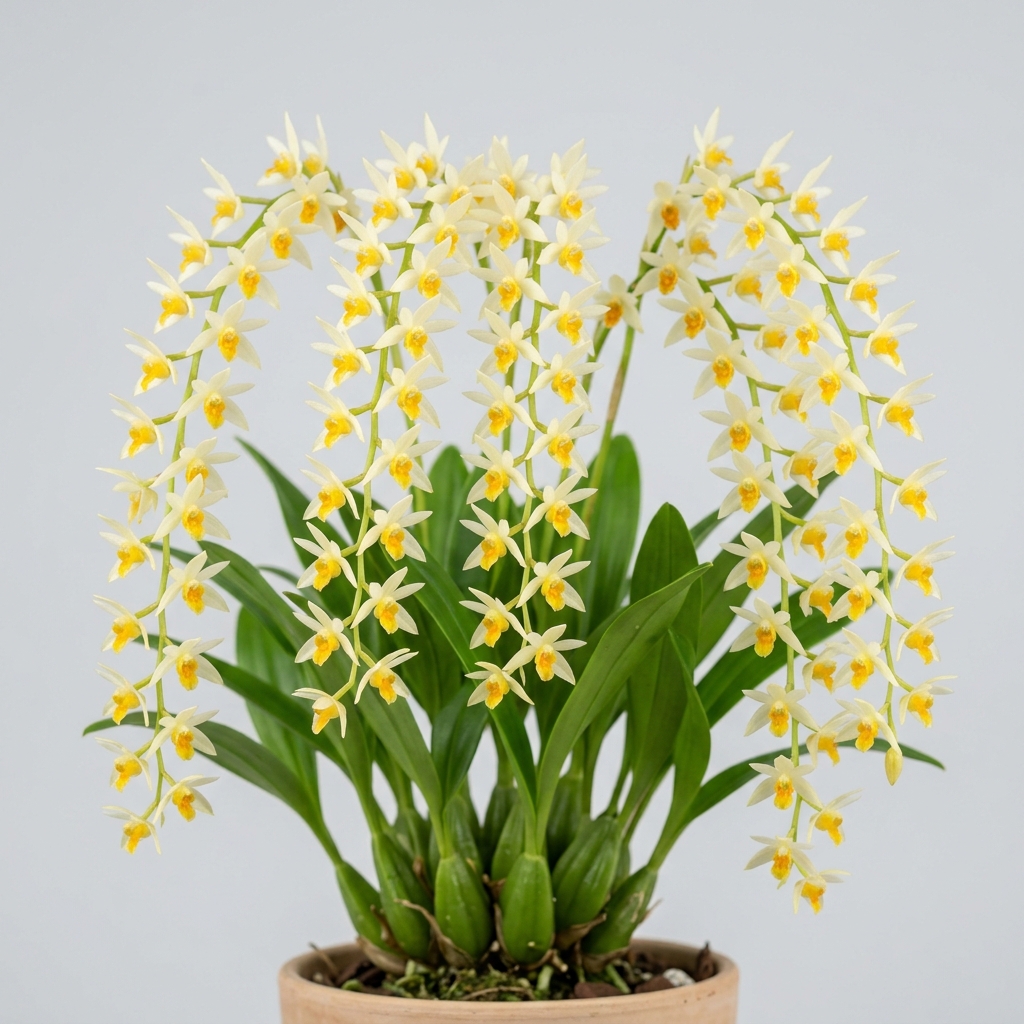
The flowers of Encyclia Adenocaula are star-shaped and elegant, typically measuring between 5 to 7 centimeters in diameter. The sepals and petals are narrow, spreading, and gracefully tapered, displaying shades of pale rose-pink to rich magenta. This uniform coloration is beautifully contrasted by the prominent, three-lobed lip, which often features darker pink veining and a white or pale yellow center.
The blooms are arranged in a loose, airy panicle, allowing each individual flower to be displayed clearly without crowding. The long, arching spikes hold the flowers well above the foliage, creating a cloud-like effect of pink blossoms that can last for several weeks on the plant.
Fragrance & Bloom Profile
This orchid is highly regarded for its delightful fragrance, which is most pronounced during warm, sunny days. The scent is sweet and floral, often described as having hints of honey or light citrus. It is a daytime-active fragrance, designed to attract natural pollinators in its native habitat, and can easily fill a small grow room or greenhouse with a pleasant aroma.
The blooming cycle typically begins in late spring and extends into mid-summer. Because the flowers open sequentially along the branching spike, the overall bloom display is prolonged, often lasting up to six weeks. The durability of the flowers makes them excellent for exhibition and home enjoyment alike.
Parentage & Hybrid Lineage
Encyclia Adenocaula is a naturally occurring species rather than a man-made hybrid. It is native to the dry, mountainous oak forests of Mexico, where it grows epiphytically on tree trunks and branches at moderate elevations. Because it is a true species, its characteristics are stable and passed down directly through seed propagation.
In the horticultural world, select line-bred cultivars of this species have been developed to enhance desirable traits such as flower size, color intensity, and compact growth. It has also been used as a parent in various intergeneric and intrageneric hybrids, contributing its star-like flower shape, pink coloration, and robust growth habit to new generations of cultivated orchids.
🌱 Growing Conditions
To grow Encyclia Adenocaula successfully, it is important to replicate its native mountain forest environment. It requires bright, indirect light to thrive and bloom. A location that receives strong morning sun with filtered afternoon light, similar to conditions preferred by Cattleyas, is ideal. If the leaves turn a light lime-green, the light level is correct; dark green leaves indicate insufficient light, while yellowing or red-tinted leaves suggest too much sun.
💡 Care Tip
To mimic its natural habitat, provide a distinct winter rest period. From late autumn to early spring, reduce frequency significantly, allowing the potting medium to dry out thoroughly. Only mist or water lightly to prevent excessive pseudobulb shriveling, and withhold fertilizer entirely until new growth emerges in spring.
Temperature: wise, this orchid prefers intermediate to warm conditions. Ideal daytime temperatures range from 70 degrees Fahrenheit to 85 degrees Fahrenheit, with a night-time drop to around 60 degrees Fahrenheit to 65 degrees Fahrenheit. This temperature drop is crucial for triggering the development of flower spikes. High humidity of 50% to 70% is beneficial, but it must be accompanied by strong, constant air movement to prevent stagnant air from causing fungal or bacterial leaf spots.
Watering, Feeding & Potting Media
Encyclia Adenocaula requires a distinct wet-dry cycle. The roots must dry out rapidly and completely between waterings. During the active spring and summer growing season, water the plant thoroughly, then allow the potting medium to dry out entirely before watering again. In the winter, when the plant enters a semi-dormant resting phase, reduce watering significantly, providing just enough moisture to prevent the pseudobulbs from shriveling excessively.
Feed the orchid weekly during the active growing season with a weak solution of balanced orchid fertilizer, often referred to as the weekly-weakly method. Flush the pot with pure water once a month to prevent fertilizer salts from building up in the medium. The potting medium must be exceptionally free-draining; a coarse mix of fir bark, charcoal, and perlite works well. Alternatively, because of its epiphytic nature, this orchid performs exceptionally well when mounted on cork bark or hardwood plaques, provided the grower can maintain adequate humidity and water the mount frequently.
Blooming Season & Care Notes
The primary blooming season occurs from May through July. As the new growth matures in early spring, the flower spike will begin to emerge from the center of the developing pseudobulb. During this time, keep environmental conditions stable to prevent bud drop. Avoid moving the plant to a new location with different light or temperature levels while the buds are forming.
Once the flowers fade, the old flower spike can be cut back to the base of the pseudobulb. Repotting should only be done when new root growth is visible at the base of the newest pseudobulbs, which typically occurs in late spring or early summer just after the blooming cycle finishes. Use a pot that allows for two to three years of new growth, as Encyclia orchids dislike having their roots disturbed frequently.
⚠️ Common Issues
⚠️ Common Mistake
The most common mistake is keeping the potting medium constantly damp. Unlike some terrestrial orchids, this epiphyte requires its roots to dry rapidly after . Using fine, water-retentive soil or overwatering in glazed ceramic pots will quickly lead to root rot and the decline of the plant.
- Root Rot:
Caused by overwatering or using a compacted, broken-down potting medium that retains too much moisture around the roots. - Bud Blast:
The sudden drying and dropping of flower buds, often triggered by low humidity, drafty conditions, or sudden temperature fluctuations. - Scale and Mealybugs: Common pests that tend to hide under the dry, papery sheaths surrounding the pseudobulbs; check these areas regularly.
- Shriveled Pseudobulbs: A sign of water stress, which can be caused by either underwatering or root loss due to overwatering.
❓ Frequently Asked Questions
Why are the flower spikes of my Encyclia Adenocaula rough and sticky?
This is a natural botanical feature of the species. The species name adenocaula refers to the glandular, rough texture of the inflorescence stem. These glands often secrete tiny droplets of sweet nectar that can feel sticky to the touch, which is completely normal and healthy.
How often should I water my mounted Encyclia Adenocaula?
Mounted specimens dry out much faster than potted ones. During the hot summer growing season, they may require daily watering or misting. In the winter, reduce watering to once or twice a week, depending on your indoor humidity levels.
Can Encyclia Adenocaula be grown under LED grow lights?
Yes, it adapts well to indoor cultivation under high-output LED grow lights. Position the plant close enough to the light source to receive bright, indirect light levels, and ensure adequate fan-driven airflow to prevent heat buildup on the leaves.
What should I do if the pseudobulbs start to shrivel?
First, check the root system. If the roots are mushy and brown, the plant has been overwatered and lost its roots, preventing it from absorbing water. If the roots are healthy, firm, and white, the plant simply requires more frequent watering.
⭐ Final Growing Notes
Encyclia Adenocaula is a rewarding and visually stunning orchid that brings a touch of natural elegance to any collection. By providing it with bright light, excellent air circulation, and a strict wet-dry watering cycle, growers can enjoy its spectacular, fragrant pink blooms year after year. Its unique textured spikes and resilient nature make it a classic favorite among intermediate orchid hobbyists.
⚕️ Health, Safety & Edibility
Understanding how a plant interacts with people, pets, and the surrounding environment is part of responsible cultivation. This section uses conservative, general guidance and does not replace professional medical or veterinary advice.
Human Safety: No published evidence currently identifies species-specific toxicity concerns for Encyclia Adenocaula during normal handling. As with most ornamental plants, it should not be intentionally consumed.
Pet Safety: Published information does not indicate that this orchid commonly poses a toxicity concern for cats or dogs. However, chewing leaves, flowers, roots, or potting media may still cause mild digestive upset.
Edibility: This orchid is cultivated for ornamental display rather than food. Ornamental plants may carry fertilizers, pesticides, or other horticultural treatments that make them unsuitable for consumption.
Skin Contact: Routine handling is not generally associated with skin irritation. Gardeners with sensitive skin may prefer wearing gloves when repotting, pruning, or handling potting media.
🌱 Propagation Tip
Propagation is most reliably achieved through division of mature specimens during repotting. Ensure each division has at least three to four healthy, mature pseudobulbs with active root initials. Avoid dividing small plants, as larger clumps establish much faster and produce more robust flower spikes.
⭐ Expert Advice
If you struggle with root rot in pots, try mounting this orchid on a rough cork bark plaque. Mounted cultivation allows the roots to breathe and dry out naturally, closely mimicking its wild epiphytic growth habit. Just ensure you increase ambient and frequency to compensate for the rapid drying.

Leave A Comment