

Epidendrum Secundum, commonly known as the reed-stem Epidendrum, is a highly resilient and popular orchid species prized for its vibrant, ball-like clusters of long-lasting flowers. Native to the neotropics, this robust orchid is favored by both novice and experienced growers due to its forgiving nature and near-constant blooming habit. Its tall, cane-like pseudobulbs and bright blossoms make it a striking addition to any indoor or outdoor orchid collection.
Unlike many delicate orchid varieties, this species thrives in bright light and can tolerate a wider range of environmental conditions. Its ability to produce numerous aerial roots and offshoots, known as keikis, allows growers to easily expand their collection or share plants with fellow enthusiasts. Whether grown in pots, mounted on slabs, or planted in warm-climate landscapes, it remains a cornerstone of easy-care orchid cultivation.
💡 Did You Know?
The common name reed-stem orchid perfectly describes the growth habit of Epidendrum Secundum. Unlike many orchids that rely on thick, bulbous pseudobulbs to store water, this species utilizes its tall, slender, cane-like stems. These tough, fibrous canes allow the plant to withstand drier conditions and support massive clusters of colorful flowers high above the surrounding foliage.
🌿 Botanical Overview
Epidendrum Secundum belongs to the vast genus Epidendrum, which is celebrated for its diverse growth habits and structural variation. This specific species is characterized by its reed-like stems, which function as pseudobulbs to store water and nutrients. These canes can grow quite tall, sometimes reaching several feet in height under optimal conditions, clothed in alternating, leathery leaves that remain green year-round.
The root system of this orchid is exceptionally vigorous, producing numerous thick, white aerial roots covered in velamen. These roots emerge not only from the base of the plant but also along the canes, helping the plant absorb moisture and nutrients from the air. This growth habit reflects its natural epiphytic and lithophytic lifestyle in Central and South America, where it clings to trees, rocks, or sandy soils.
🌸 Flower Characteristics
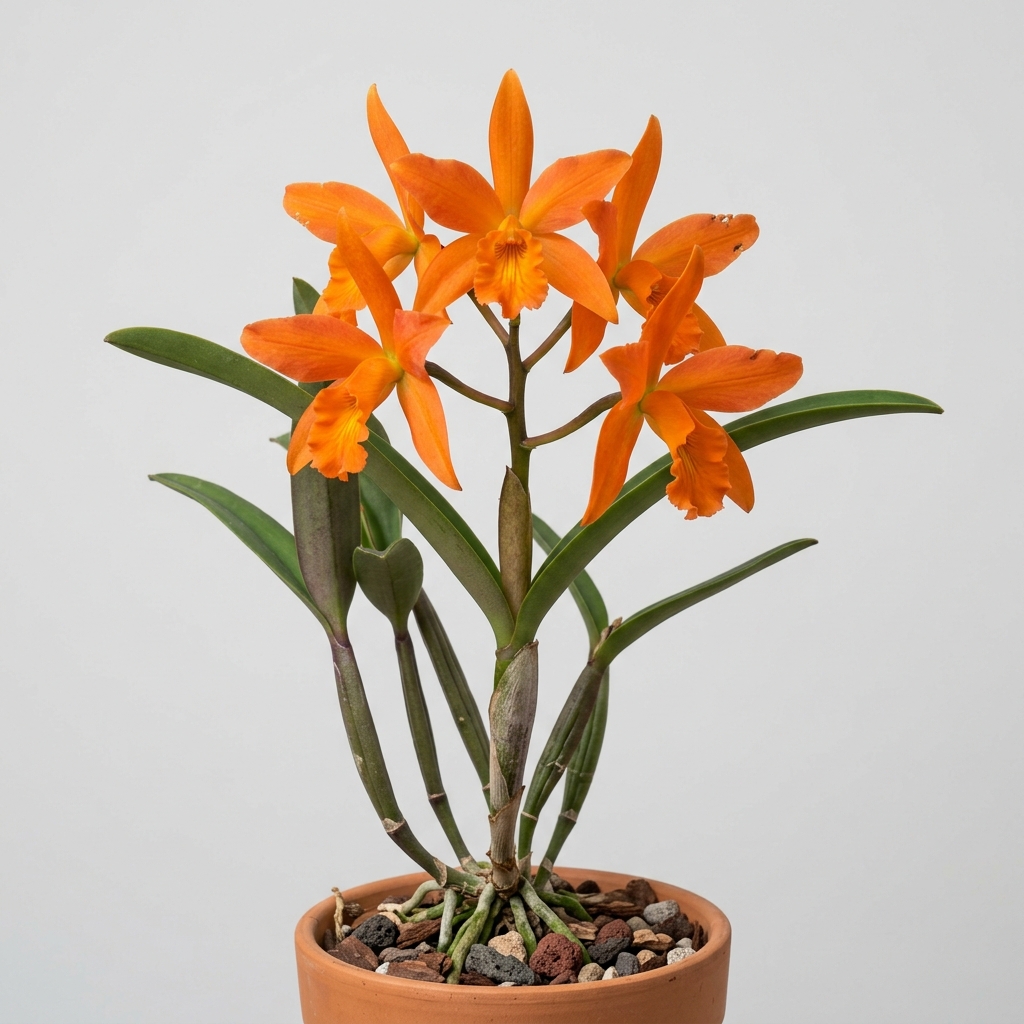
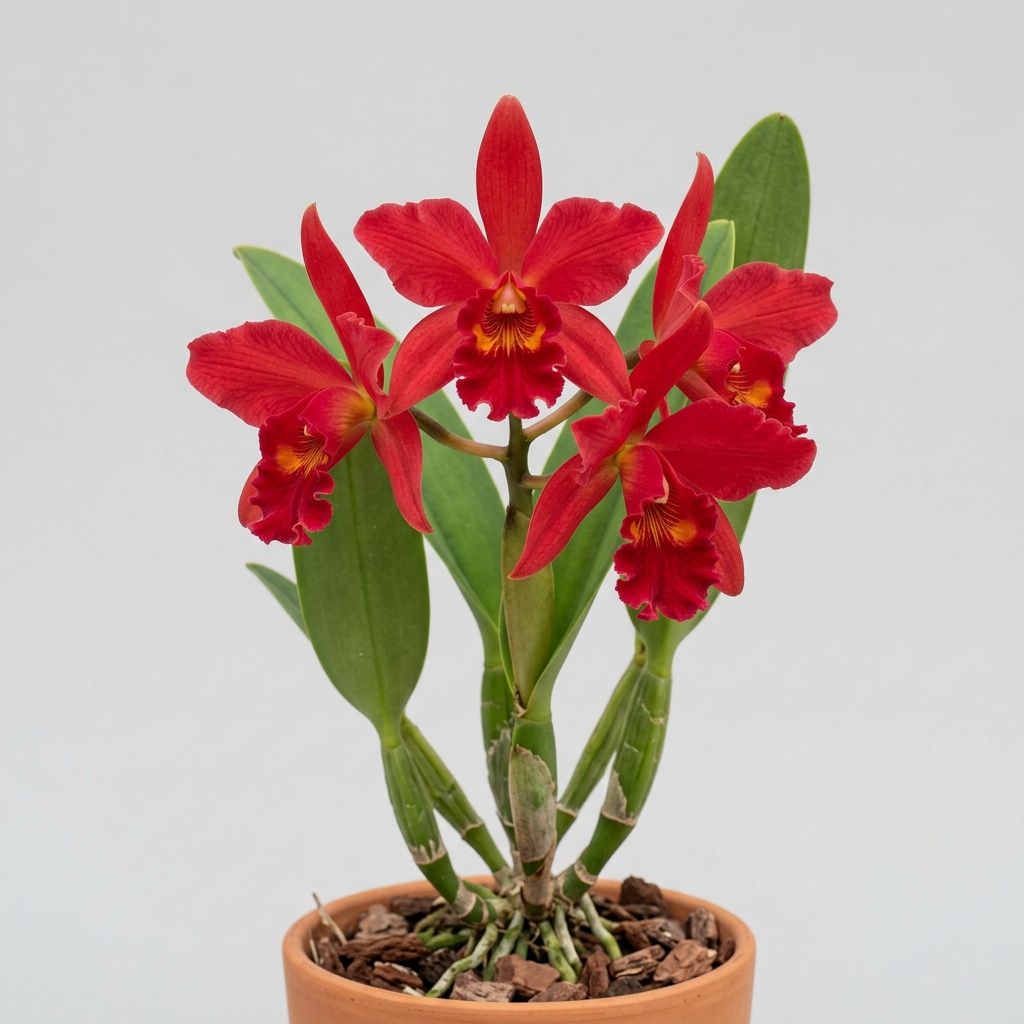
The flowers of Epidendrum Secundum are relatively small but make a dramatic impact due to their dense, head-like clusters, known as umbel-like racemes, which form at the tips of long, wiry flower spikes. Each individual blossom features spreading sepals and petals, with a prominent, deeply lobed lip or labellum that is fringed or ruffled. The lip typically features a yellow or white callus near the center, creating a beautiful contrast with the primary petal color.
Coloration is highly variable within this species complex, ranging from soft pastel pinks and lavenders to intense reds, oranges, and bright yellows. The flowers open sequentially from the bottom of the cluster upward, ensuring that the inflorescence remains attractive and colorful for several weeks or even months at a time.
Fragrance & Bloom Profile
While some members of the Epidendrum genus are known for intense perfumes, the fragrance profile of Epidendrum Secundum is generally considered mild or entirely absent. When present, the scent is typically described as a faint, clean, or slightly sweet aroma that is most noticeable during the warmest hours of the day.
Because fragrance can vary significantly depending on the specific clone, light levels, and humidity, growers should not select this orchid solely for its scent. Instead, its primary appeal lies in the sheer longevity of its blooms and the continuous production of new flower spikes throughout the year.
Parentage & Hybrid Lineage
As a naturally occurring species rather than a man-made hybrid, Epidendrum Secundum possesses a complex taxonomic history. It is part of a group of closely related reed-stem species often referred to as the Epidendrum Secundum complex, which frequently hybridize in nature and in cultivation. Consequently, many plants sold under this name may exhibit slight variations in growth habit and flower form.
In hybridizing programs, this species has been used to introduce vigor, warmth tolerance, and bright color palettes to modern Epidendrum hybrids. Because exact parentage and registration details for individual nursery selections are often not consistently documented in common grower references, they are best enjoyed for their robust growth rather than strict pedigree.
🌱 Growing Conditions
To achieve optimal growth and abundant flowering, Epidendrum Secundum requires bright, filtered light. It can tolerate some direct morning sunlight, which helps stimulate flower production, but should be protected from intense, scorching midday sun. If the leaves develop a slight reddish or purple tint, it generally indicates the plant is receiving the maximum acceptable amount of light.
💡 Care Tip
To keep your orchid looking its best, provide strong, filtered and high . If you notice the leaves turning a deep, dark green, the plant needs more to bloom. A healthy level will often produce a slight, attractive reddish tint on the edges of the leaves.
Temperature: wise, this orchid is highly adaptable, thriving in intermediate to warm conditions. Ideal daytime temperatures range from 70°F to 85°F, with a slight drop at night to stimulate blooming. It prefers moderate humidity levels between 50% and 70%, coupled with excellent air circulation to prevent stagnant moisture from settling on the foliage.
Watering, Feeding & Potting Media
Watering should be frequent enough to keep the potting medium slightly damp but never waterlogged. During the active growing season in spring and summer, water the plant thoroughly, allowing excess water to drain freely from the pot. In the winter months, reduce watering slightly, allowing the medium to dry out more between applications.
A balanced, water-soluble orchid fertilizer applied at quarter or half strength every two weeks is ideal during active growth. For potting media, a coarse, well-draining mixture of fir bark, perlite, and charcoal works exceptionally well. Because of their semi-terrestrial tendencies, some growers also succeed using a highly porous peat-based mix, provided drainage is immaculate.
Blooming Season & Care Notes
Epidendrum Secundum is an opportunistic bloomer, meaning it can produce flowers at almost any time of the year, though peak activity typically occurs from late spring through autumn. Once a flower spike has finished blooming, do not rush to cut it back unless it has completely turned brown and dry, as old spikes can occasionally produce secondary branches or new plantlets.
Repotting is best performed in the spring when new root growth is visible at the base of the canes. Choose a pot that allows for one to two years of growth, and take care not to bury the aerial roots too deeply, as they require access to air to remain healthy.
⚠️ Common Issues
⚠️ Common Mistake
A frequent error is cutting down old, leafless canes too quickly. Even when a cane looks bare, it still serves as a vital energy reservoir for the orchid, storing water and nutrients that support new growth and future flower spikes at the base.
- Root Rot: Caused by overwatering or compacted, poorly draining potting media.
- Bud Blast: Sudden dropping of flower buds, often triggered by low humidity, drafty conditions, or extreme temperature fluctuations.
- Pests: Scale, mealybugs, and spider mites can occasionally colonize the dense leaf joints and flower clusters.
- Dehydration: Shriveled canes and wrinkled leaves indicate insufficient watering or a compromised root system.
- Leaf Spotting: Fungal or bacterial spots can develop if water is allowed to sit on the foliage overnight without adequate airflow.
❓ Frequently Asked Questions
How do I propagate Epidendrum Secundum?
This orchid is easily propagated by removing and potting keikis, which are baby plants that naturally form along the mature canes. Wait until the keiki has developed several healthy roots at least two inches long before gently detaching it and potting it in a small, well-draining orchid mix.
Why is my Epidendrum Secundum not blooming?
The most common reason for a lack of flowers is insufficient light. If your plant is growing lush, dark green leaves but failing to produce spikes, gradually move it to a brighter location with more indirect sunlight to stimulate bud development.
Should I cut back the tall canes after they finish flowering?
No, do not cut back healthy green canes, even if they have lost their leaves or finished blooming. These canes continue to store water and nutrients for the plant and may produce new flower spikes, branches, or keikis in the future.
Can Epidendrum Secundum be grown outdoors?
Yes, in frost-free climates, this orchid can be grown outdoors year-round. It can be planted in well-draining garden beds, mounted on trees, or kept in pots on patios, provided it is protected from freezing temperatures.
⭐ Final Growing Notes
Epidendrum Secundum remains one of the most rewarding and forgiving orchids for growers of all experience levels. Its cheerful, long-lasting flower clusters, combined with an incredibly resilient growth habit, make it an excellent choice for those looking to expand beyond traditional moth orchids. By providing bright light, regular watering, and adequate airflow, you can enjoy the vibrant colors of this classic reed-stem orchid for years to come.
⚕️ Health, Safety & Edibility
Understanding how a plant interacts with people, pets, and the surrounding environment is part of responsible cultivation. This section uses conservative, general guidance and does not replace professional medical or veterinary advice.
Human Safety: No published evidence currently identifies species-specific toxicity concerns for Epidendrum Secundum during normal handling. As with most ornamental plants, it should not be intentionally consumed.
Pet Safety: Published information does not indicate that this orchid commonly poses a toxicity concern for cats or dogs. However, chewing leaves, flowers, roots, or potting media may still cause mild digestive upset.
Edibility: This orchid is cultivated for ornamental display rather than food. Ornamental plants may carry fertilizers, pesticides, or other horticultural treatments that make them unsuitable for consumption.
Skin Contact: Routine handling is not generally associated with skin irritation. Gardeners with sensitive skin may prefer wearing gloves when repotting, pruning, or handling potting media.
🌱 Propagation Tip
Propagation is simple thanks to the plant's natural habit of producing keikis, or baby orchids, along its canes. Once a keiki develops several roots that are at least two inches long, carefully twist or cut it away from the parent stem and pot it in a fine bark mix.
⭐ Expert Advice
For maximum flower production, try growing this orchid in a clay pot with a coarse bark and charcoal mix. The porous clay allows the roots to breathe and dry out evenly, mimicking their natural epiphytic environment and reducing the risk of root rot.

Leave A Comment